

Bird Walk at Changaram Wetlands, Alapuzha, Kerala
- Alapuzha
- 12 April, 2026
- Rs 250/- per head
- Fee collected goes entirely to the bird guide. Ataavi does not retain or profit from this amount.
About Changaram Wetlands
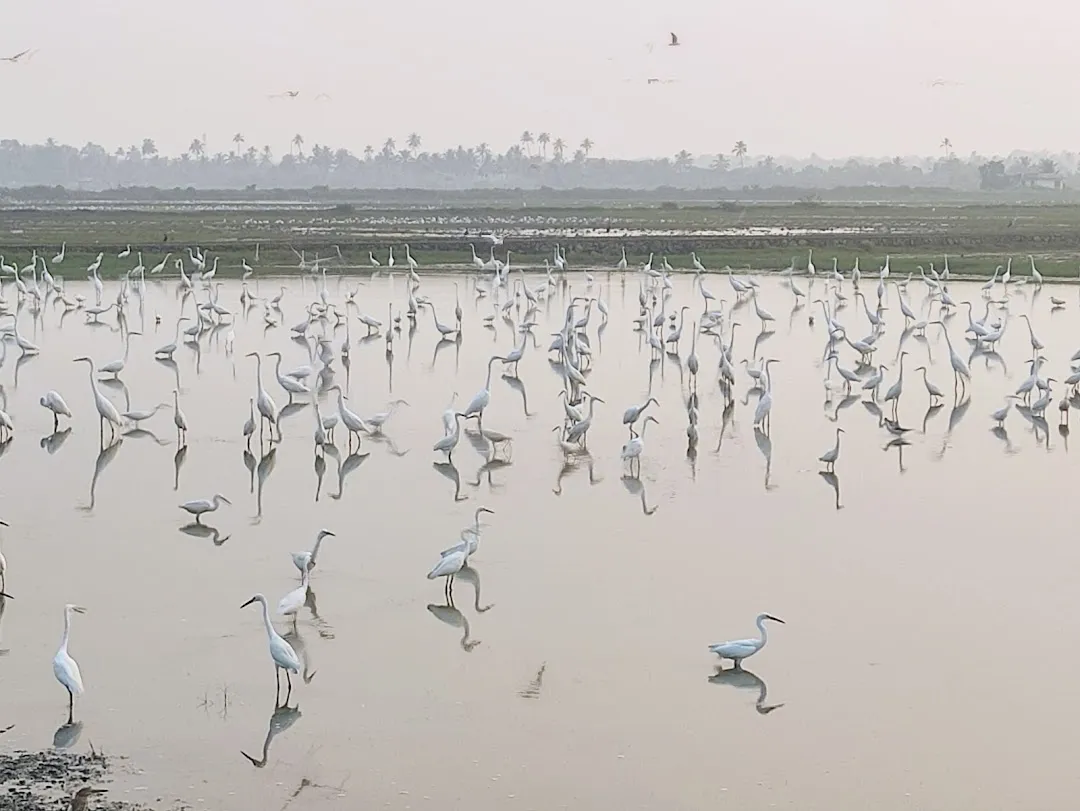
Changaram Wetlands are part of the intricate backwater ecosystem of Alappuzha district in Kerala, embedded within the larger Vembanad-Kol wetland landscape. Characterized by a network of shallow water bodies, paddy fields, canals, and marshes, these wetlands play a crucial role in sustaining local hydrology and livelihoods. Seasonal flooding and water level fluctuations shape the habitat, supporting traditional paddy cultivation systems such as the below-sea-level farming unique to this region. The wetlands also act as natural buffers against floods, help in groundwater recharge, and maintain nutrient cycling, making them ecologically and economically significant.
Changaram Wetlands are rich in biodiversity, especially avifauna, attracting a variety of resident and migratory waterbirds. Species such as egrets, herons, cormorants, kingfishers, and ducks are commonly observed, while migratory waders use the area as a feeding and resting ground during winter. The mosaic of aquatic vegetation, open water, and agricultural patches supports fish, amphibians, and invertebrates, forming a productive food web. The wetlands also provide habitat for reptiles and small mammals, contributing to overall ecological balance. Their scenic landscape combined with high bird activity makes Changaram an important yet relatively lesser-known site for birdwatching and wetland conservation in Kerala.
Partnered with

Bird Guide - Syam Sukumaran
He is an experienced bird guide with over 10 years of birdwatching and photography, specialising in wetland birds and with strong expertise in raptors. A regular traveller across the green landscapes of South India, he brings solid regional knowledge and an engaging, field-based approach to birding.
Bird walk Location
Common birds of Poomala Dam
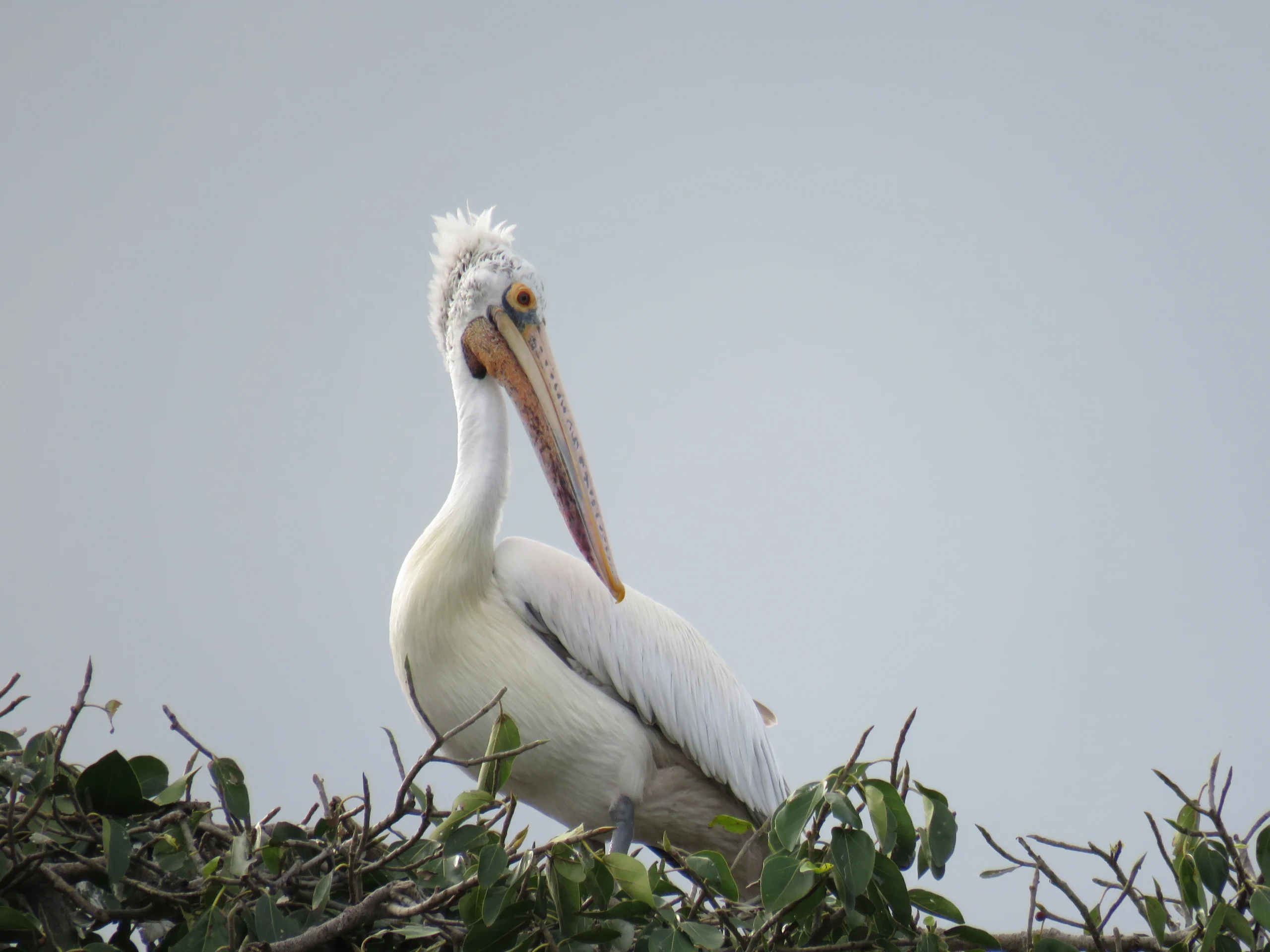
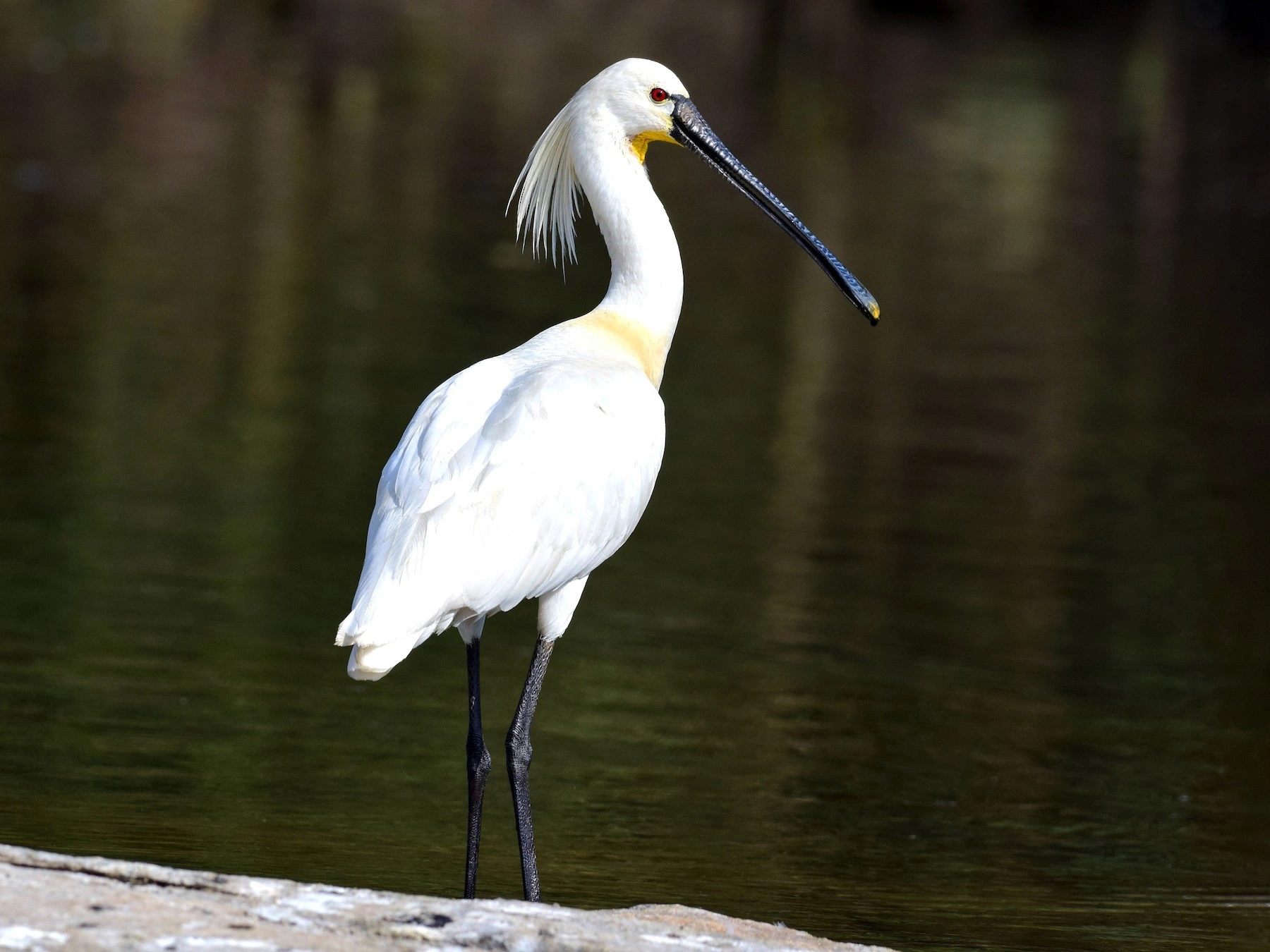
Changaram Wetlands host a vibrant assemblage of common wetland and associated bird species, reflecting the productivity of this backwater ecosystem. Large waterbirds such as Spot-billed Pelican, Eurasian Spoonbill, and Oriental Darter are frequently seen alongside waders like Black-winged Stilt, Common Redshank, Marsh Sandpipers including Green and Wood Sandpipers, and the striking Black-tailed Godwit. The wetlands also support a variety of herons and egrets, including Little Egret, Great Egret, Grey Heron, and Purple Heron, while species like Ruddy-breasted Crake thrive in dense marsh vegetation. Water-associated birds such as Indian and Little Cormorants, kingfishers, and Brahminy Kite are commonly observed, along with passerines like Ashy Woodswallow, prinias, Black-naped Monarch, and Clamorous Reed Warbler. Seasonal migrants like Garganey further add to the diversity, making the wetlands a dynamic habitat for both resident and migratory birdlife.

Spot-billed Pelican

Eurasian Spoonbill
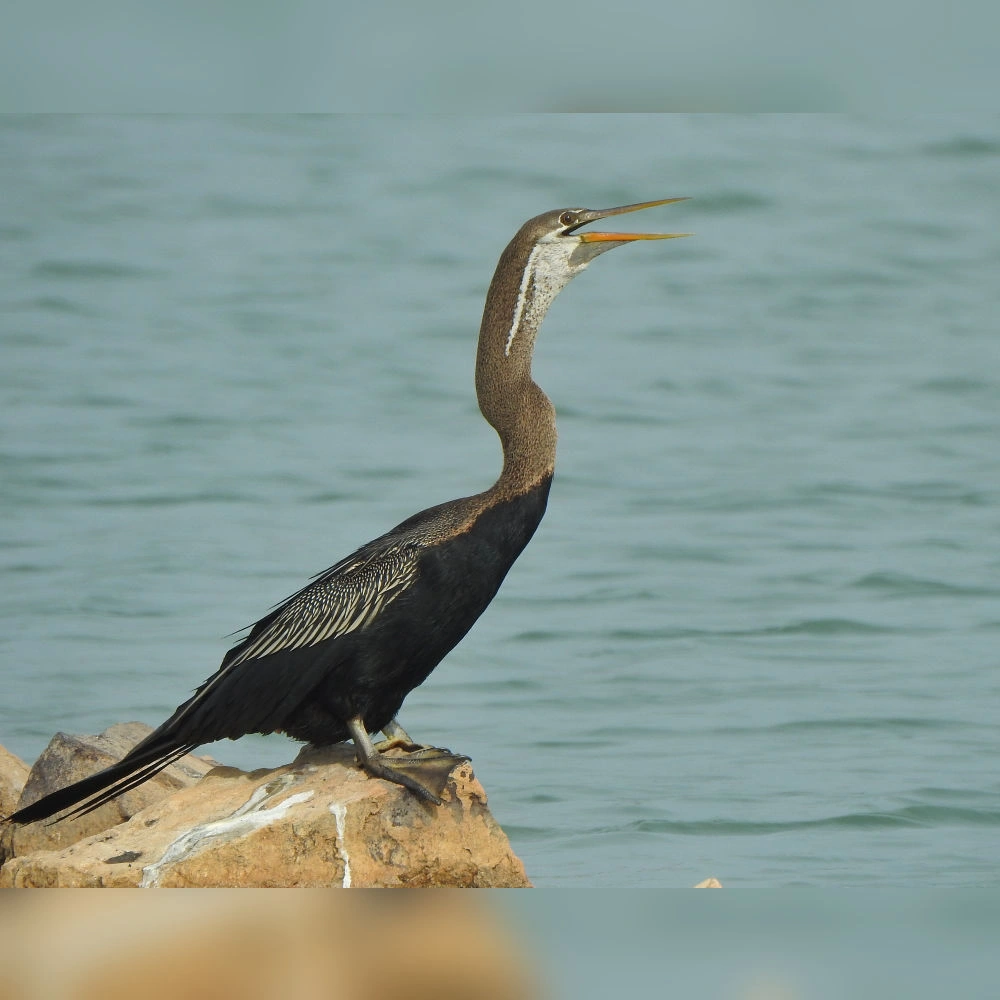
Oriental Darter
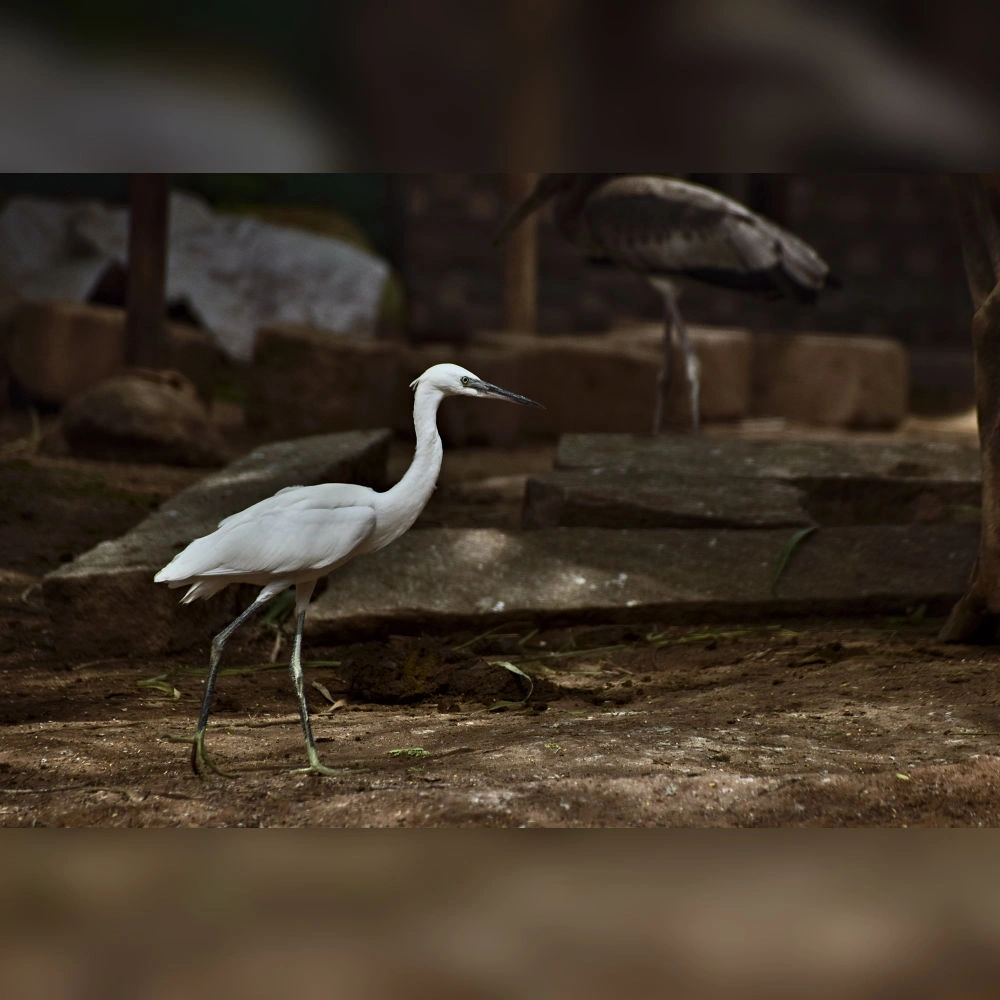
Little Egret
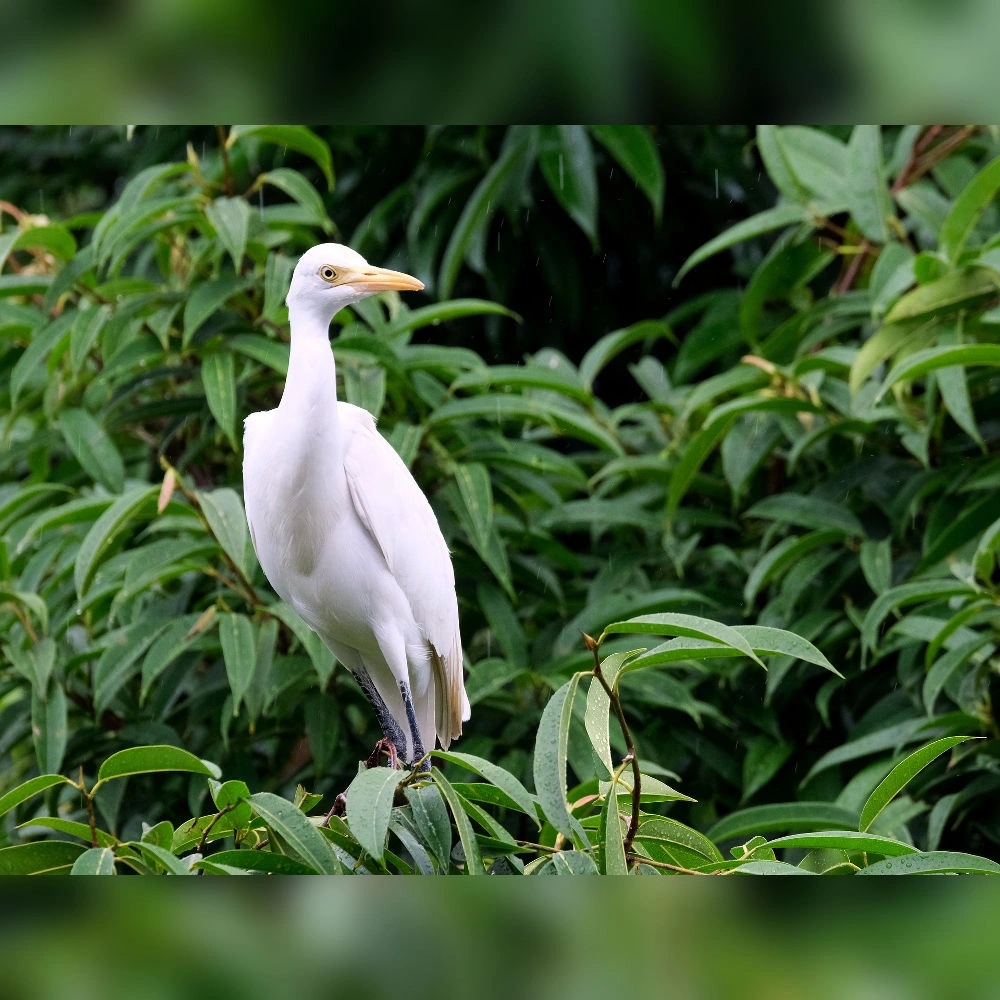
Eastern Cattle - Egret
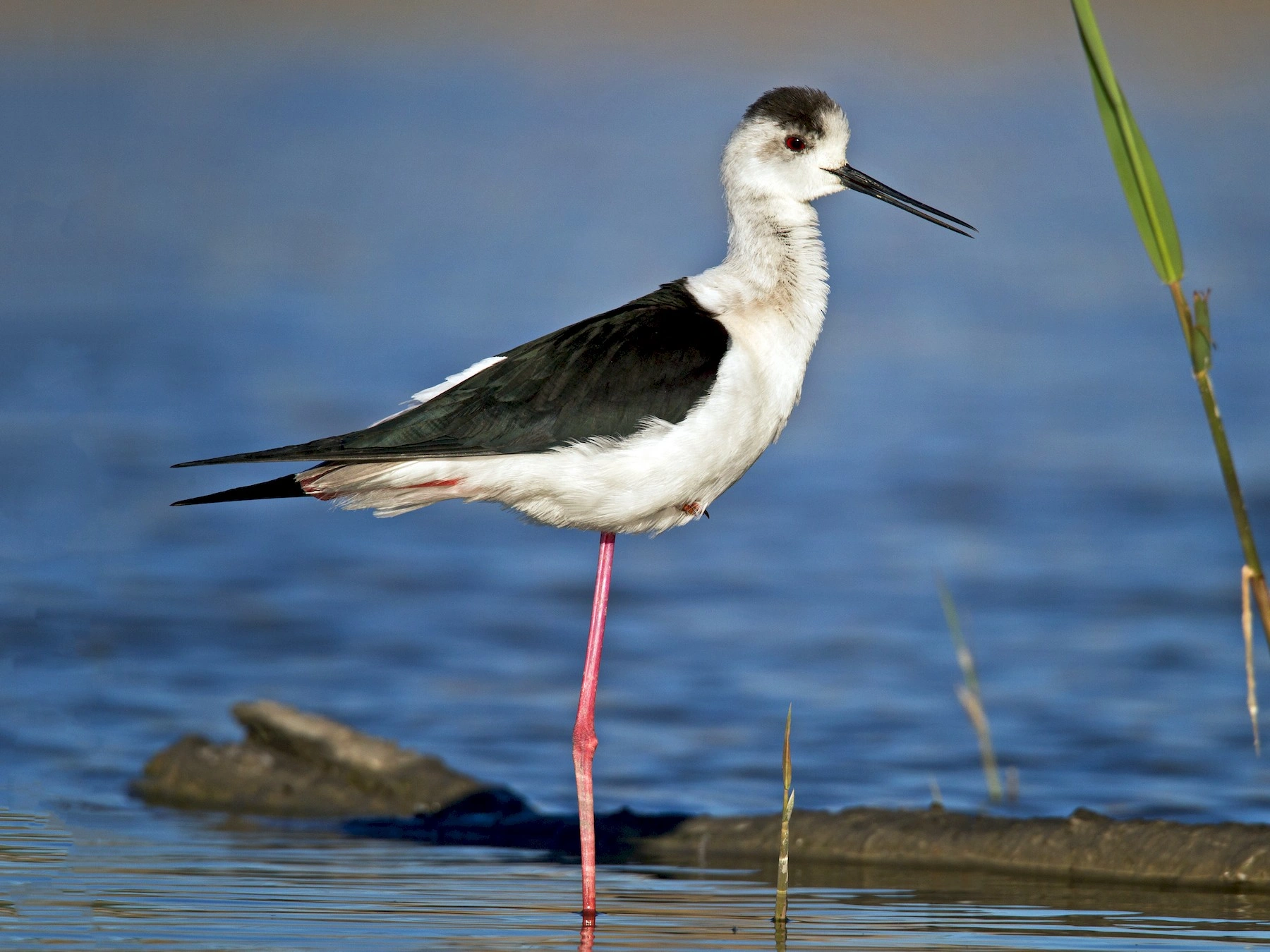
Black-winged Stilt
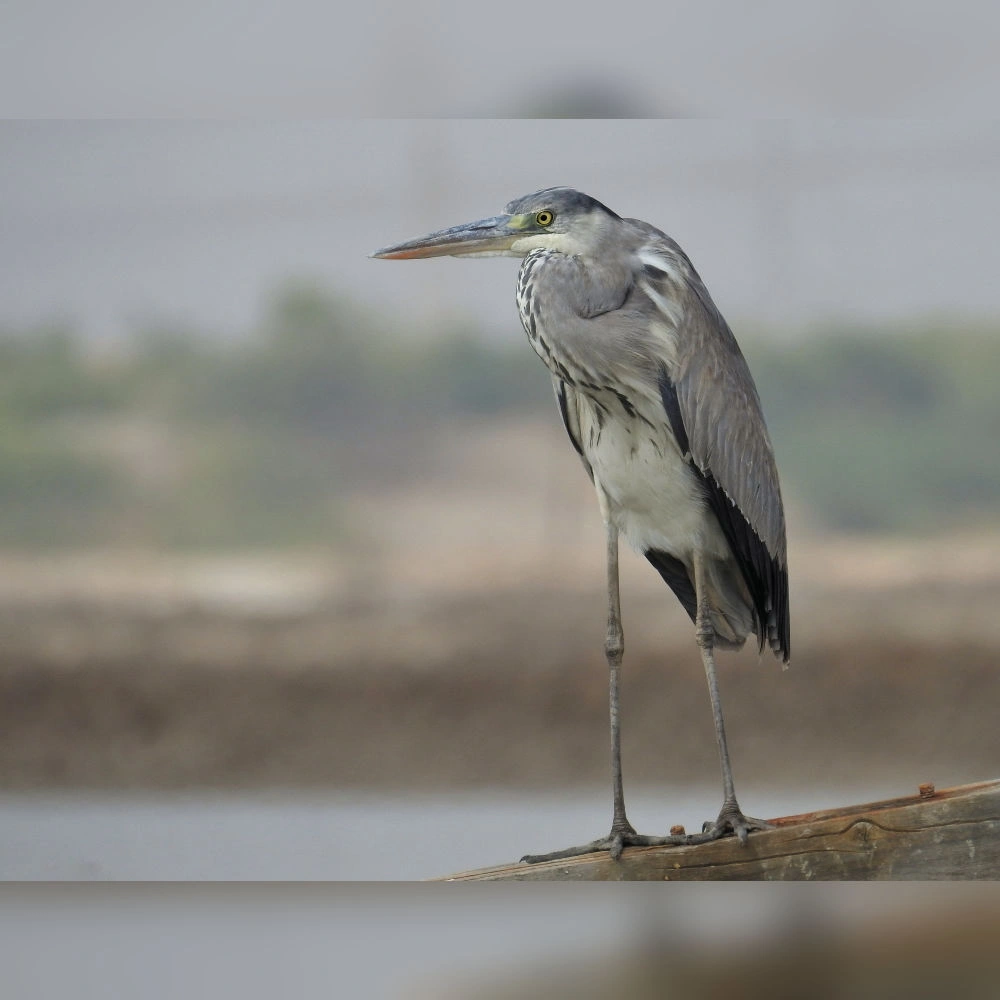
Grey Heron
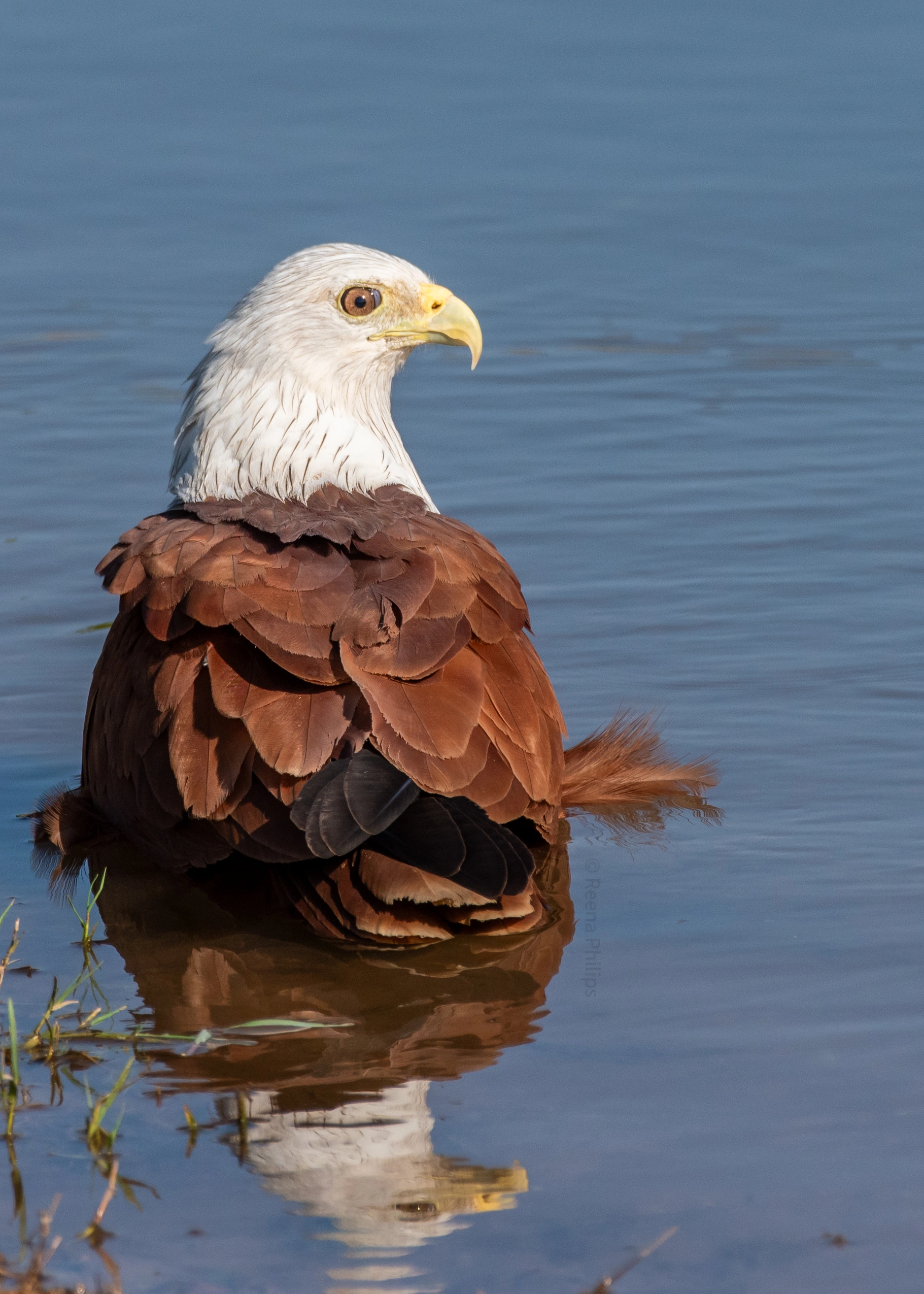
Brahminy Kite
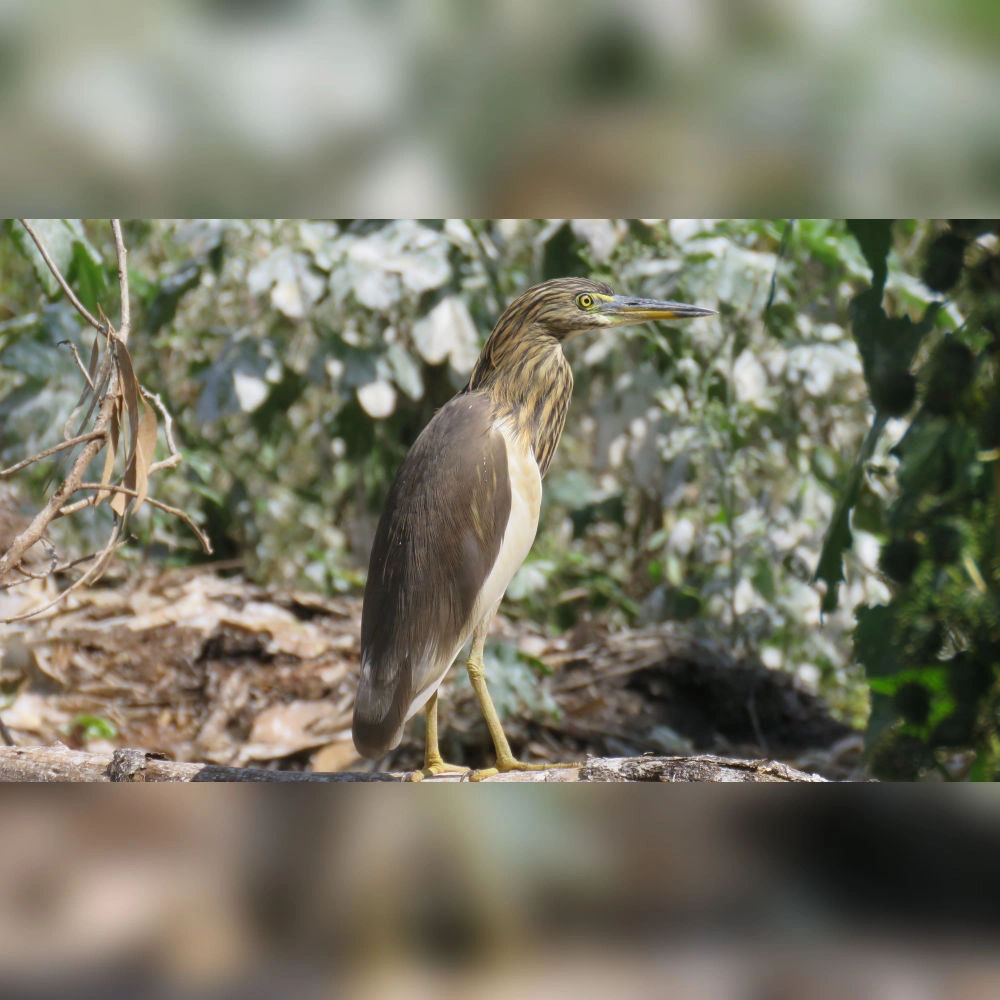
Indian Pond Heron
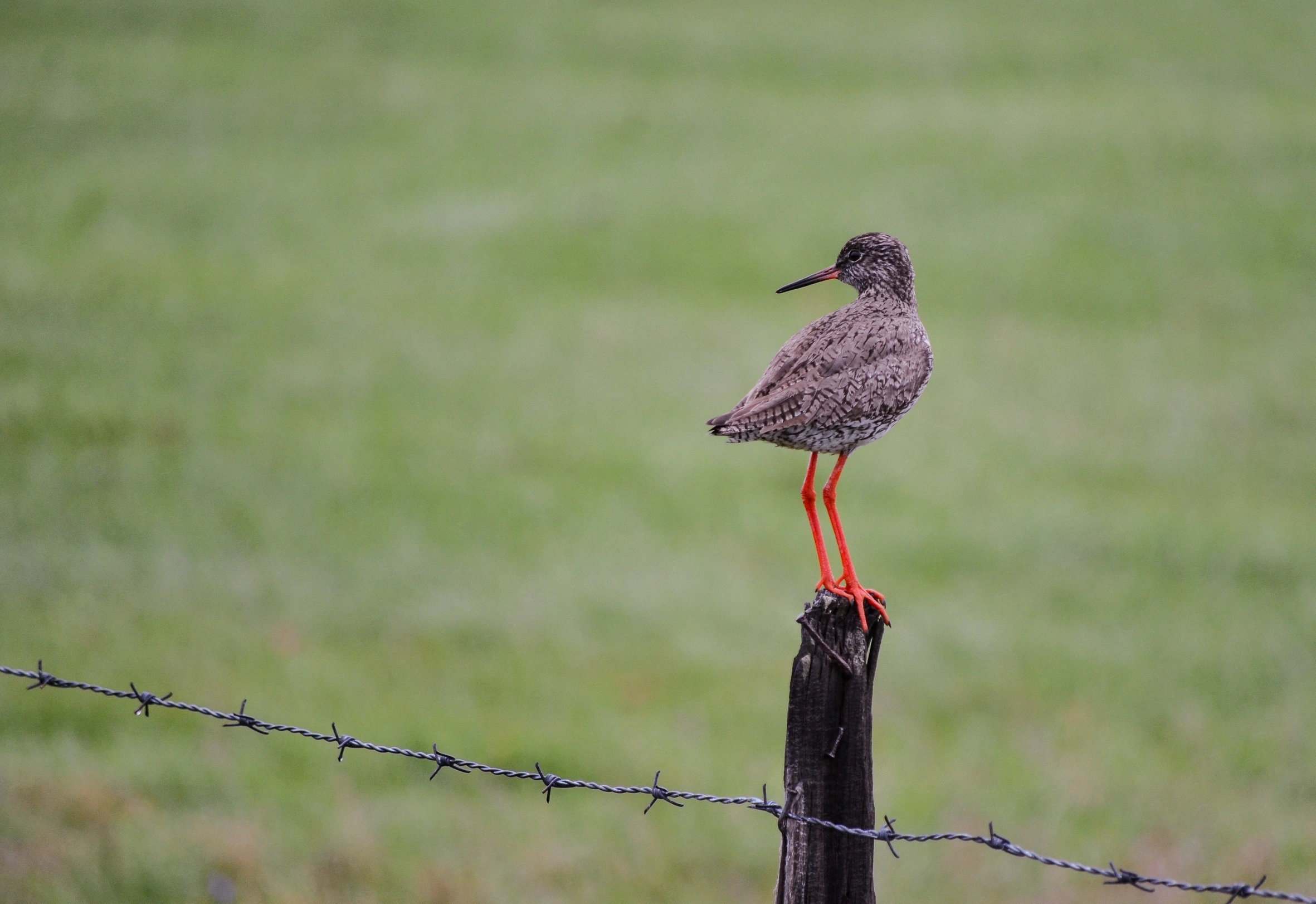
Common Redshank
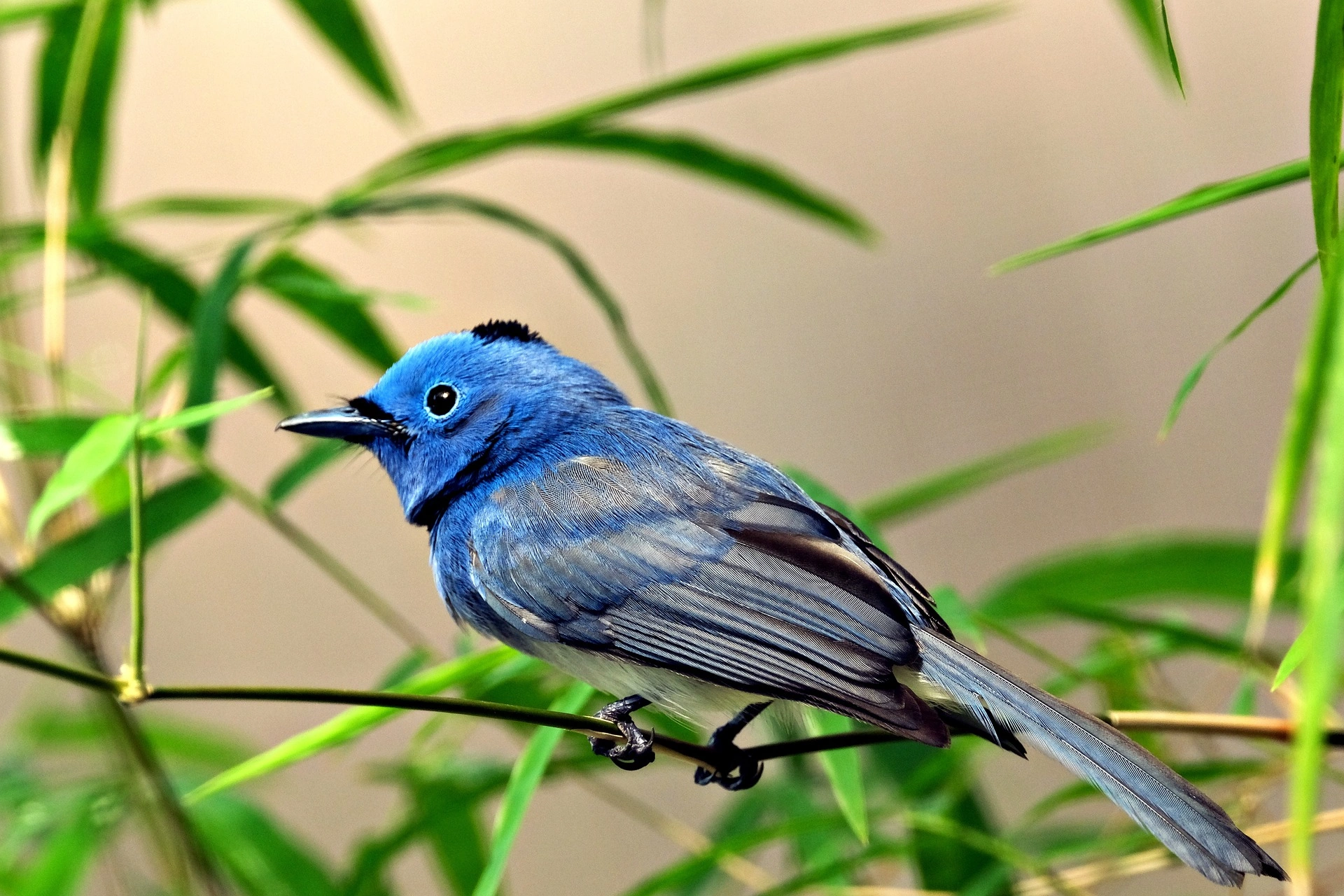
Black-naped Monarch
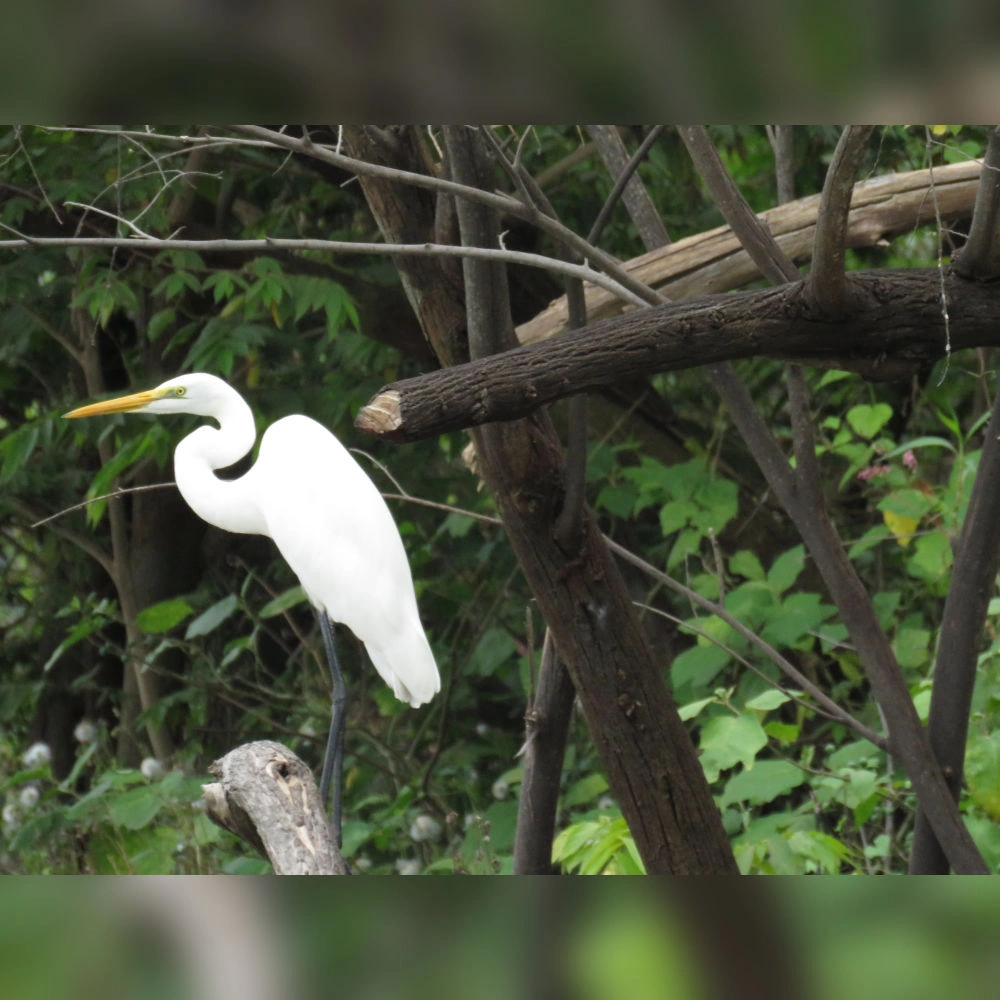
Great Egret
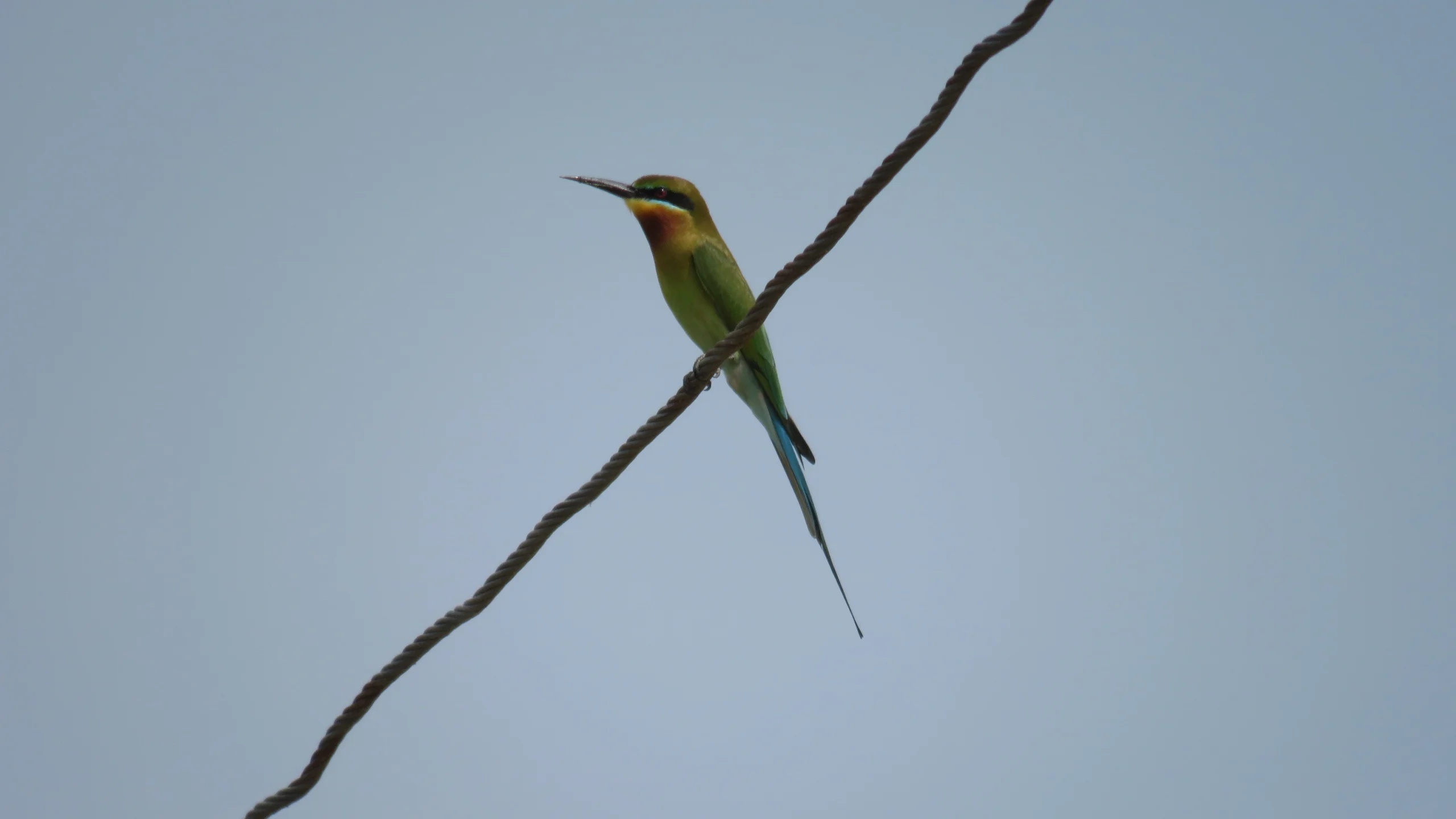
Blue-tailed Bee-Eater
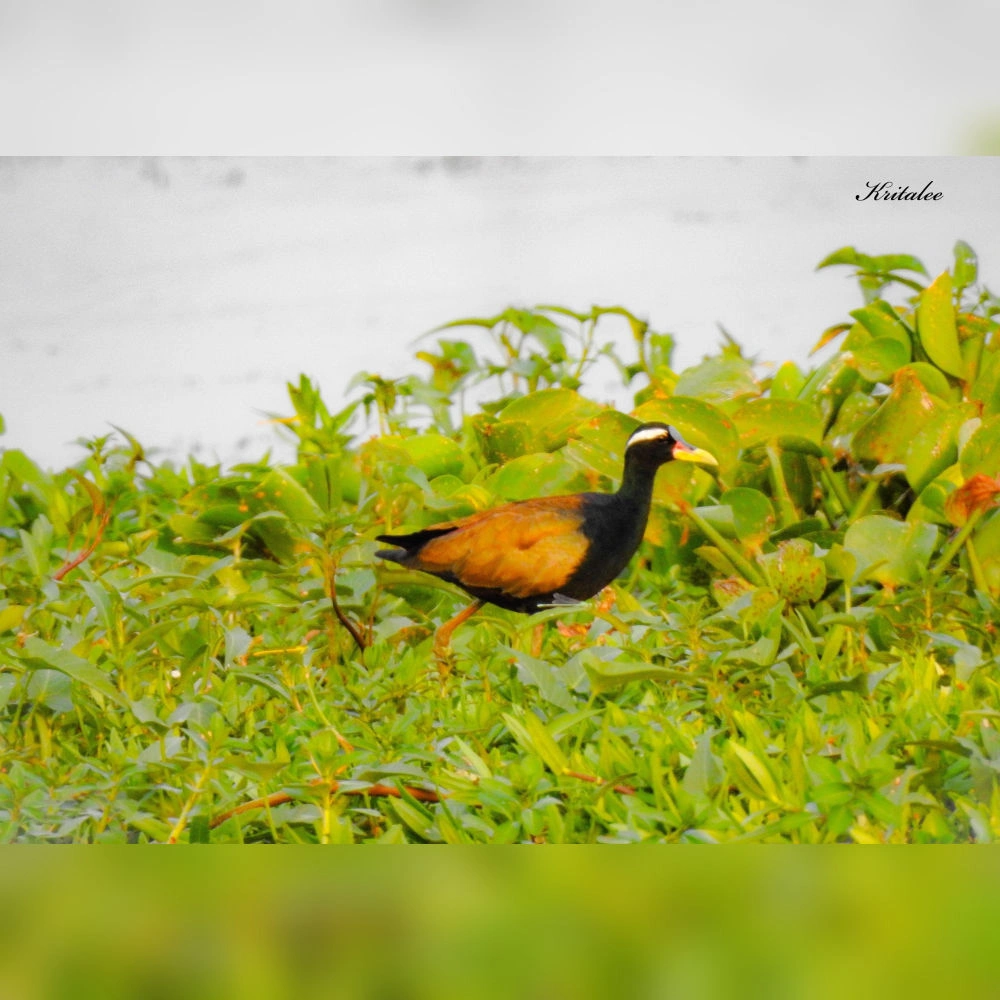
Bronze-winged Jacana
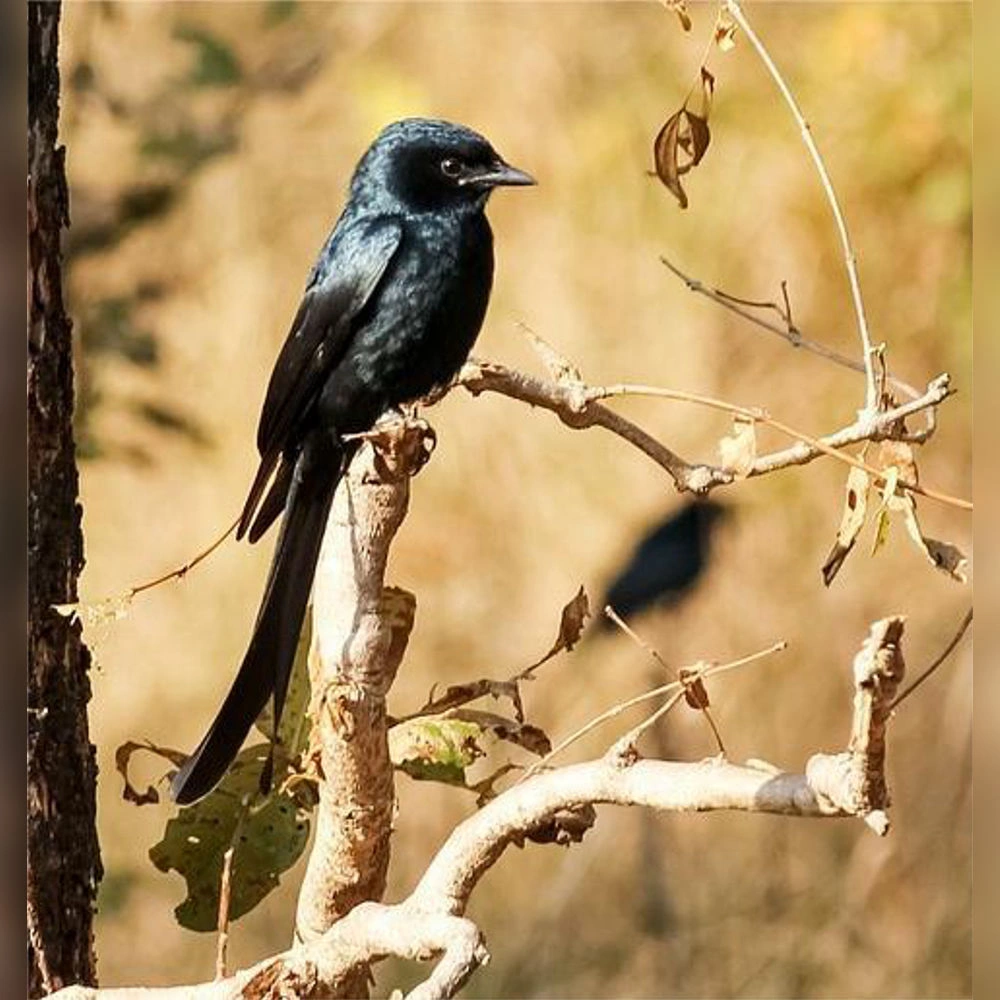
Black Drongo
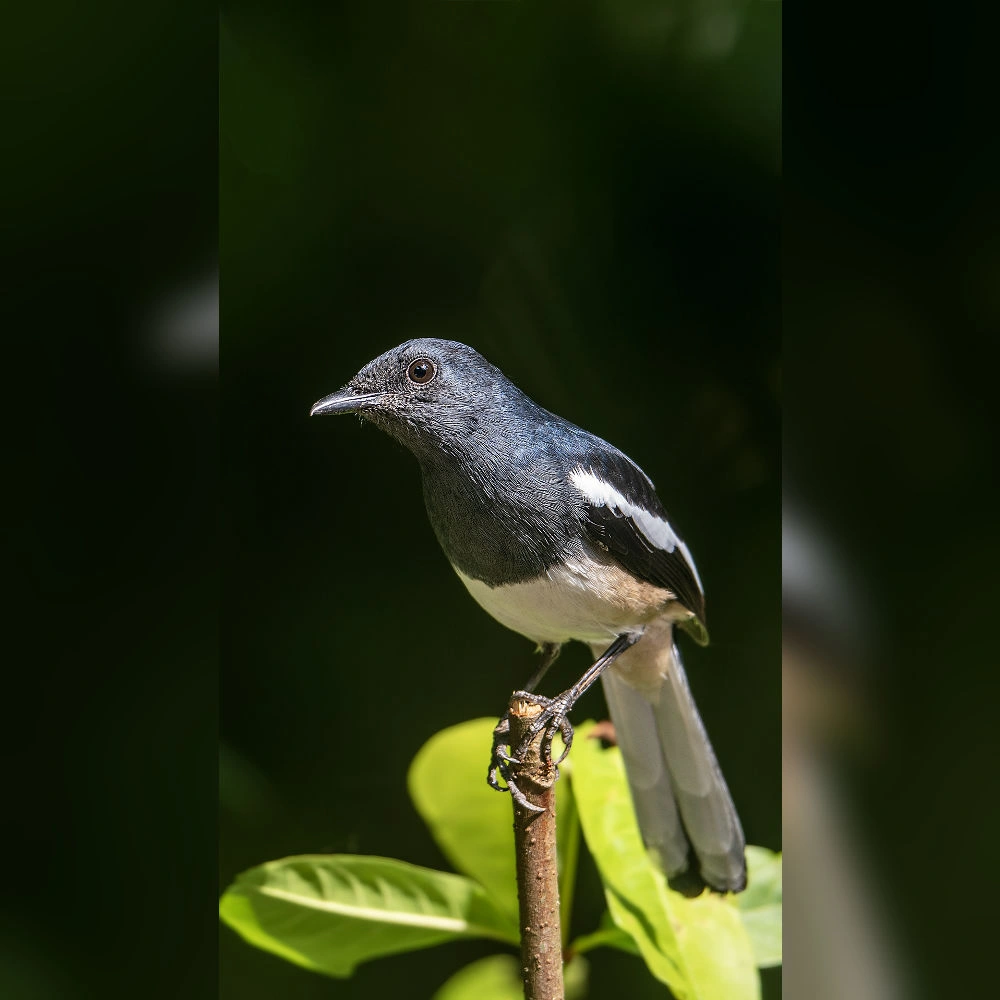
Oriental Magpie Robin
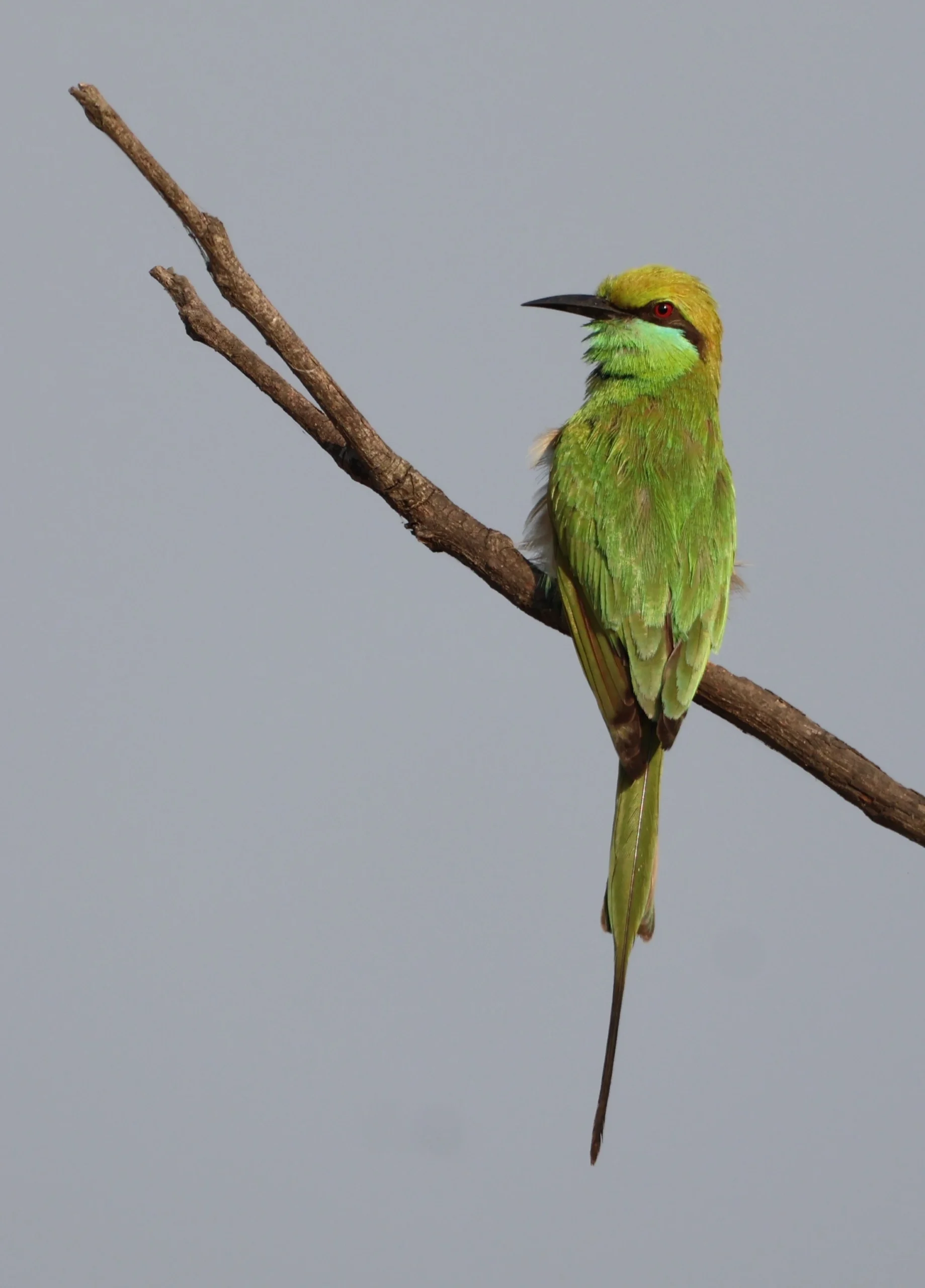
Asian Green Bee-eater
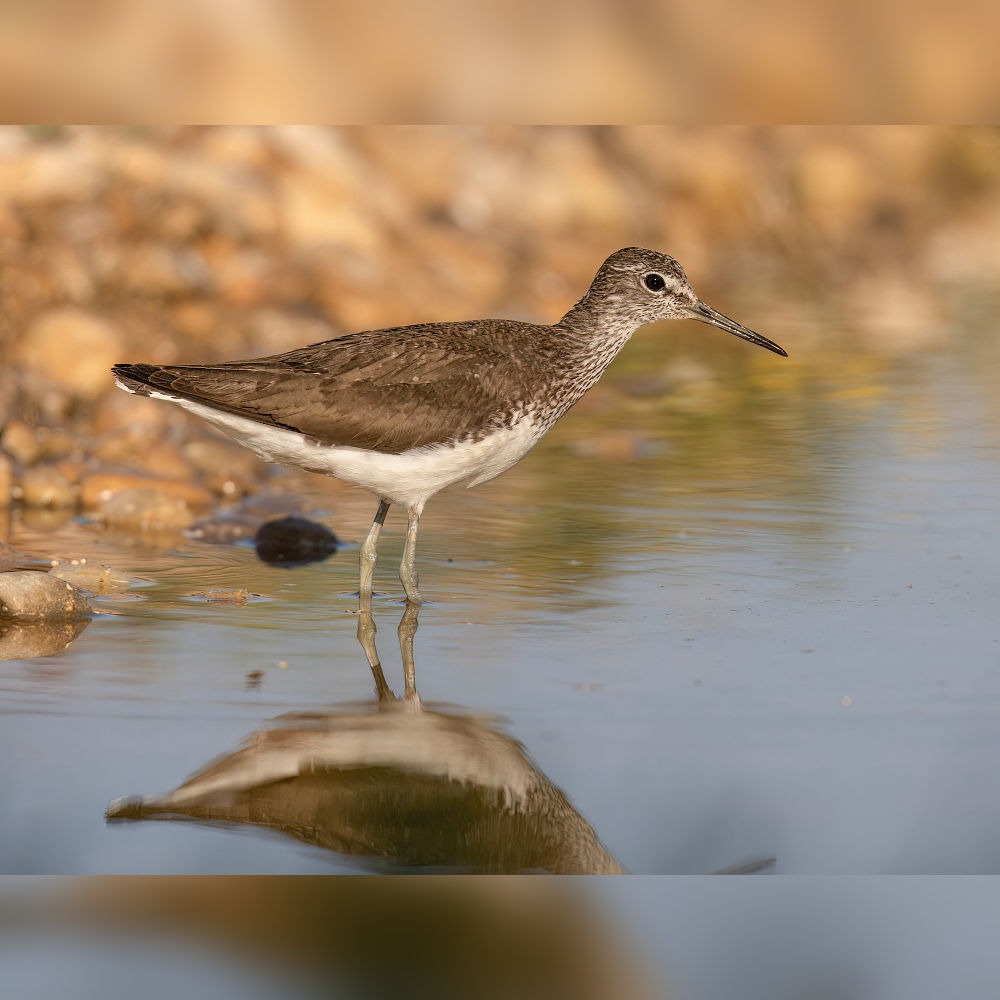
Green Sandpiper

Common Sandpiper
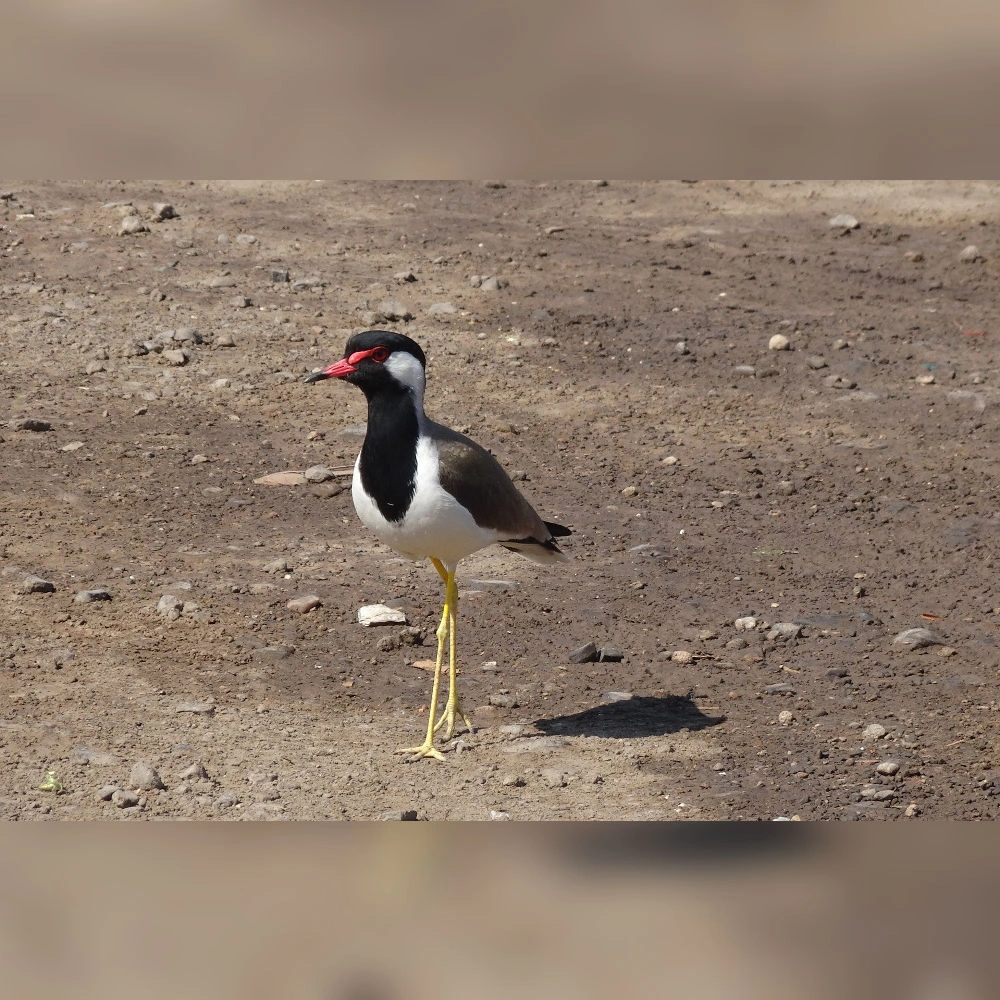
Red-wattled Lapwing

- Fee collected goes entirely to the bird guide. Ataavi does not retain or profit from this amount.