In Gonda district, not far from Ayodhya, Parvati Arga Bird Sanctuary protects two oxbow lakes, Parvati and Arga, that were left behind when the rivers of the Gangetic plain shifted course long ago. It was declared a sanctuary in 1990 and covers about 11 sq km. Today it is recognised as a Ramsar Site, a wetland of international importance. The lakes are surrounded by shallow marshes, reedbeds, floating vegetation, grassy margins, and groves of mango, mahua and other trees, with paddy and wheat fields stretching beyond. Fish, turtles, frogs and countless aquatic insects thrive in the water, and nilgai, jackals and jungle cats roam the surrounding fields.
For birders, Parvati Arga is one of eastern Uttar Pradesh’s best wetlands. In winter, thousands of migrant ducks and geese arrive from Central Asia and beyond, joining resident whistling-ducks, jacanas, ibises, cormorants and herons. The surrounding groves and fields add cuckoos, babblers, pipits and bee-eaters. The wetland, though, is under pressure. Silt and fertiliser and pesticide runoff from the surrounding farms are filling and polluting the lakes, and weeds such as water hyacinth spread quickly. Overfishing, water drawn off for irrigation, grazing, encroachment on the margins and occasional poaching add to the strain. Keeping the water clean, controlling weeds and involving local communities in conservation are vital to protecting this important wetland.
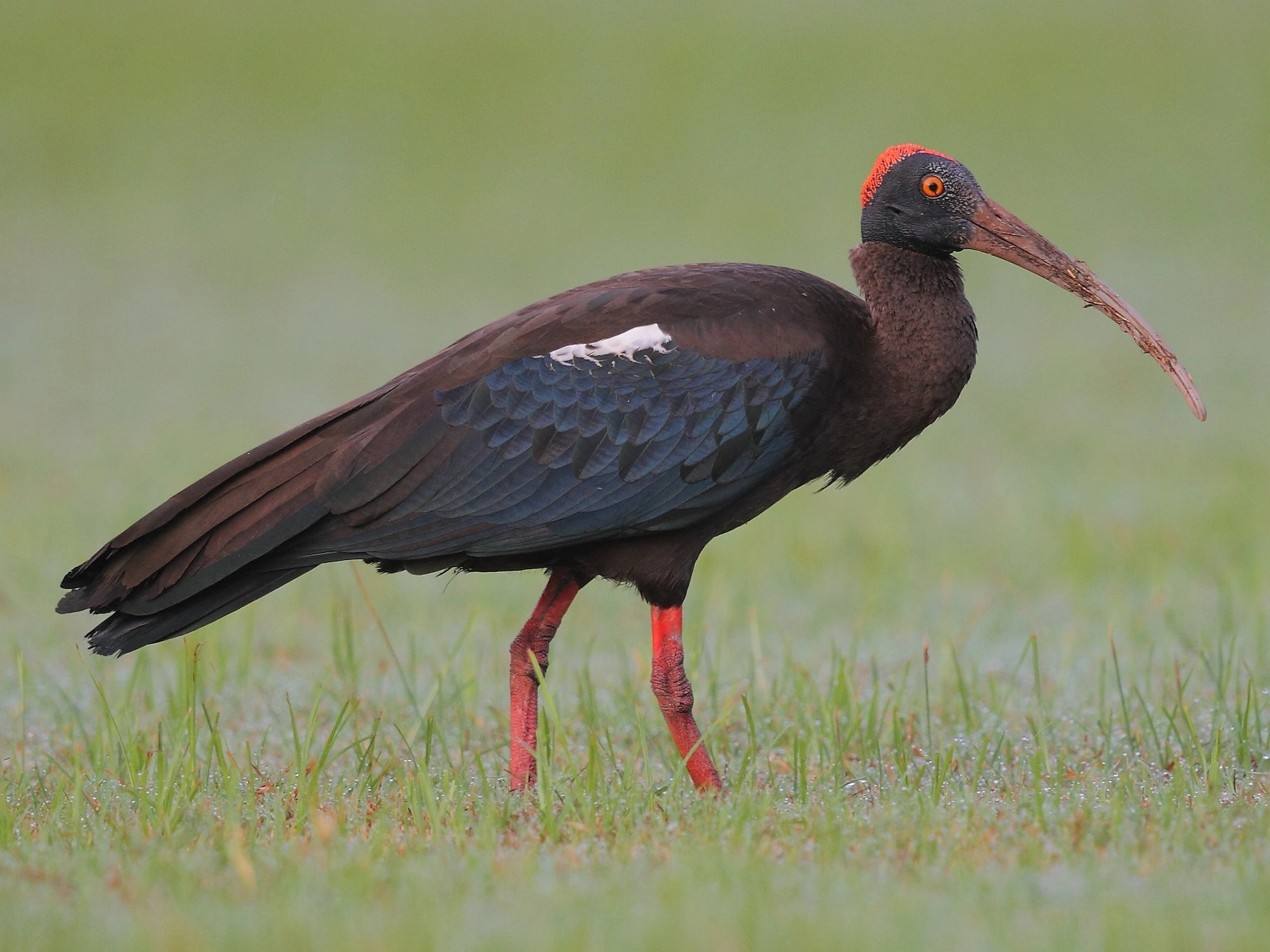
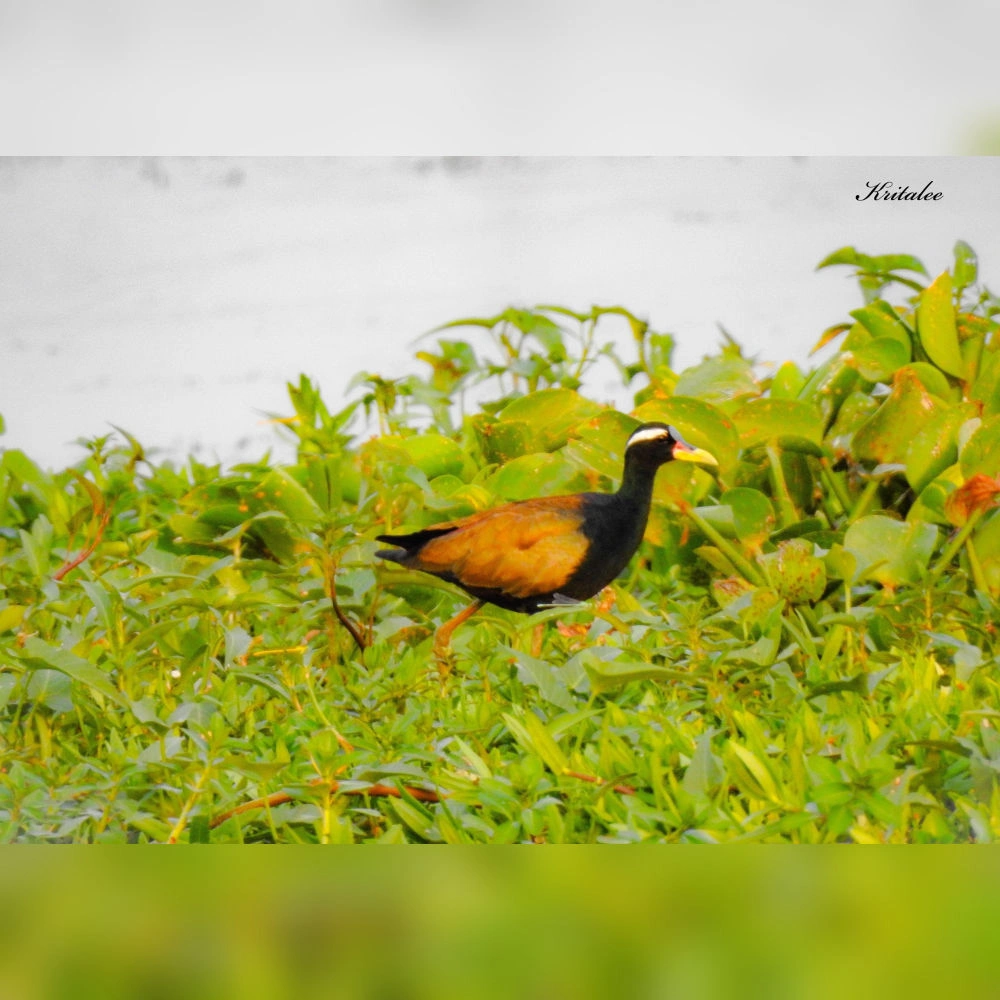
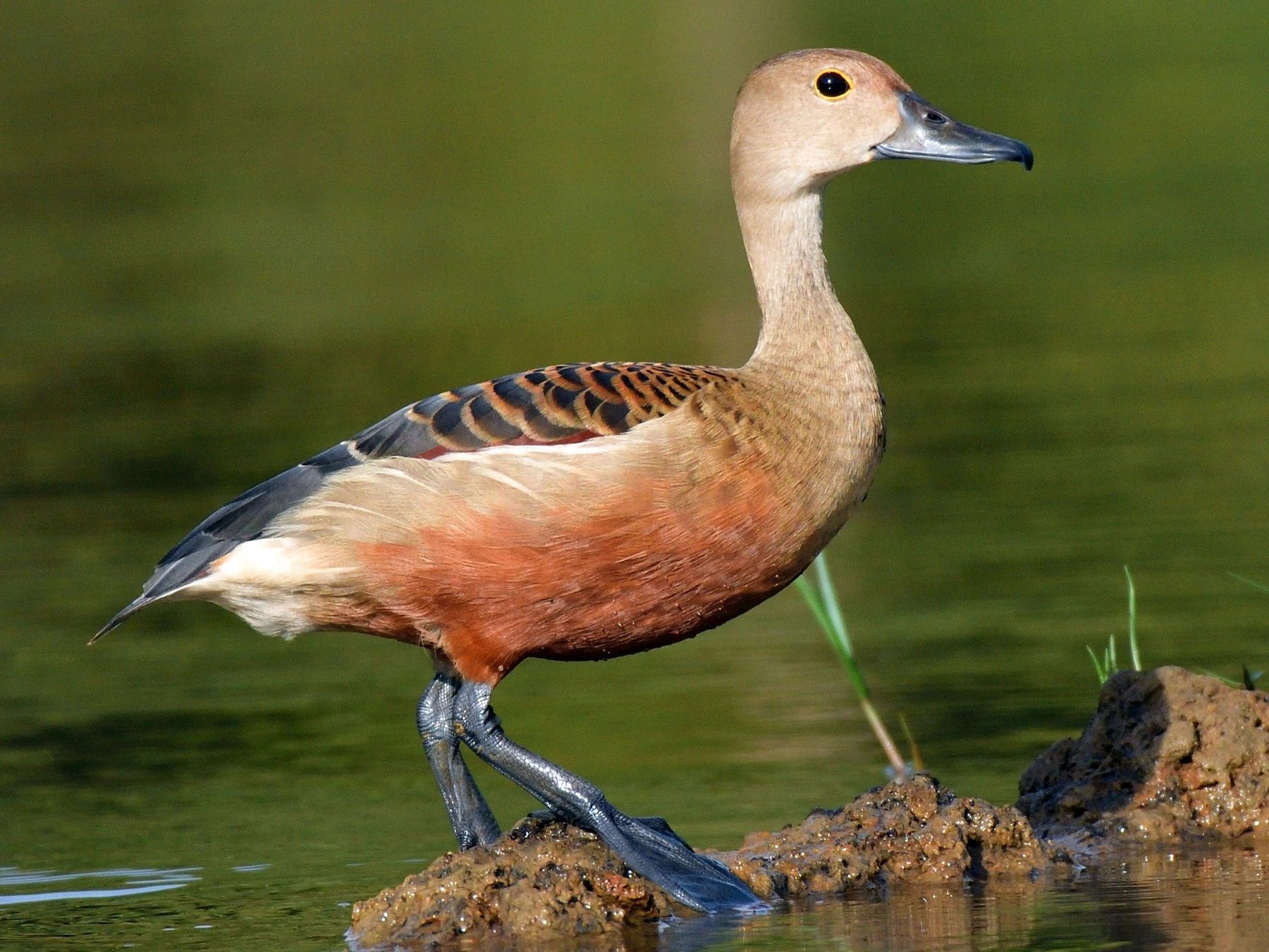
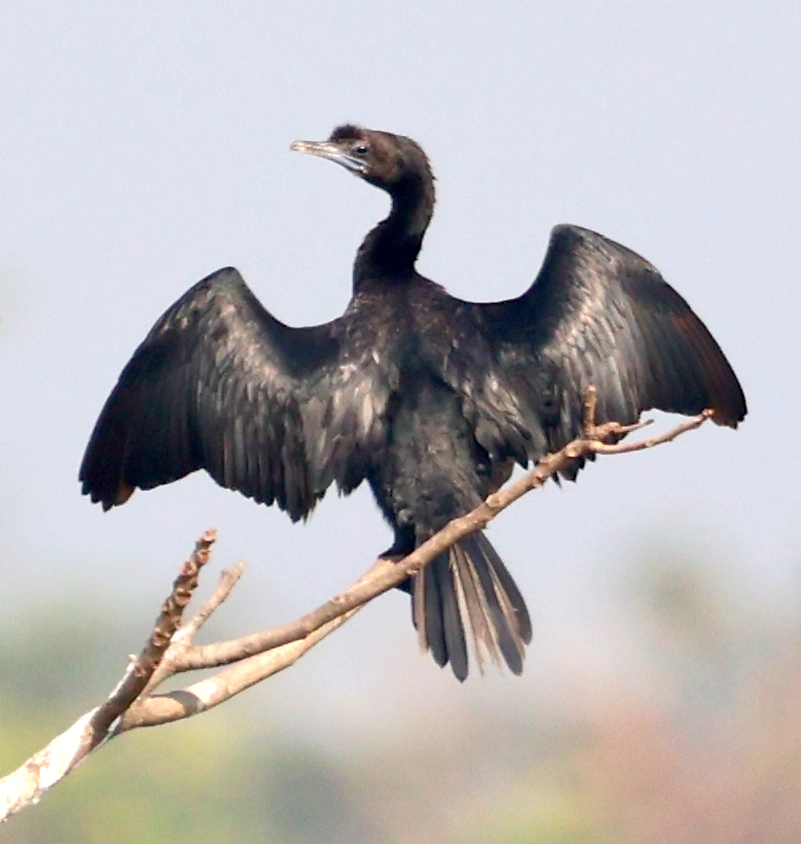
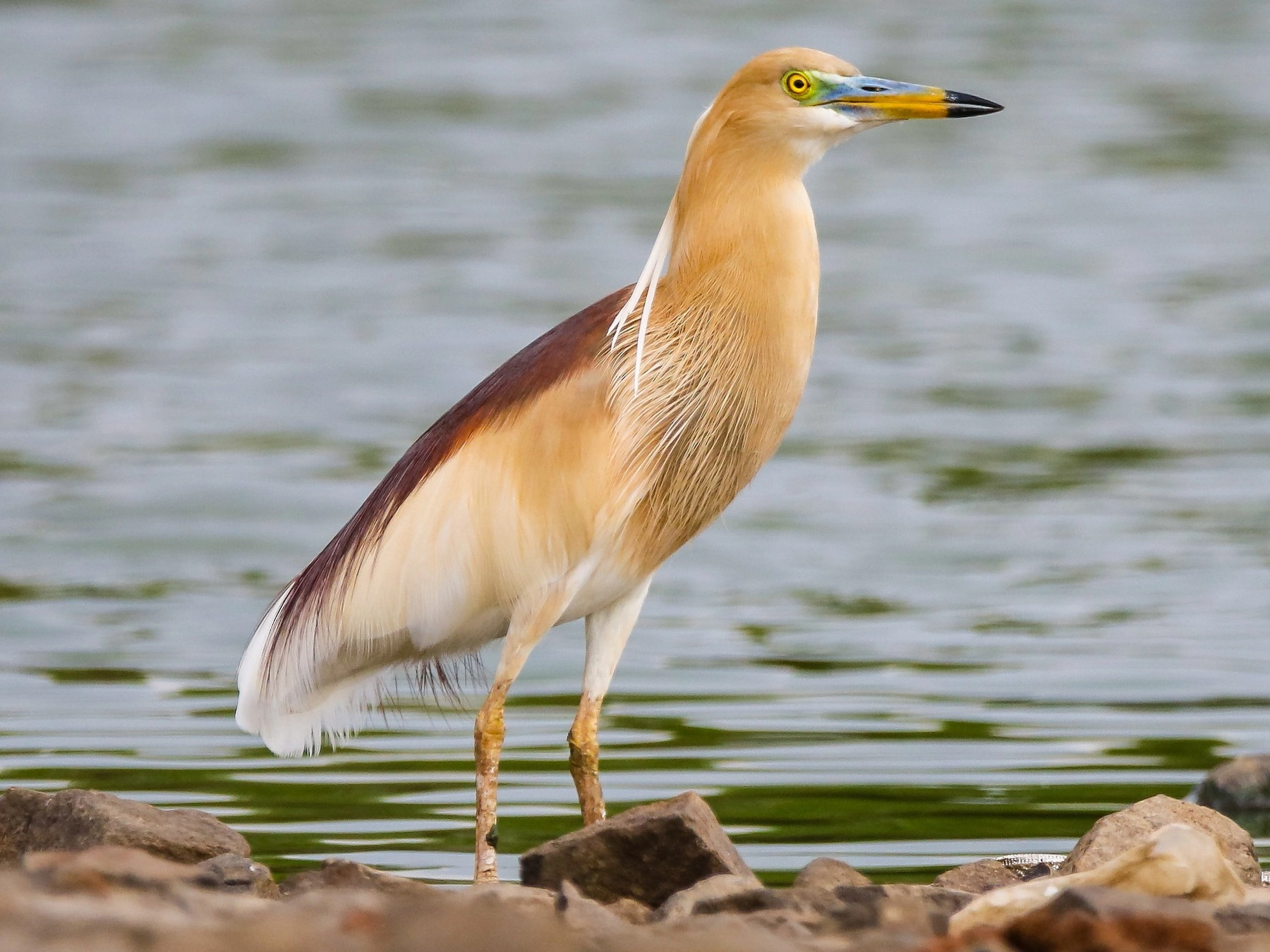
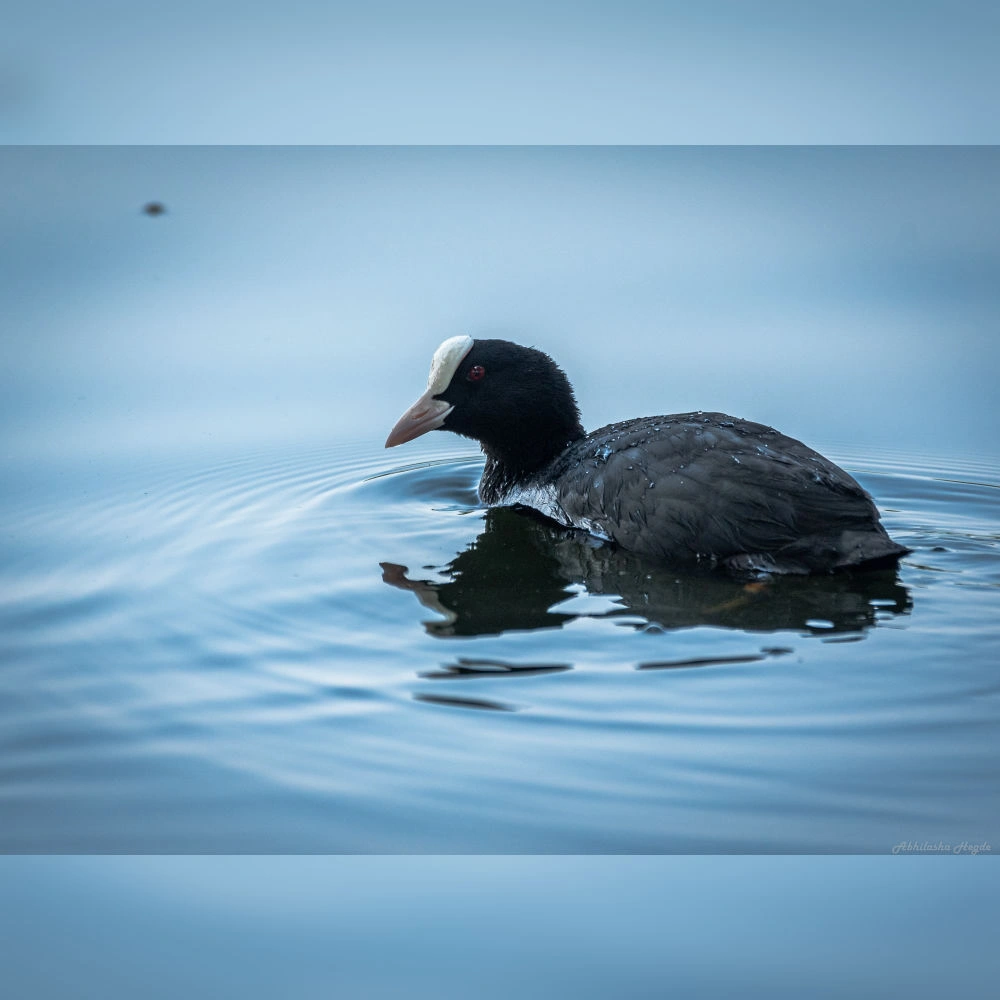
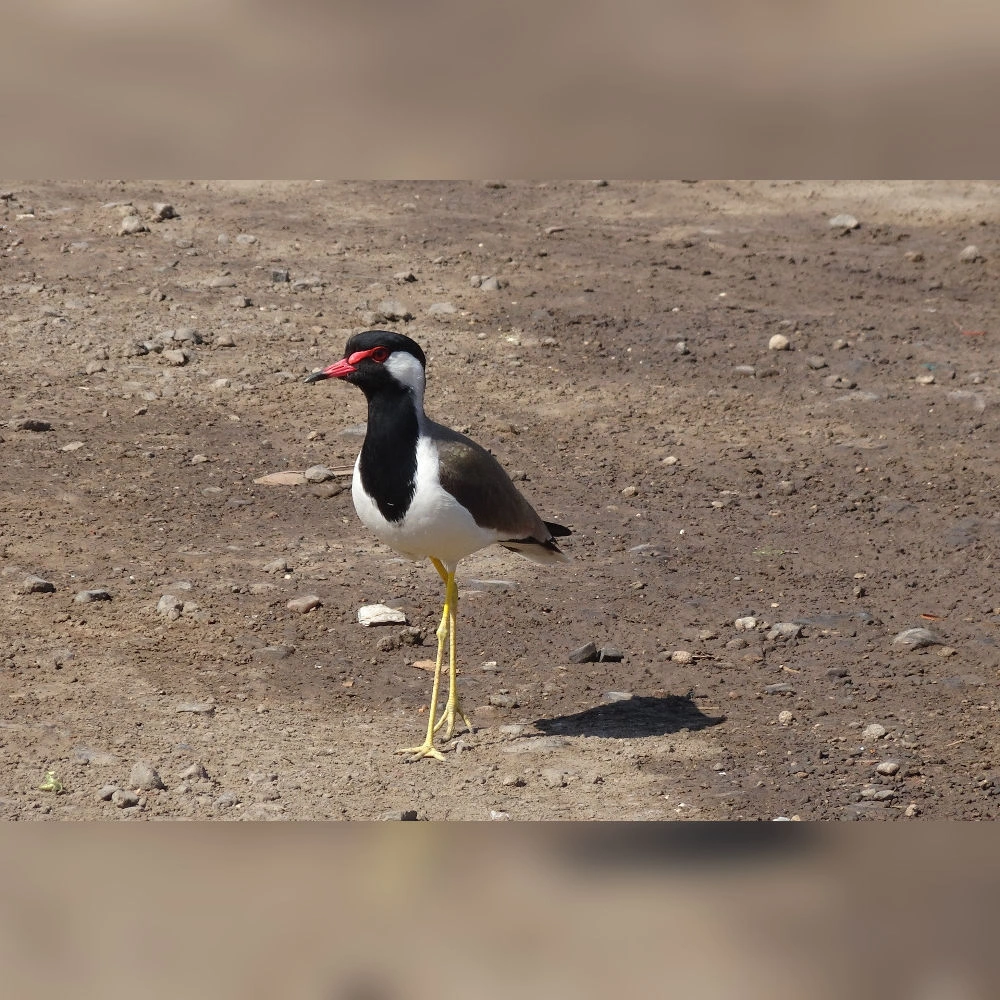
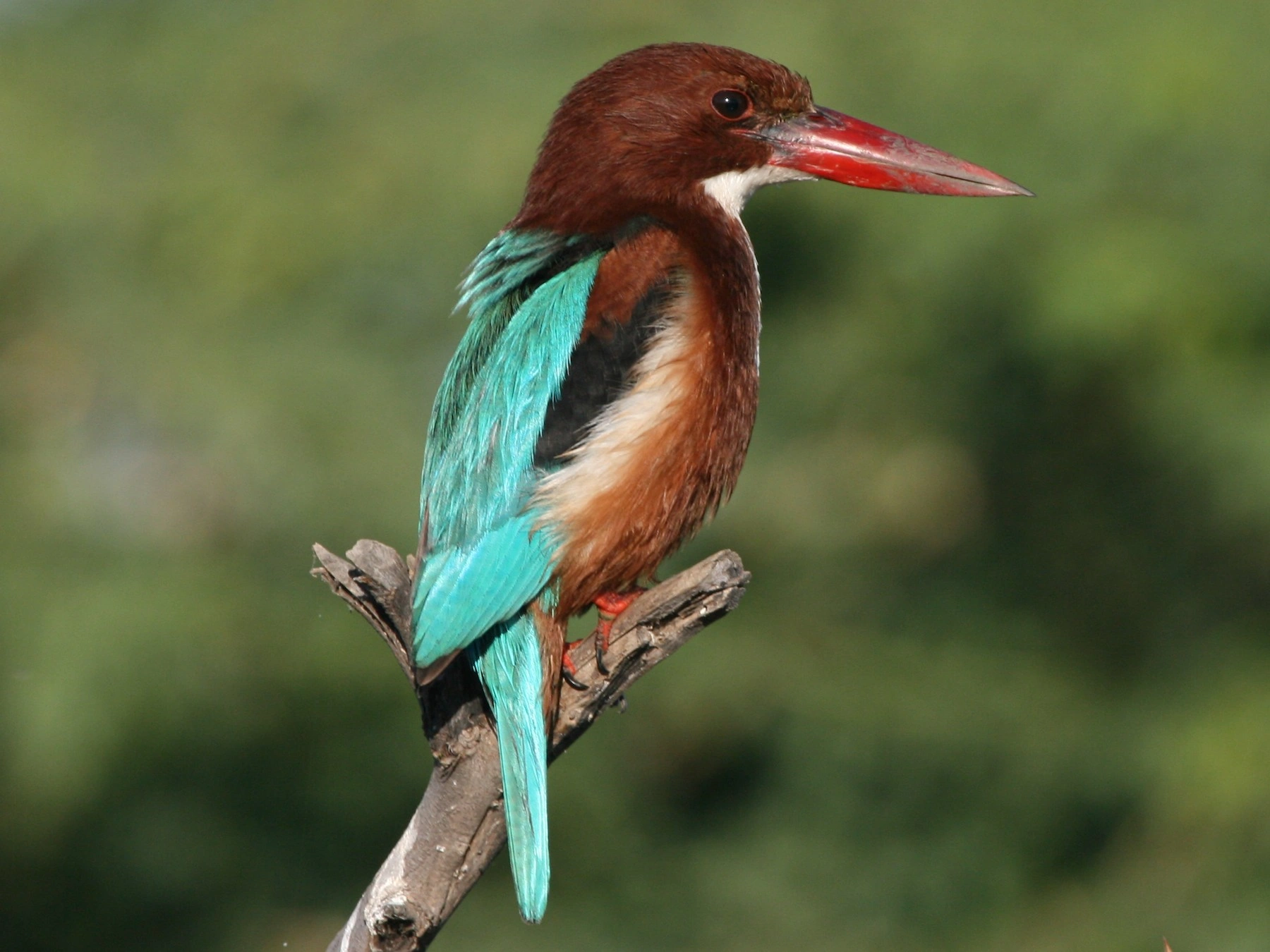
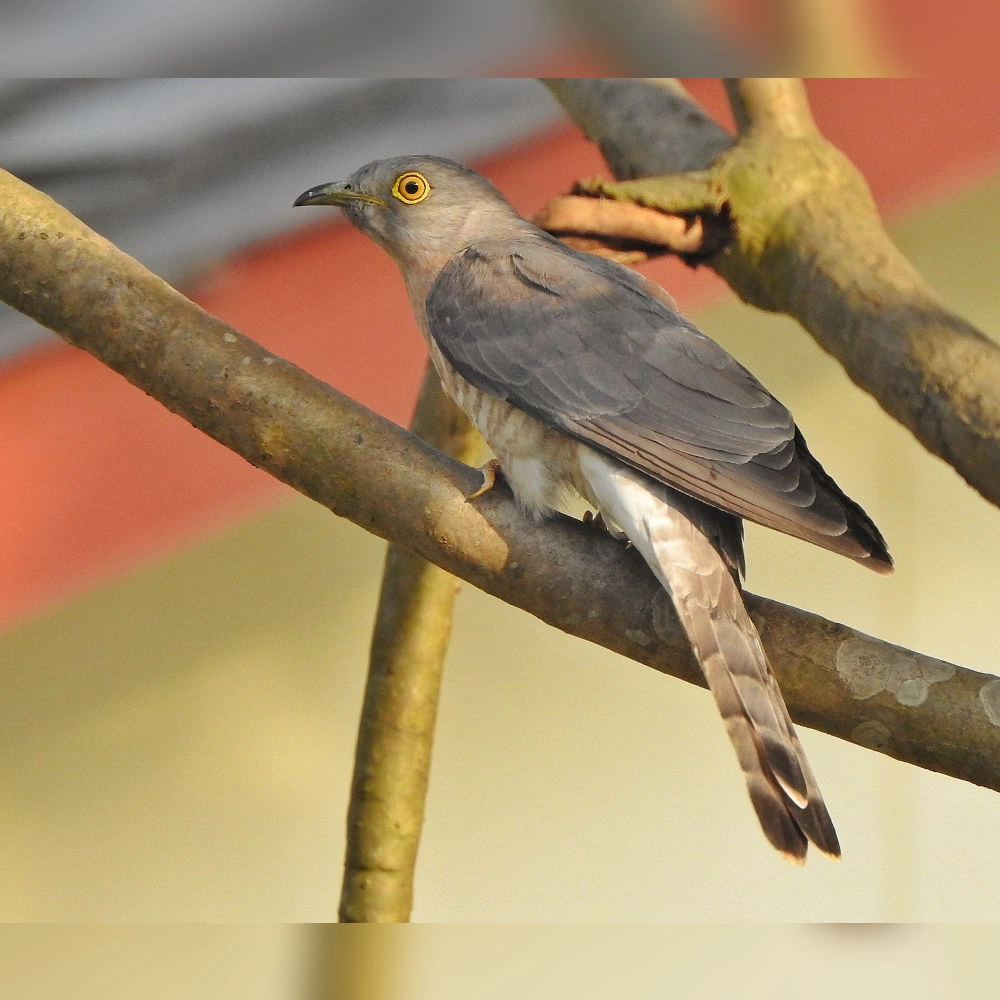
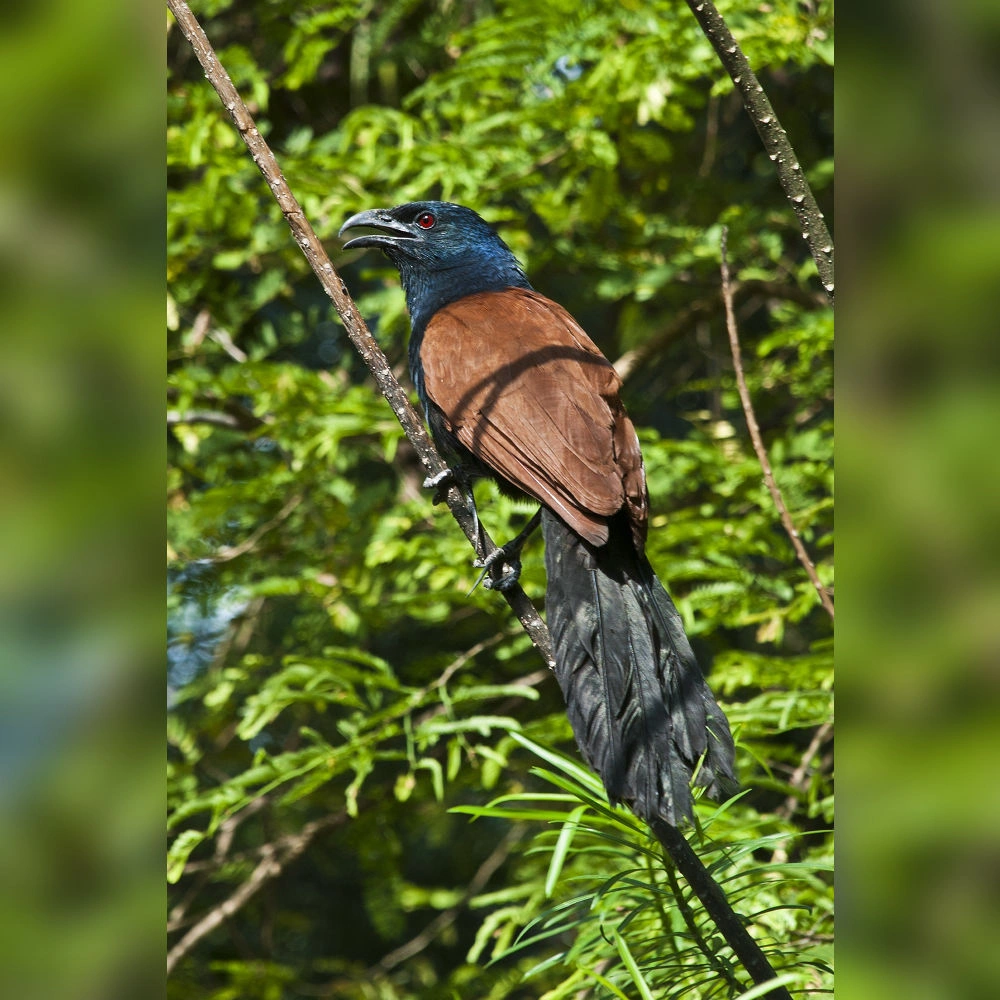
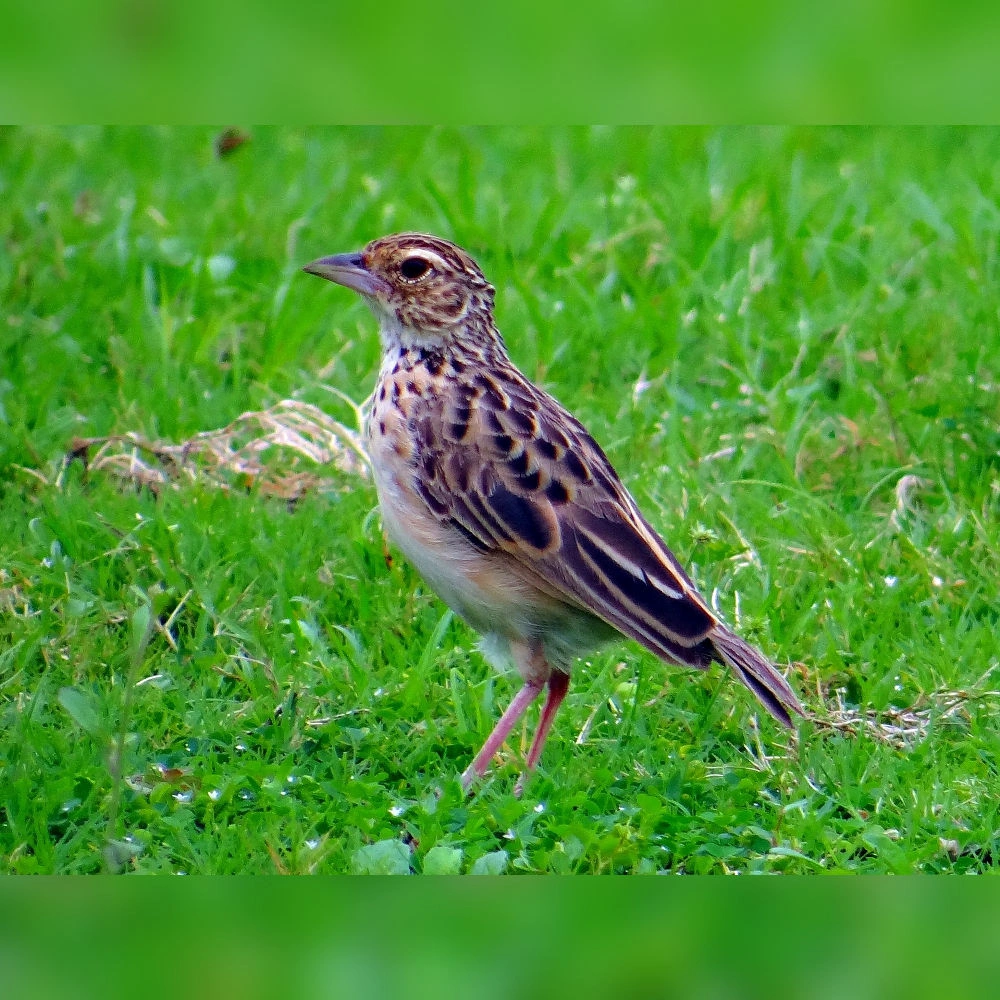
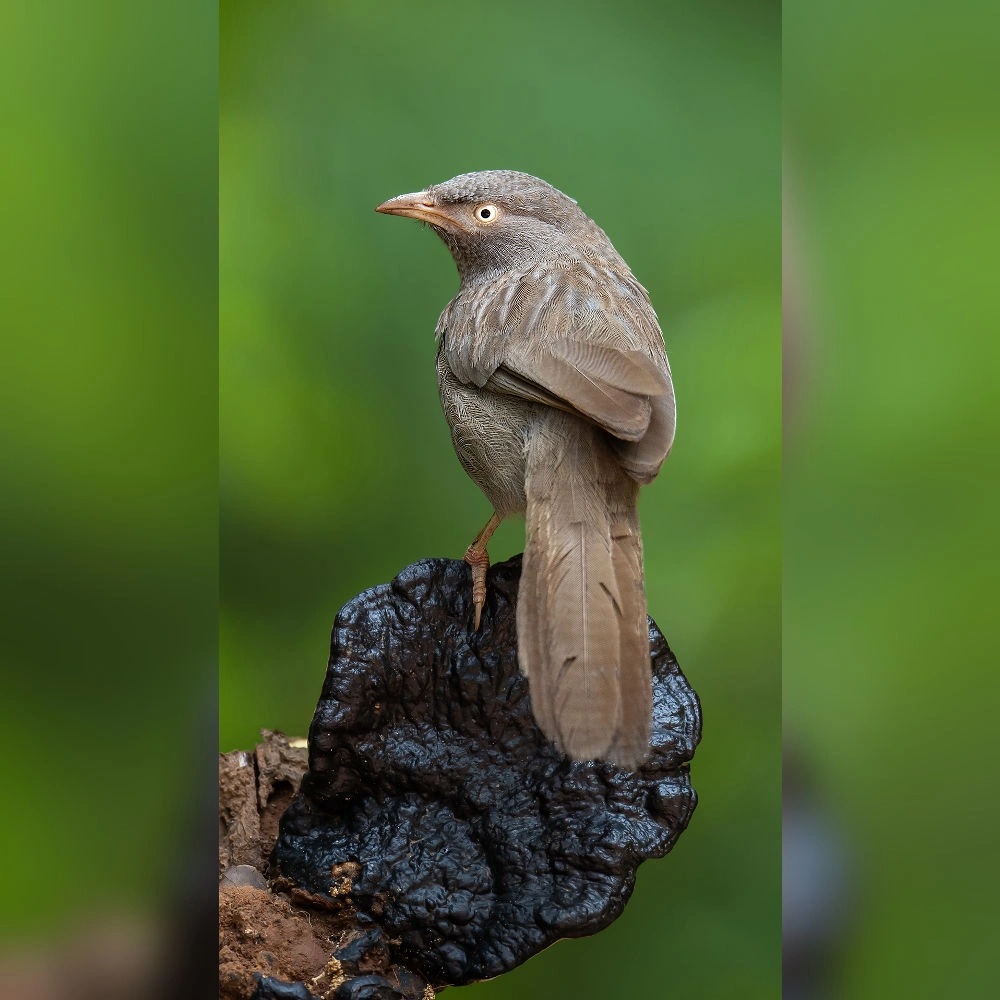
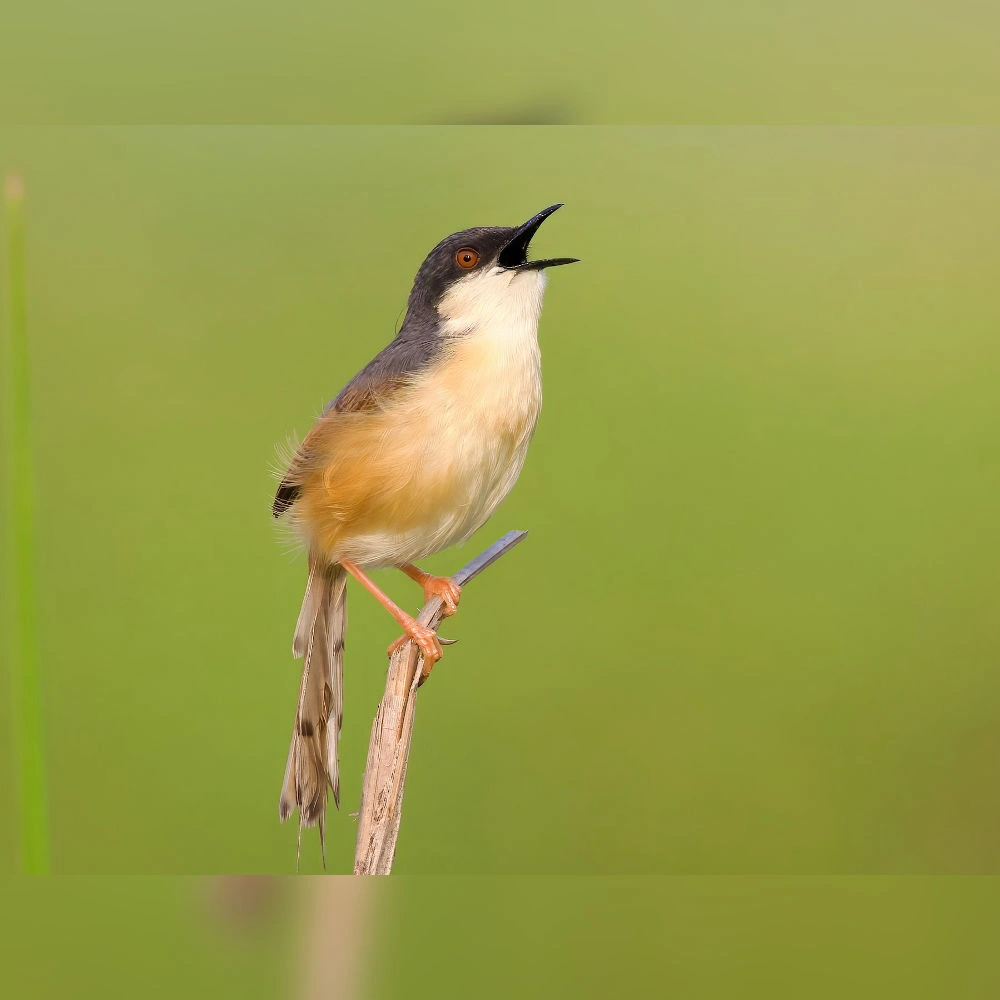
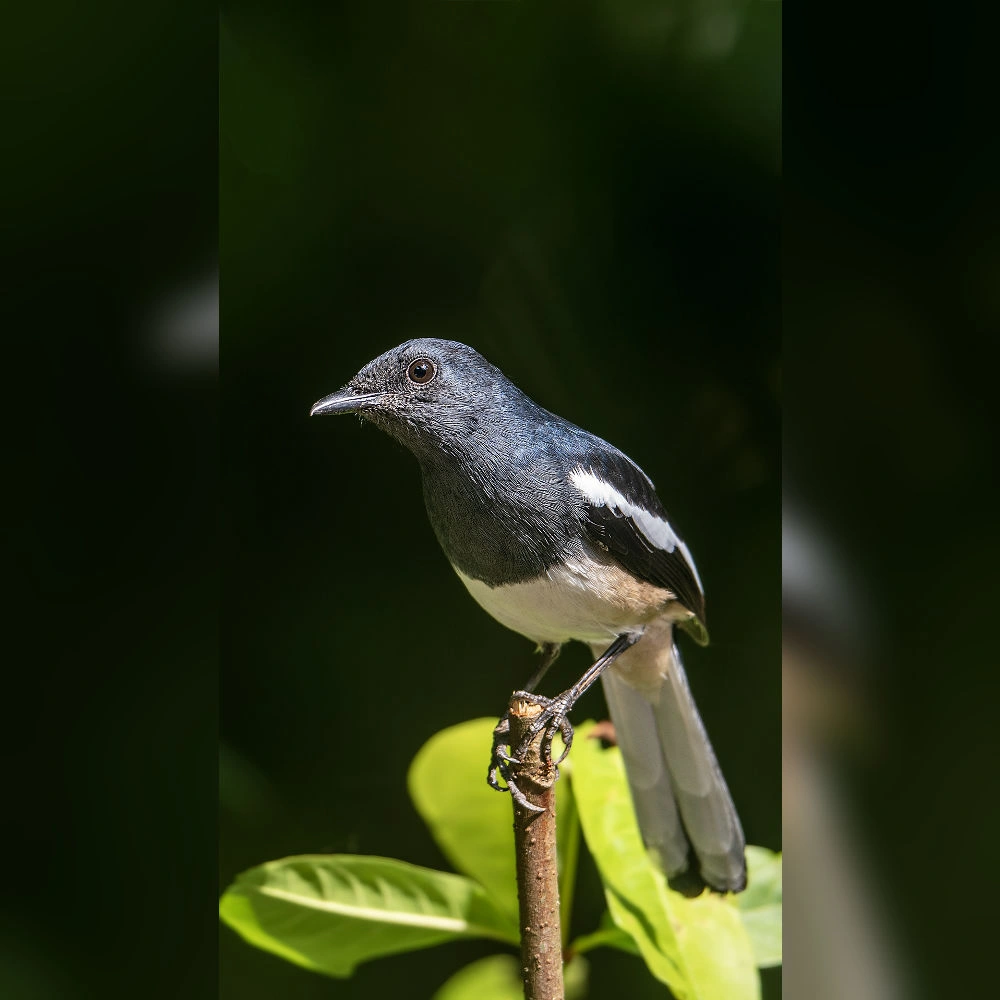
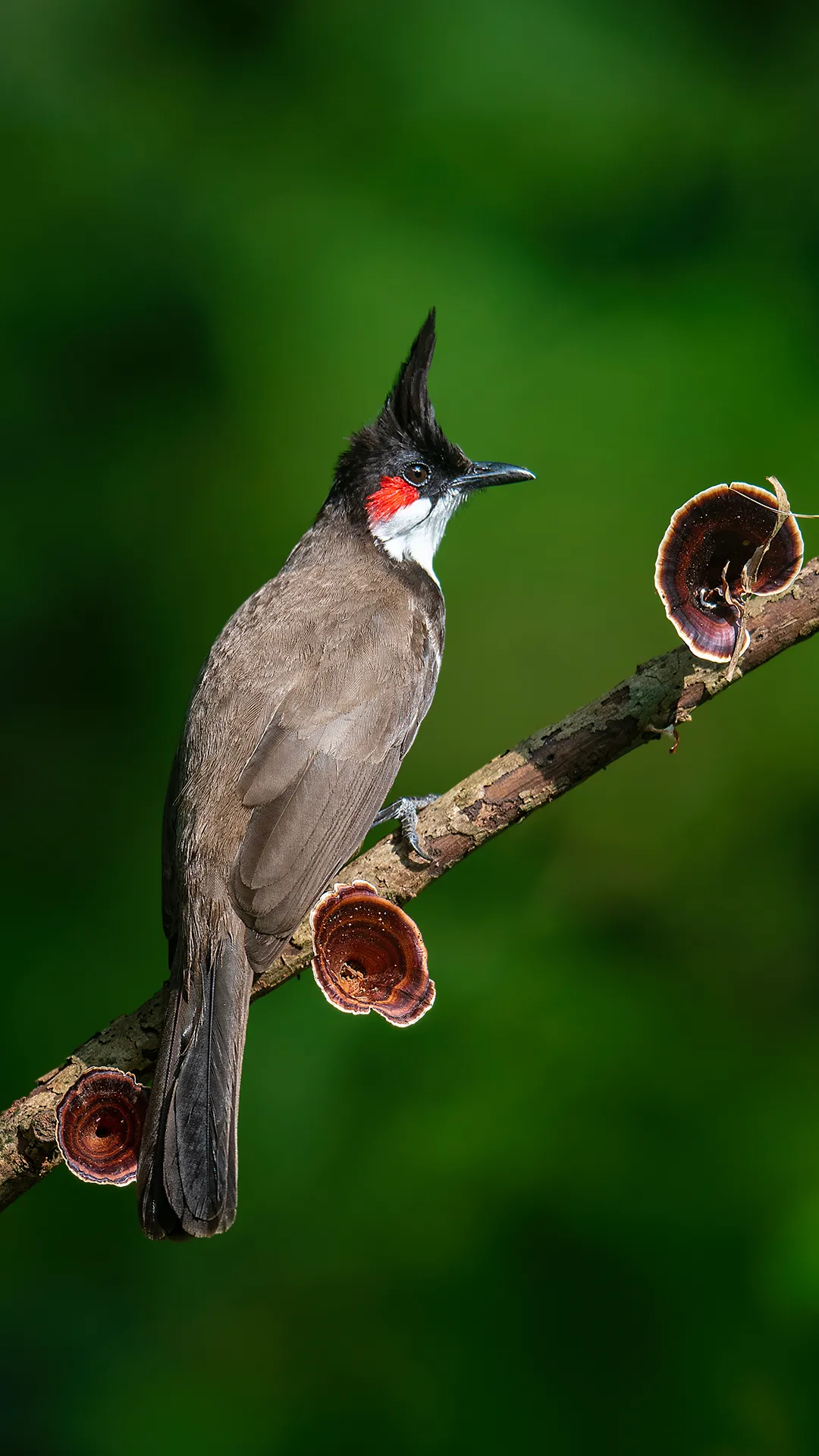
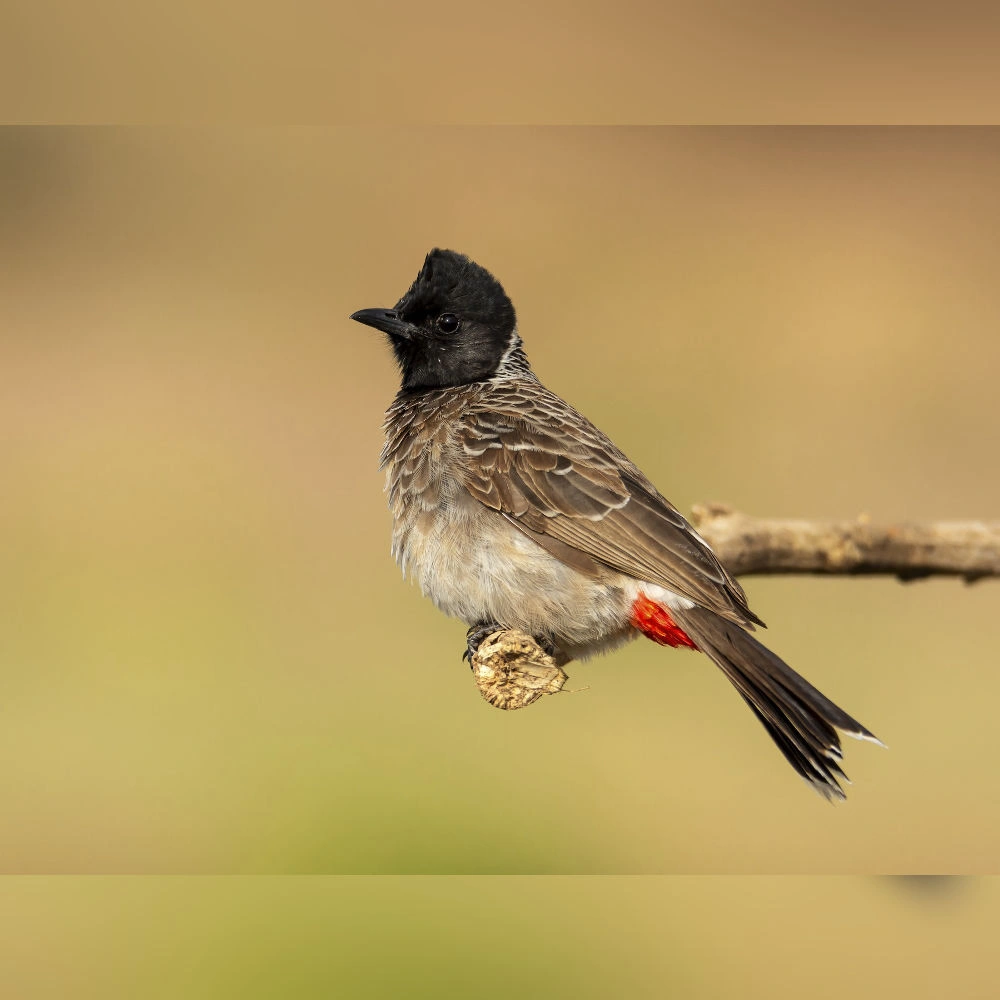
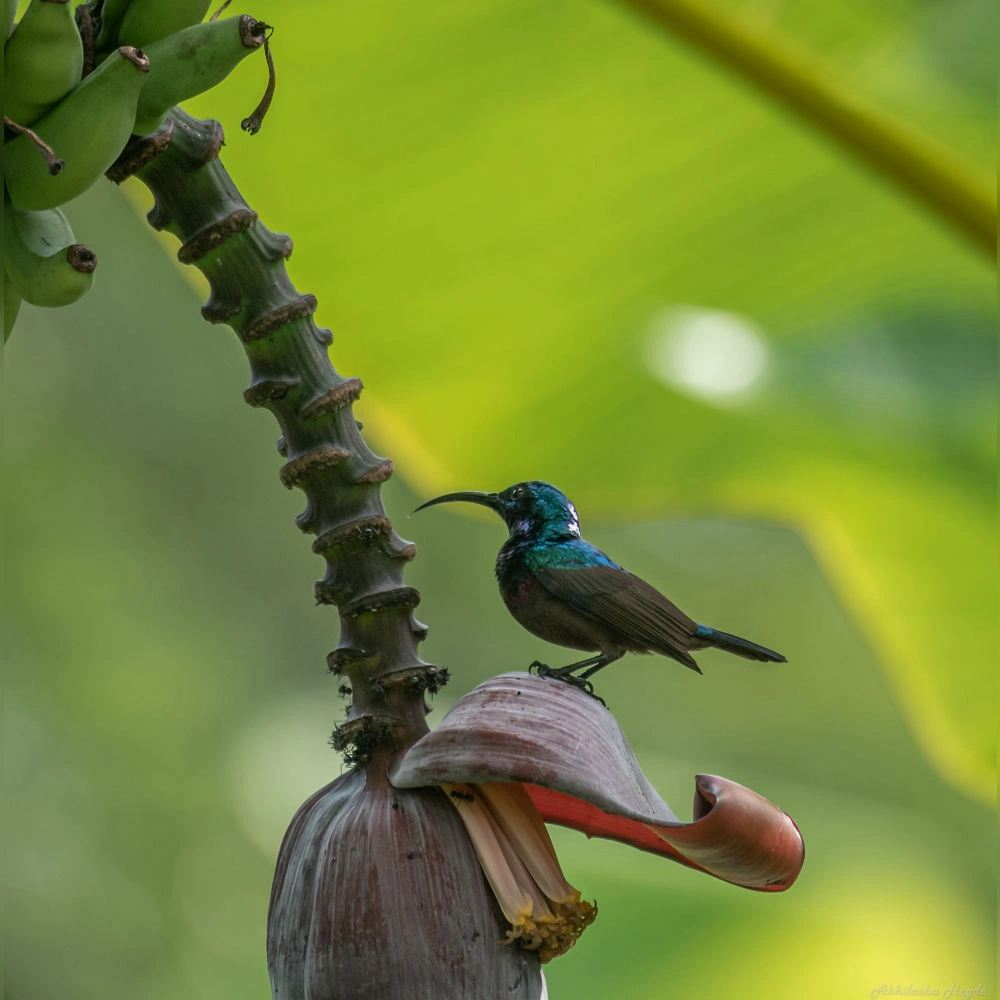
Parvati Arga’s wetlands are full of life. The Red-naped Ibis, glossy black with a crimson patch on its head, probes the damp margins and calls loudly as it flies over. The glossy Bronze-winged Jacana steps across floating leaves on very long toes. Flocks of Lesser Whistling-Ducks whistle softly as they fly in, while Indian Spot-billed Ducks dabble in the shallows. Little Cormorants gather in large groups to fish, and Indian Pond-Herons crouch patiently at the water’s edge. Eurasian Coots and Moorhens paddle among the reeds, and Red-wattled Lapwings keep a noisy watch on the banks. The White-throated Kingfisher calls from its perch, and Asian Green Bee-eaters swoop after insects. In the groves, the Common Hawk-Cuckoo, the “brain-fever bird”, calls with rising urgency, and the Greater Coucal booms from thick cover. Paddyfield Pipits run through the fields. Jungle Babblers forage in noisy family groups, and the Oriental Magpie-Robin sings sweetly. Ashy Prinias, Red-whiskered and Red-vented Bulbuls, Purple Sunbirds, Rose-ringed Parakeets and House Sparrows fill the trees and bushes around the lakes.