
Bird Walk at Kadamakkudy Wetlands, Ernakulum, Kerala
- Ernakulum
- 1 March, 2026
- Syam Sukumaran
About Kadamakkudy Wetlands
Nestled within Kerala’s intricate backwater network near Kochi in the Thrissur–Ernakulam region, Kadamakkudy Wetlands form a scenic archipelago of islands spread across brackish lagoons and tidal channels. This low-lying wetland complex is characterized by mudflats, mangroves, shallow estuarine waters, pokkali fields, and coconut-lined bunds that shift dramatically with the tides. The mix of saline and freshwater influences creates a rich estuarine habitat that supports diverse aquatic life, including fish, crabs, prawns, mollusks, and a thriving invertebrate community. Mangrove species and salt-tolerant vegetation stabilize the fragile shoreline while providing breeding and feeding grounds for numerous species.
For birdwatchers, Kadamakkudy is a dynamic coastal paradise. Egrets, herons, cormorants, and kingfishers are regular residents, while sandpipers, plovers, and other migratory waders arrive seasonally to forage along exposed mudflats. Terns skim the water surface, raptors patrol overhead, and flocks of ducks occasionally dot the open channels during winter. The wetlands play a crucial role as feeding and roosting grounds along migratory routes, making them ecologically significant far beyond their modest size. However, rapid urbanization, land reclamation, pollution, unregulated tourism, and changes in traditional pokkali farming threaten this delicate ecosystem. Sustained conservation efforts, mangrove protection, and community-based stewardship are essential to preserve Kadamakkudy’s unique wetland heritage — ensuring that its tranquil waters continue to sustain both biodiversity and local livelihoods.
Partnered with

Bird Guide - Syam Sukumaran
He is an experienced bird guide with over 10 years of birdwatching and photography, specialising in wetland birds and with strong expertise in raptors. A regular traveller across the green landscapes of South India, he brings solid regional knowledge and an engaging, field-based approach to birding.

Bird walk Location
Common birds of Kadamakkudy Wetlands
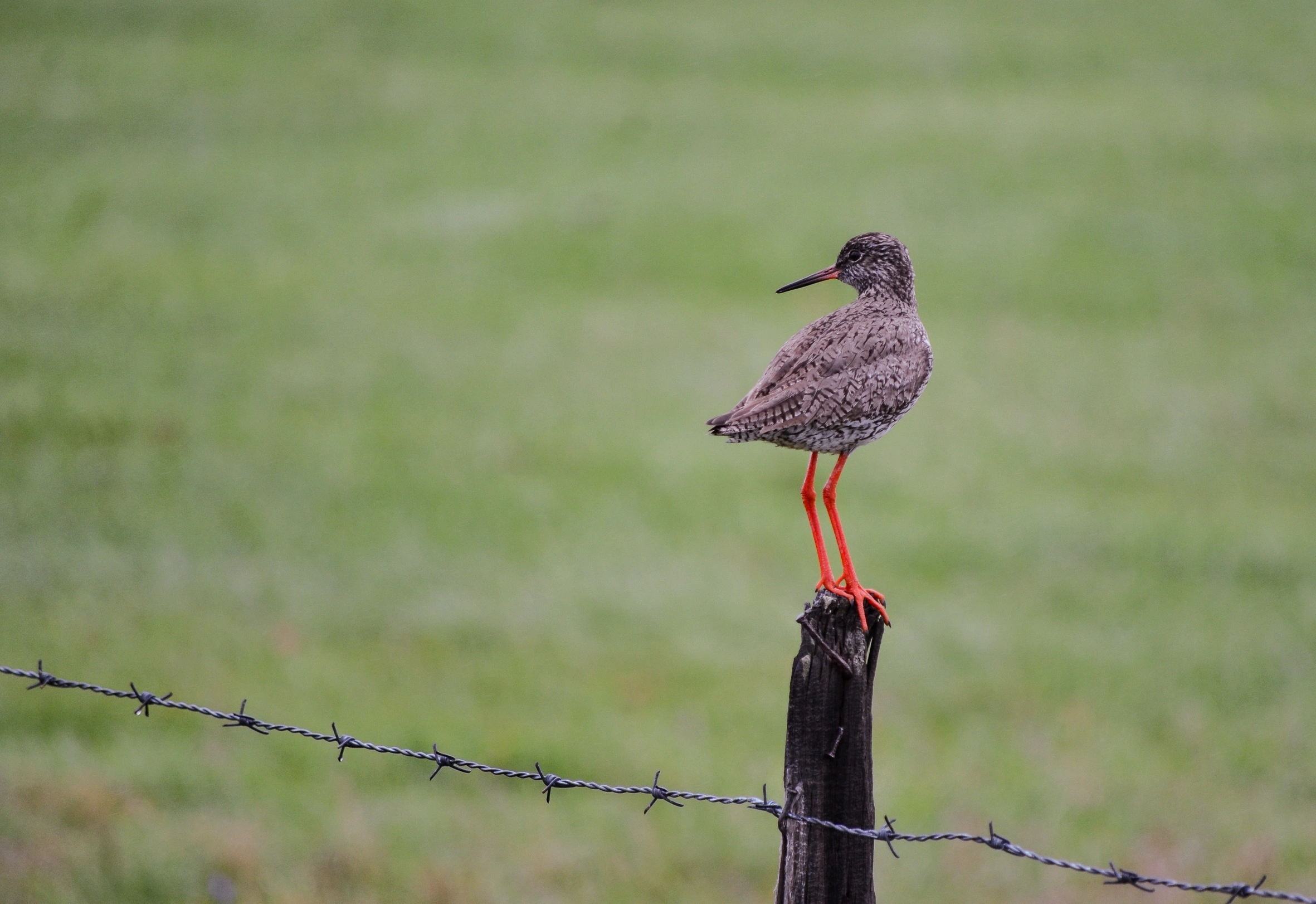
The wetlands come alive with an exciting mix of resident and migratory birds, offering birdwatchers something special in every corner. Along the water’s edge, elegant waders like the Common Redshank, Common Greenshank, Wood Sandpiper, Common Sandpiper, and Greater Sand Plover probe the mudflats, while striking Black-winged Stilts stride gracefully through the shallows. Overhead, the powerful Osprey scans the water for fish, joined by the ever-watchful Brahminy Kite gliding against the sky. The marshes echo with the calls of Grey-headed Swamphens, White-breasted Waterhens, and the secretive Watercock, while flocks of Lesser Whistling Ducks and Spot-billed Ducks rest peacefully on open waters.
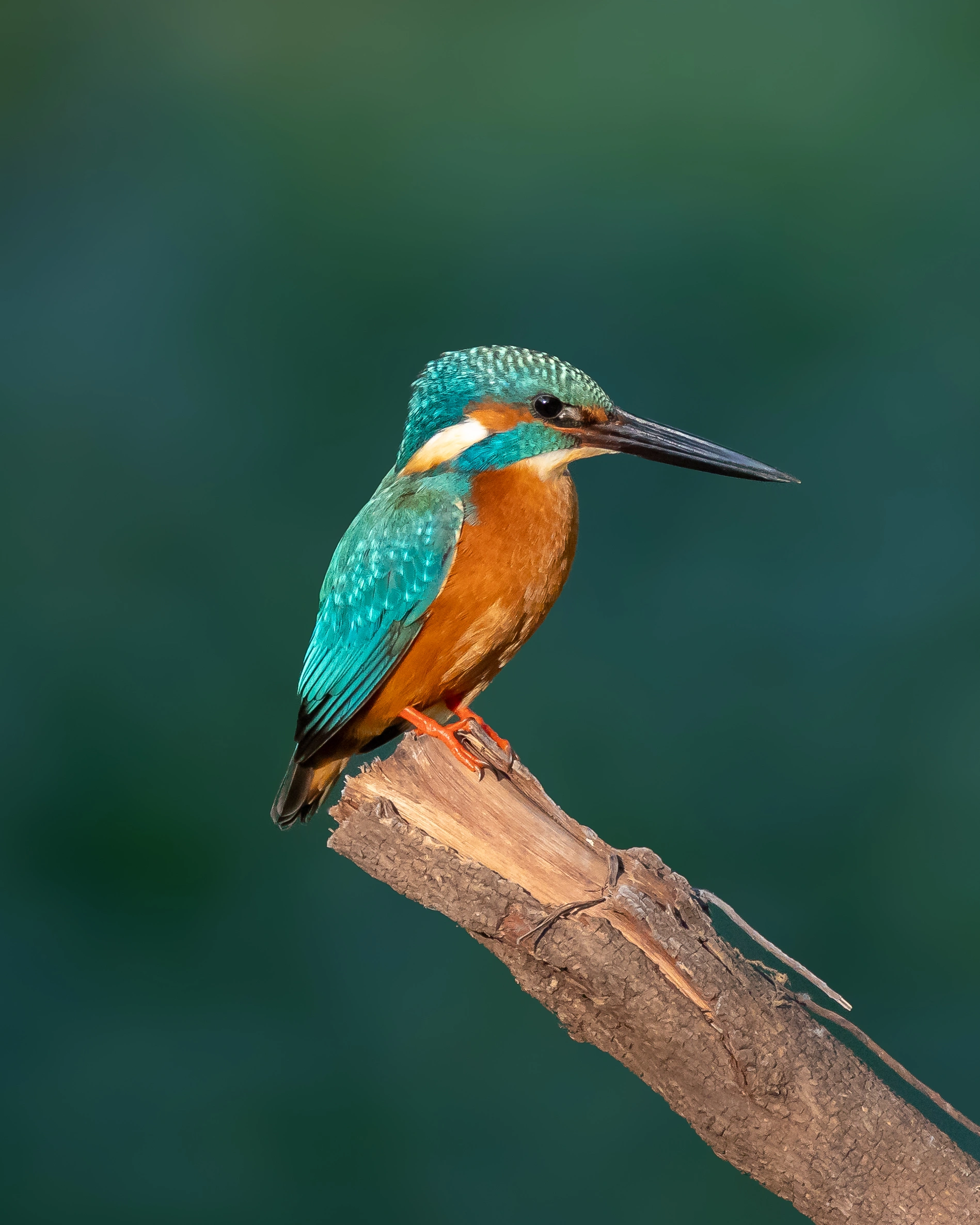
Adding flashes of color are kingfishers, from the familiar Common Kingfisher and White-throated Kingfisher to the vibrant Black-capped Kingfisher, diving swiftly for their catch. Tall silhouettes of Grey Herons, Egrets, Cormorants, and the stately Black-headed Ibis create a classic wetland scene, while agile Whiskered Terns skim low over the surface. In nearby groves, the calls of the Asian Koel and the golden brilliance of the Golden Oriole brighten the canopy, and the deep notes of the Greater Coucal complete the soundscape. Together, these species paint a vivid portrait of a thriving wetland ecosystem, making every visit a rewarding and unforgettable birding experience.

Common Kingfisher

RedShank

Greenshank
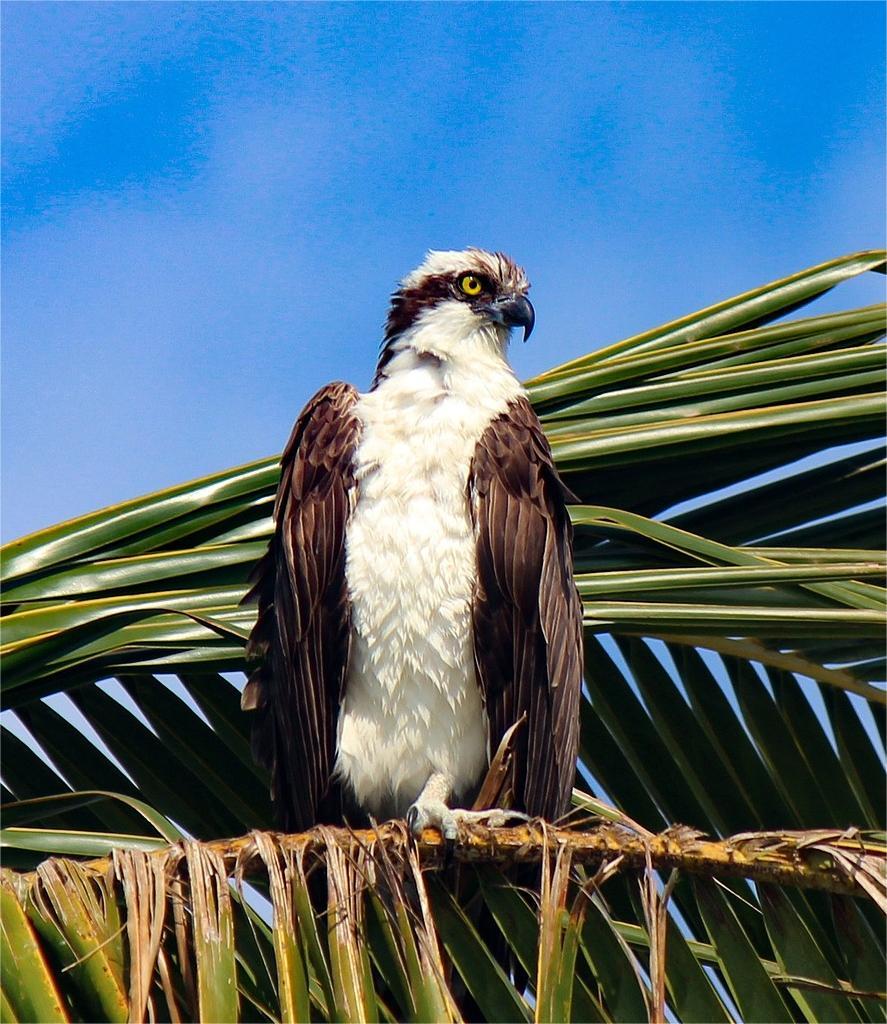
Osprey
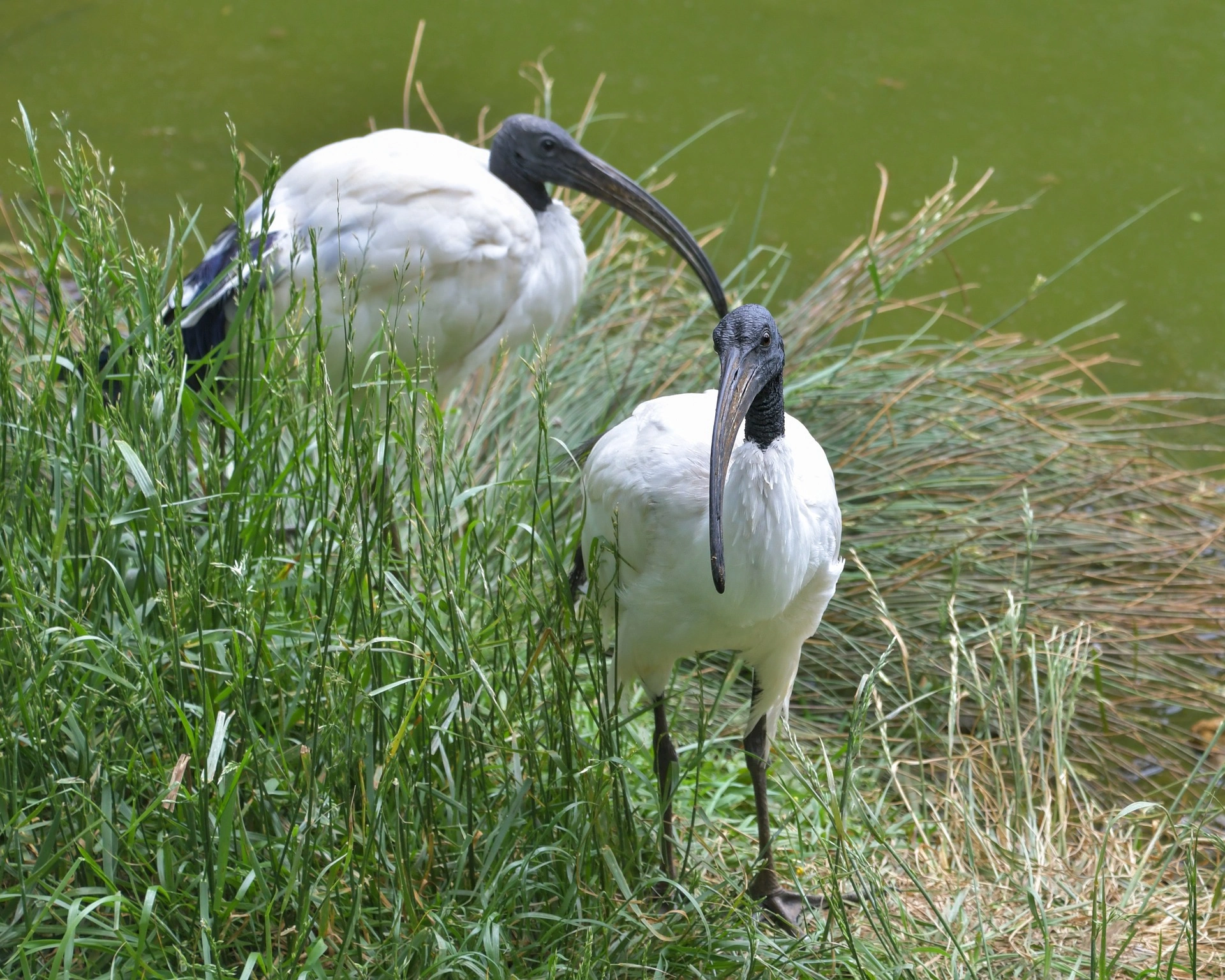
Black Headed Ibis
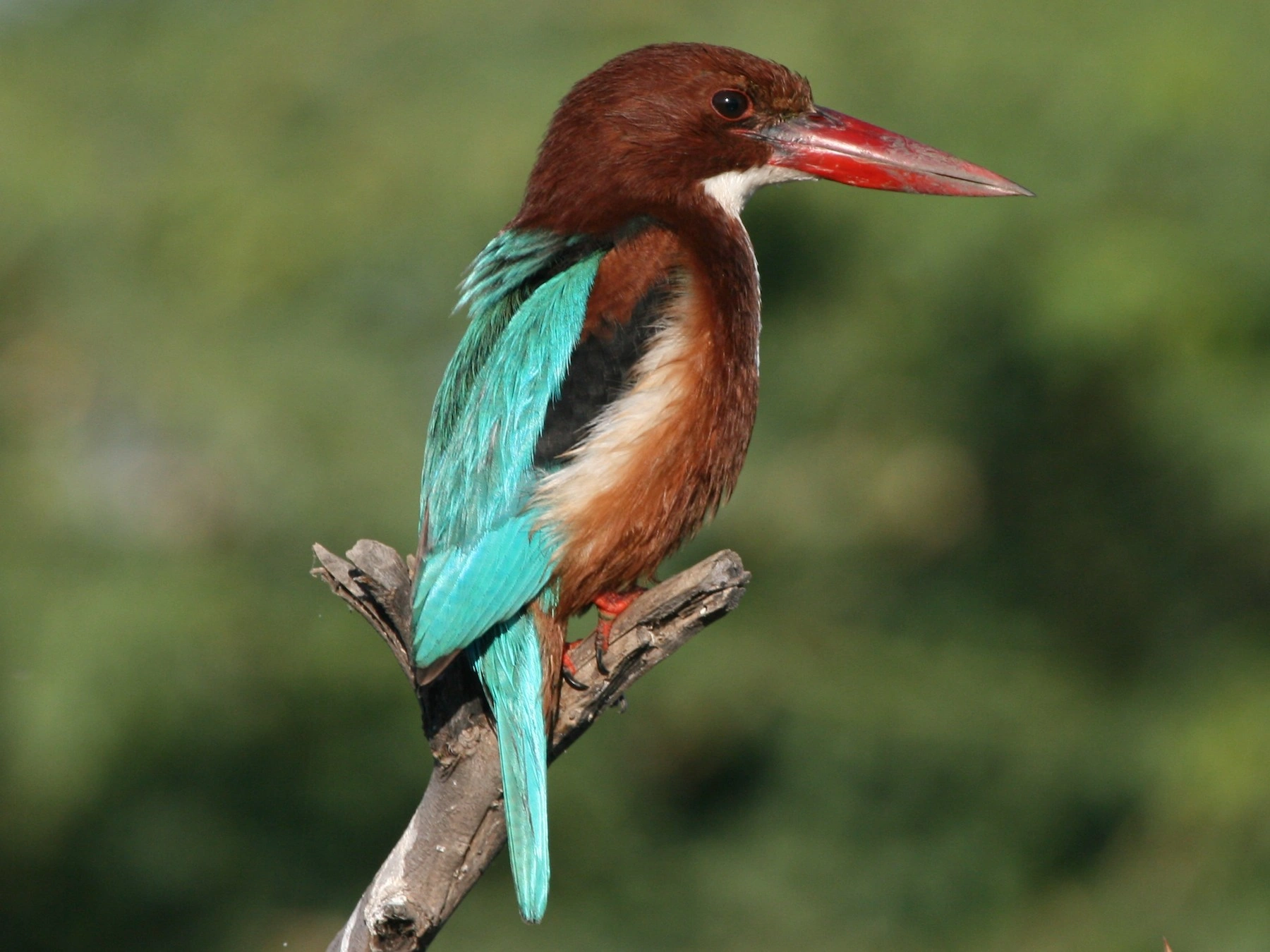
White-Throated Kingfisher
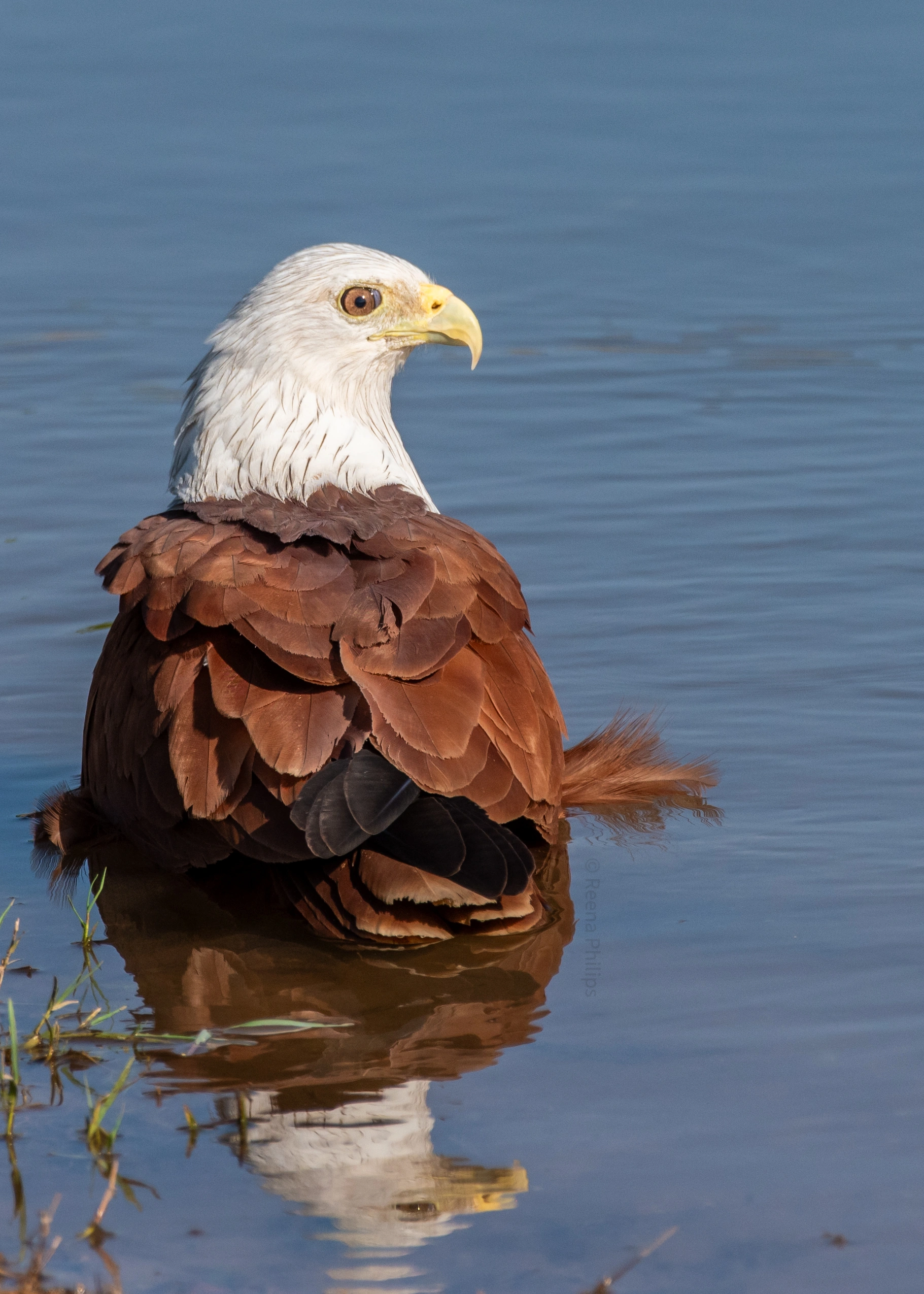
Brahminy Kite
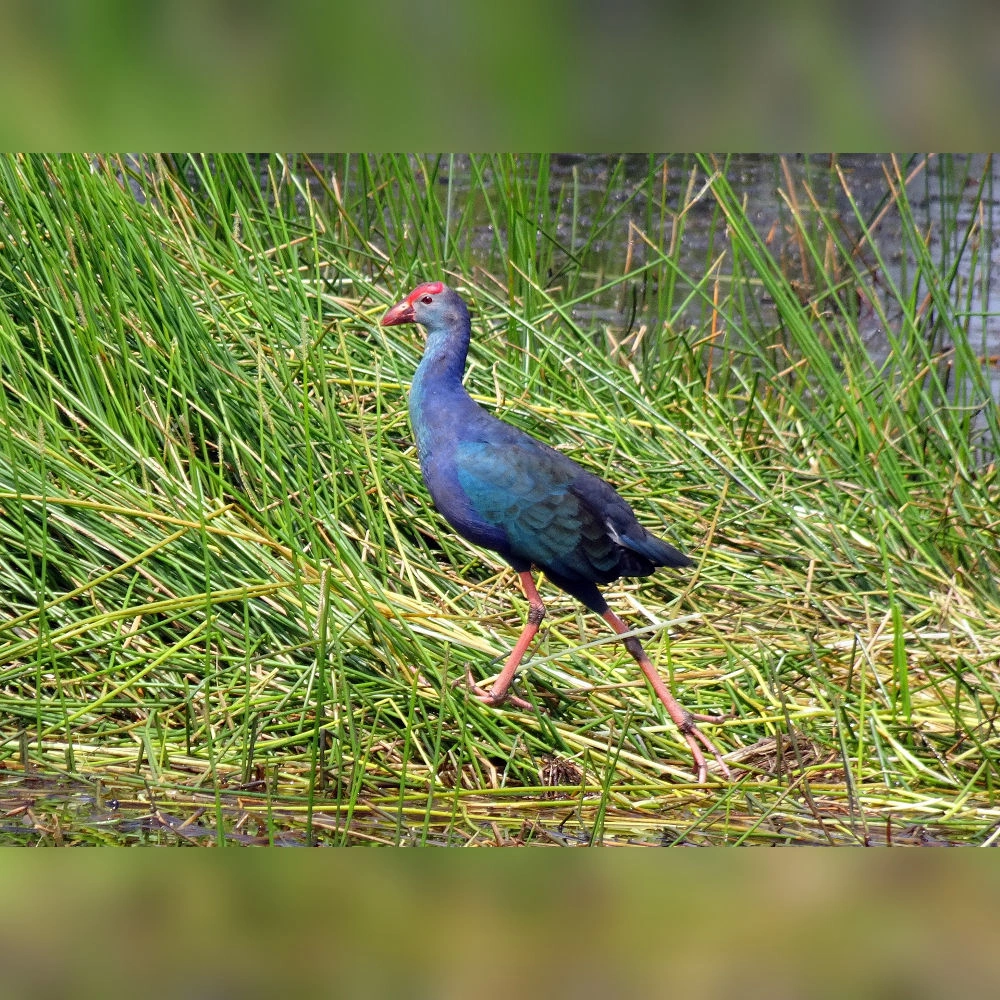
Grey Headed Swamphen
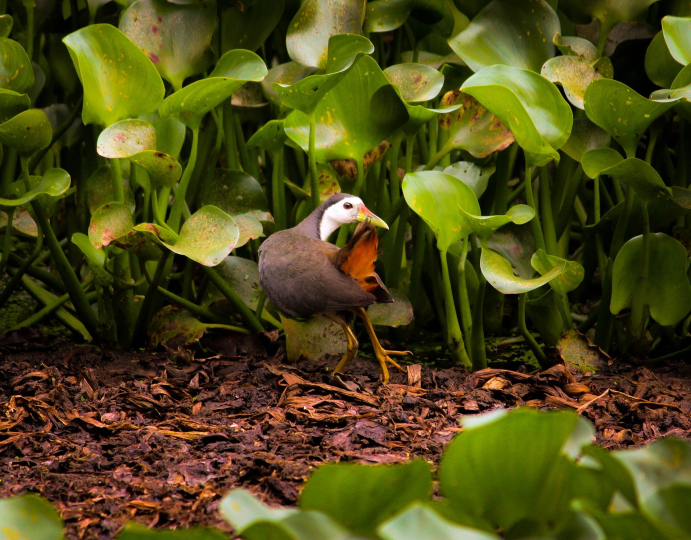
White Breasted Waterhen
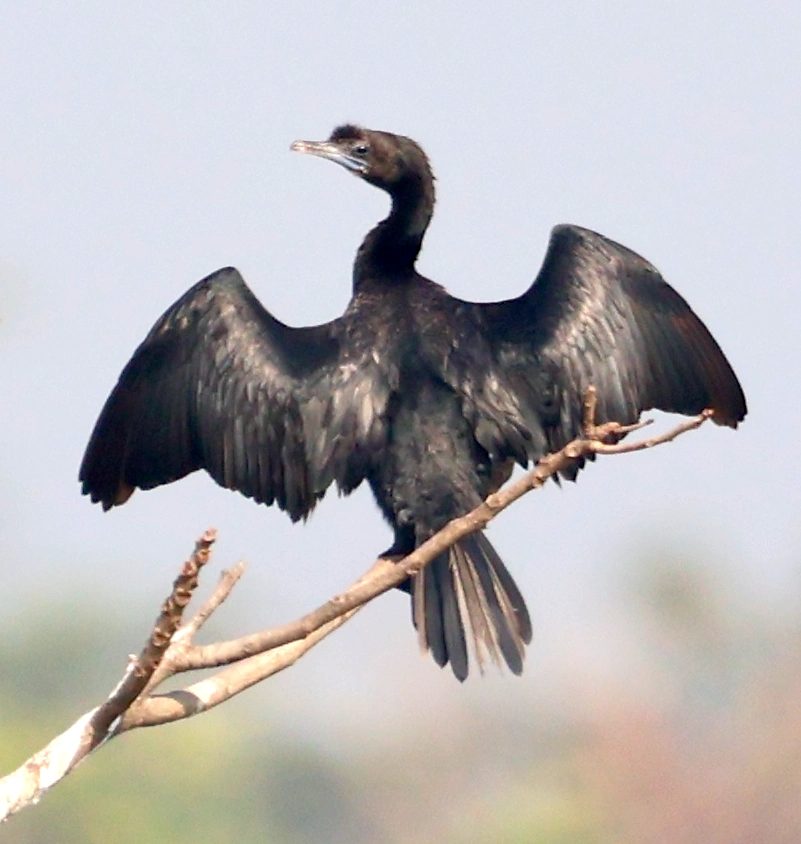
Little Cormorant
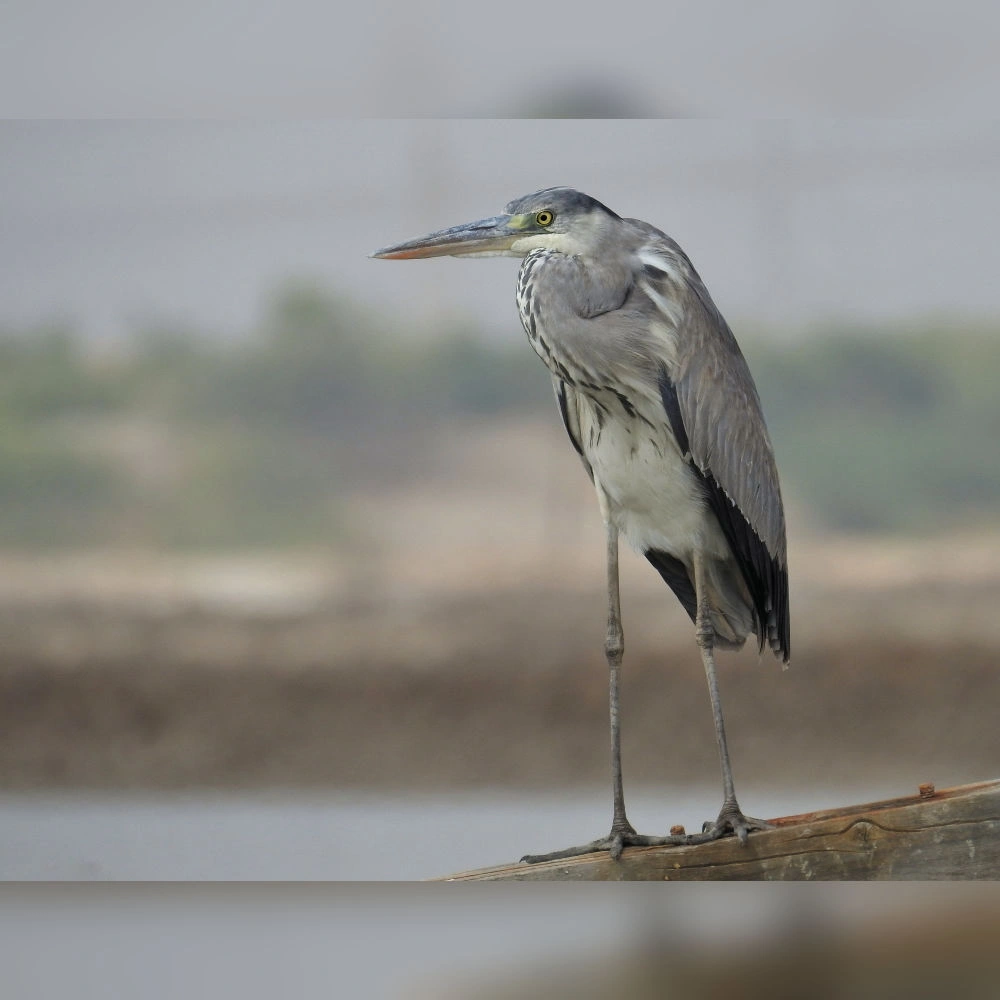
Grey Heron
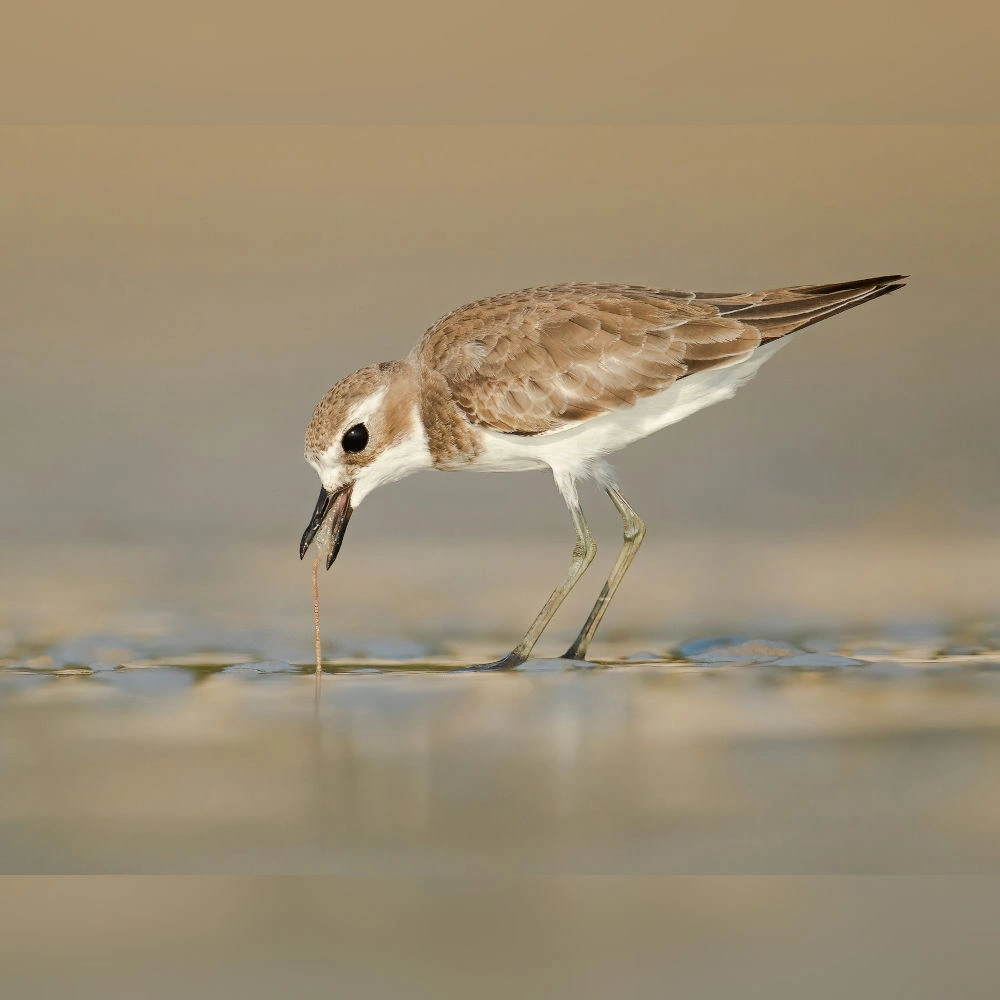
Greater Sand Ploover
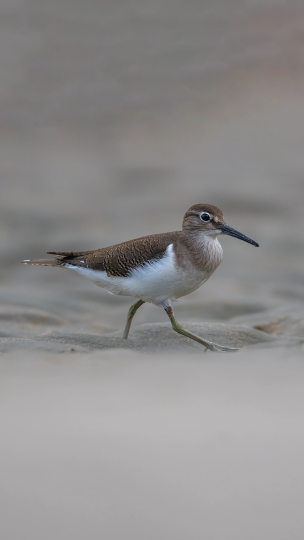
Common Sandpiper
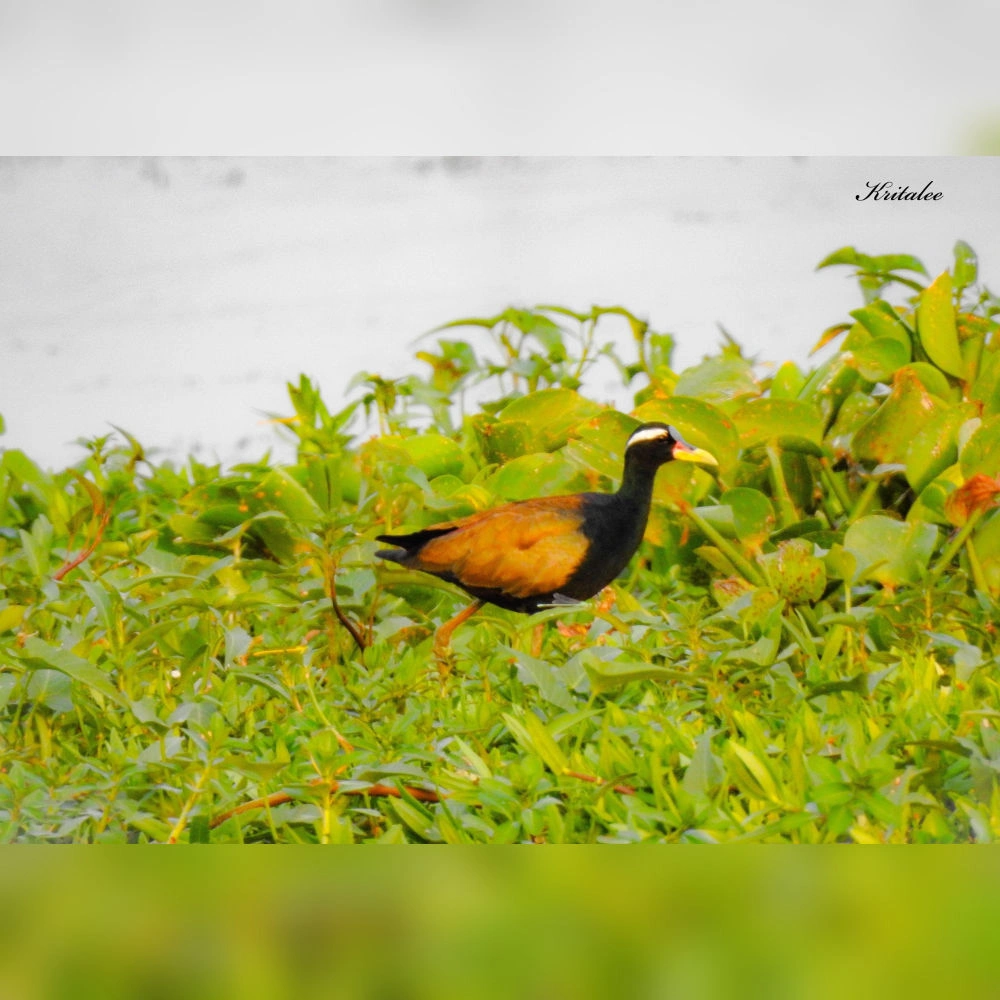
Bronze-winged Jacana
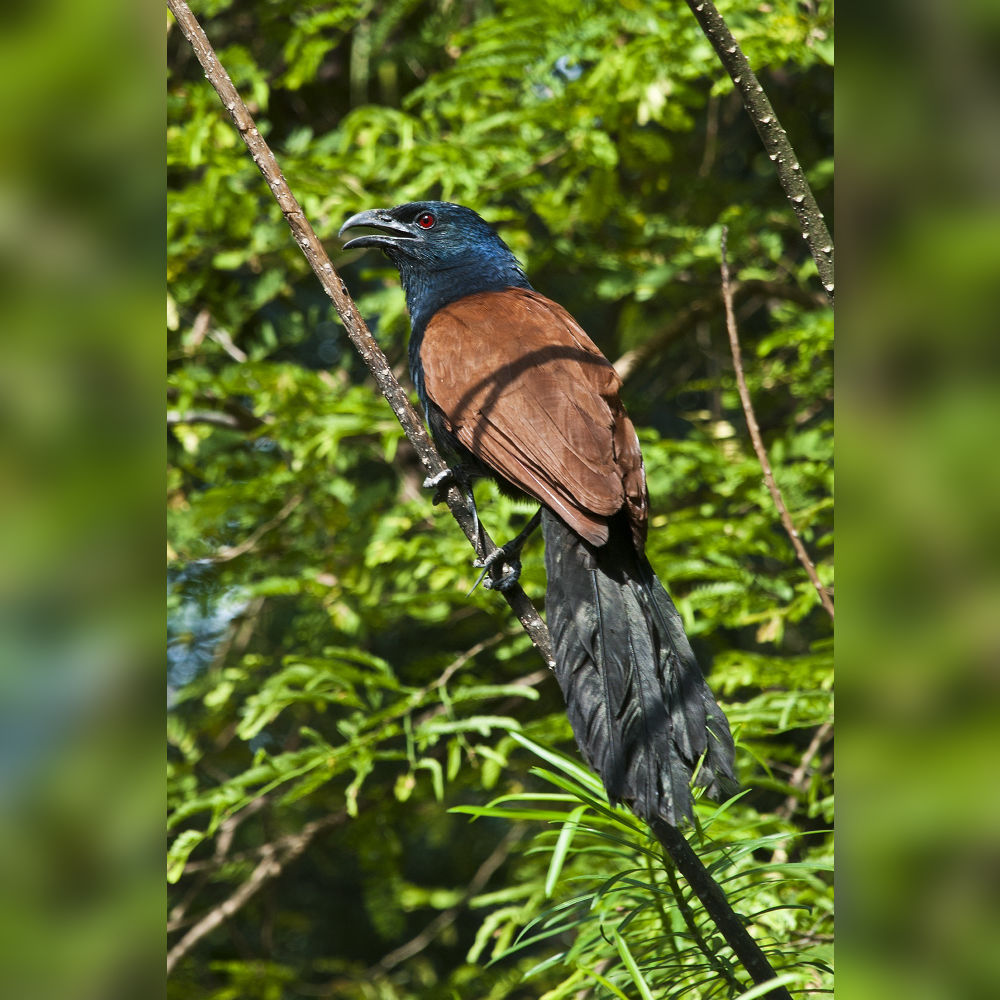
Greater Coucal

Asian Koel
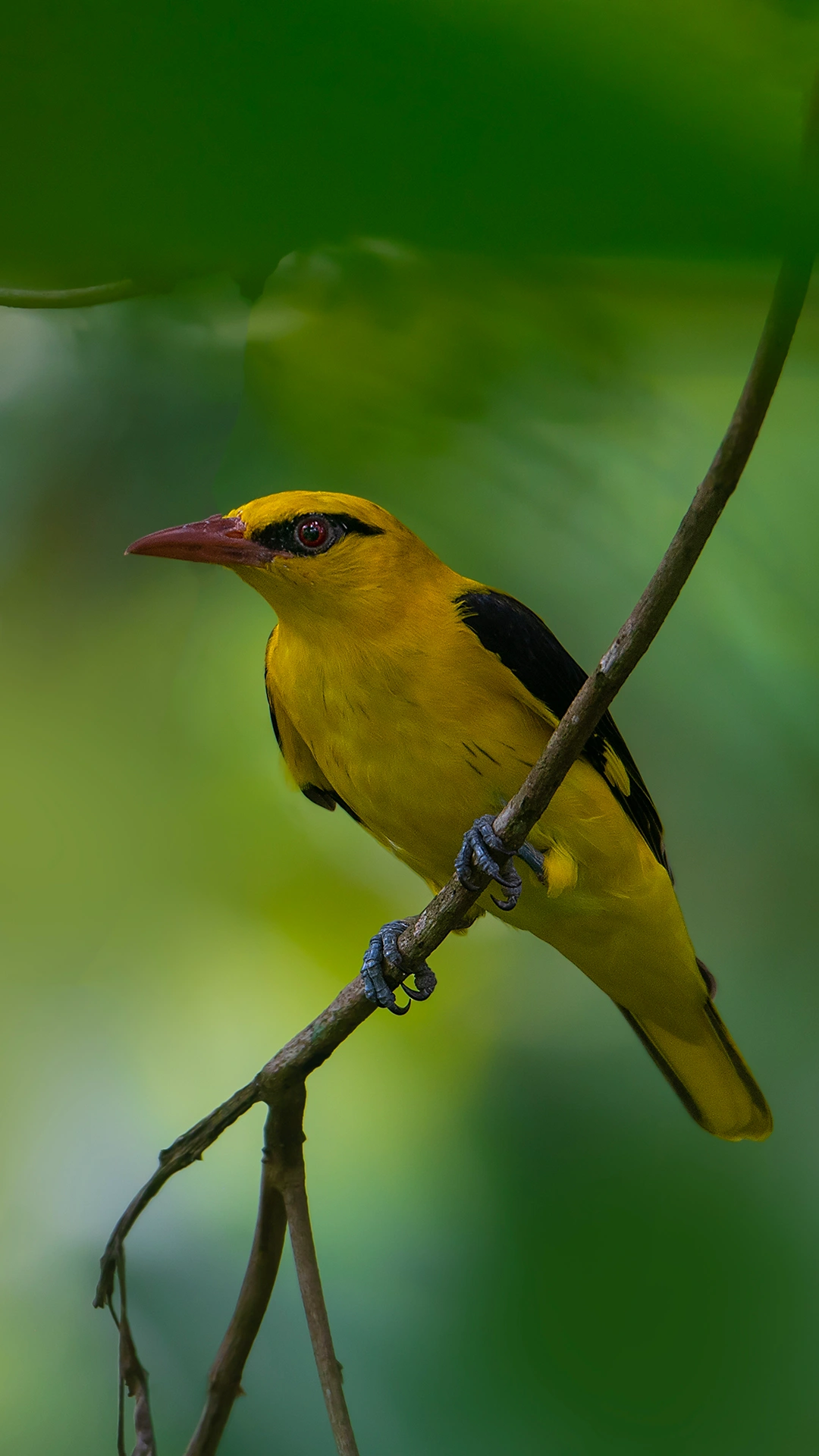
Golden Oriole
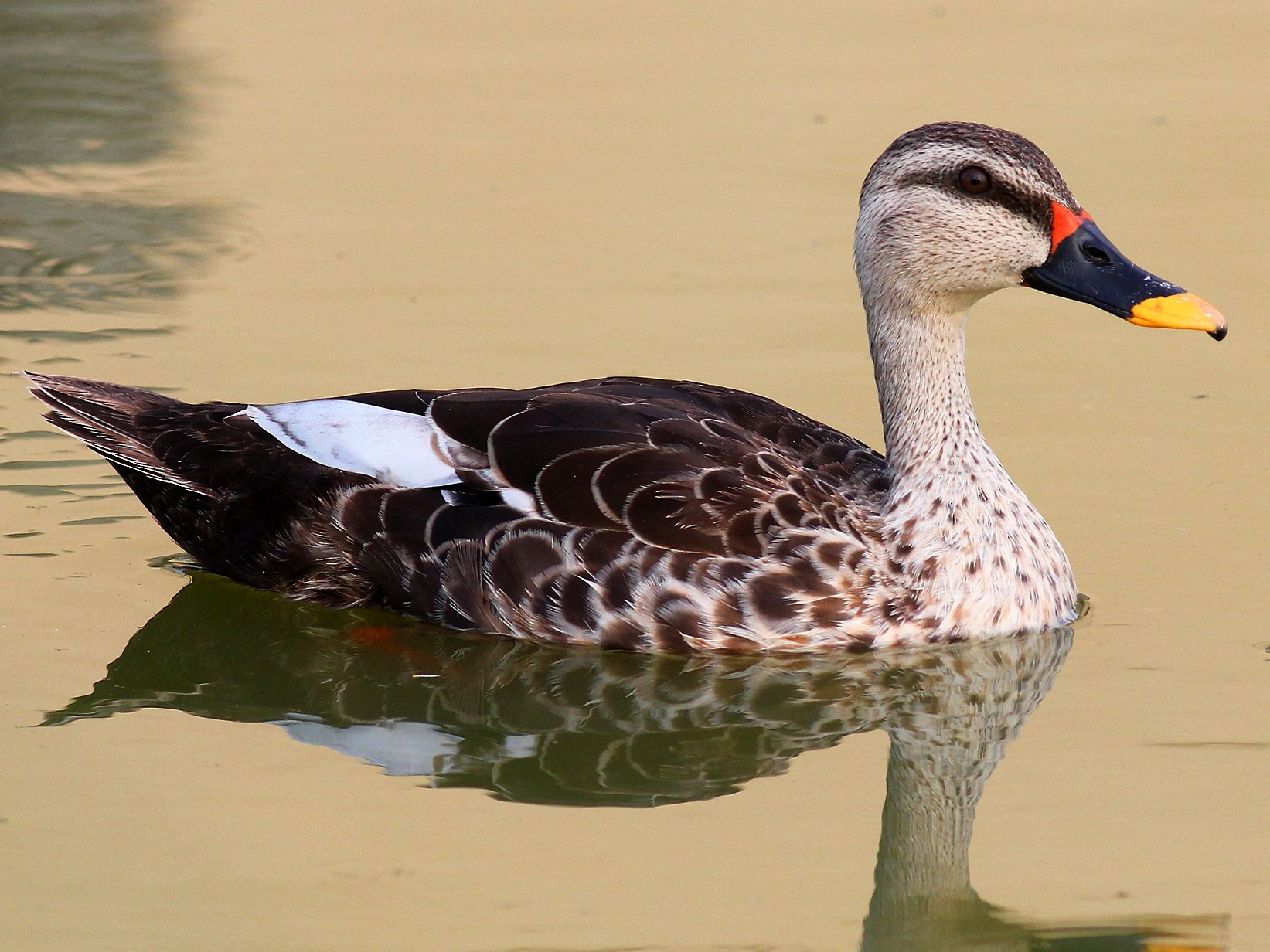
Spot Billed Duck
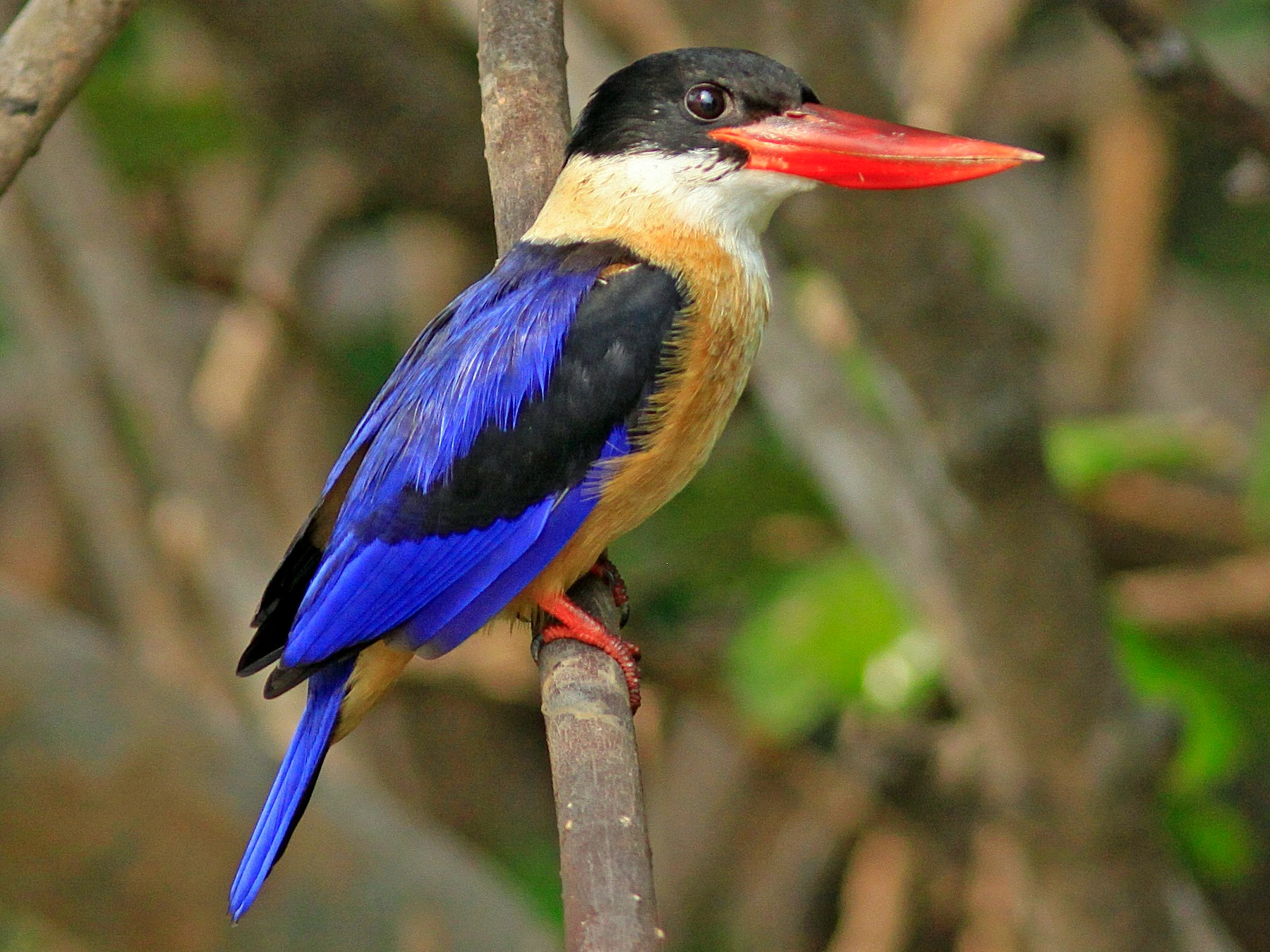
Black-capped Kingfisher
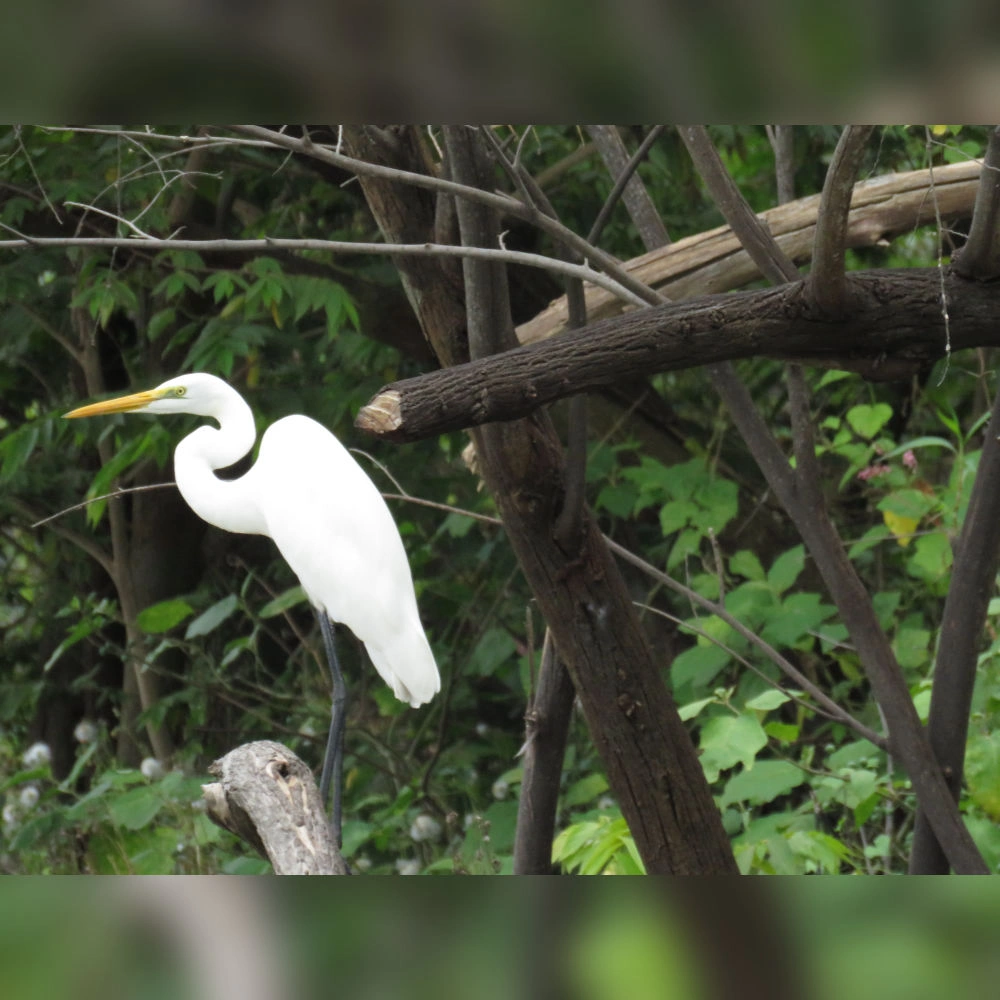

Great Egret
Summary of Walk
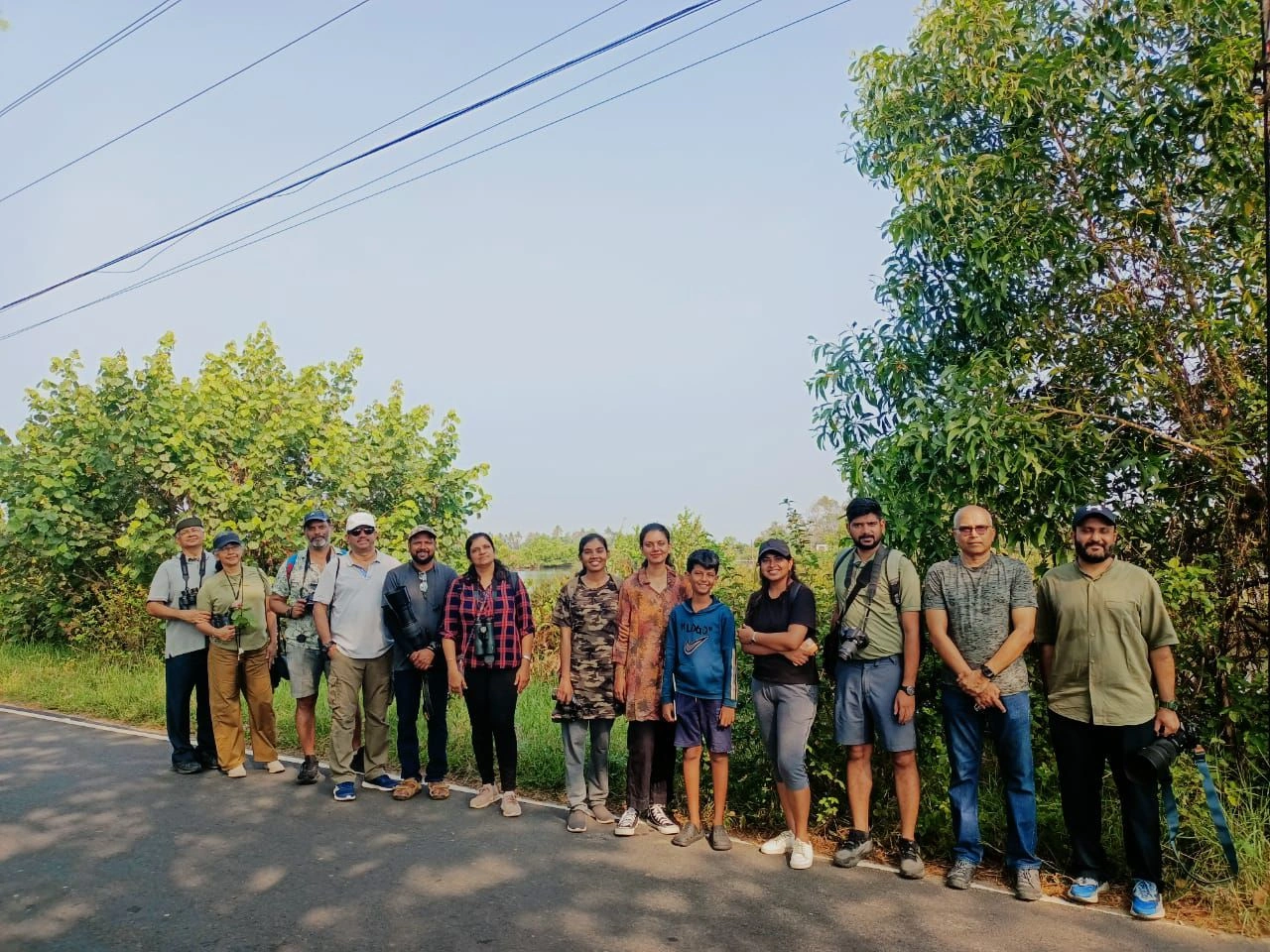
The bird walk at Kadamakkuddy wetlands in Kerala was led by bird expert Syam Sukumaran and attended by 13 participants. The group recorded 31 species, including Pacific Golden Plover and Blyth’s Warbler. The wetland habitat provided excellent opportunities to observe migratory shorebirds alongside resident species.
Syam guided participants in identifying waders by leg color, bill shape, and feeding technique. He shared interesting facts about migration and habitat conservation, making the session especially meaningful for first-time birders. The enthusiasm of a young participant added to the energy of the walk, and the experience left everyone excited about exploring birdwatching further.
Number of Participants
0