


Loading Events

Bird Walk at Jiwaji University Campus, Gwalior, MP

About Jiwaji University Campus

Jiwaji University in Gwalior, Madhya Pradesh, is set on a sprawling urban campus of about 225 acres, offering not just academic and residential spaces but also significant green cover that supports a variety of life beyond classrooms and laboratories. The campus lies within a semi-arid, dry deciduous landscape typical of central India, with planted avenues, gardens, open lawns, and patches of native vegetation interspersed among built areas. This mix of habitat types—from shady trees and hedges to open lawns and scrubby margins—provides resources for a rich community of plants and animals. Surveys have documented diverse flora including native trees and flowering plants that sustain insect and bird life, and ecological studies have recorded around 40 butterfly species from five families on campus, reflecting healthy nectar and host-plant availability throughout the year. Avian surveys similarly report 100 + bird species across resident and seasonal visitors, making the campus a rewarding spot for birding and biodiversity observation, with species from pigeons and bulbuls to sunbirds and raptors represented.

Despite these values, the campus environment faces conservation issues common to urban green spaces. Fragmentation of habitat by construction, unmanaged tree-felling, and human disturbance can reduce the quality and connectivity of green patches that butterflies, birds, and other wildlife depend on. Recent reports highlight conflicts over the cutting of mature trees without clear ecological planning, underlining challenges in balancing infrastructure needs with habitat protection. Such pressures can lead to declines in sensitive species and disrupt nesting or foraging patterns. Effective conservation on campus would benefit from proactive green management—protecting existing large trees, promoting native plantings, and integrating campus planning with biodiversity monitoring and awareness among students and staff—so that the ecological richness documented in studies continues to thrive alongside the university’s academic mission.

Bird Guide: Ahinsa Jain

Ahinsa Jain is a dedicated bird watcher and nature enthusiast from Gwalior, actively promoting awareness about bird conservation through her field experiences.

Bird walk Location

Common birds of Jiwaji University Campus

Jiwaji University campus is a lively haven for birds, with an impressive 106 species recorded, making everyday walks feel like a mini nature trail. Iconic residents such as the Indian Peafowl add drama with their calls and displays, while familiar urban companions like the Common Myna, Rock Pigeon, and Rose-ringed Parakeet thrive alongside quieter green spaces. The trees echo with the metallic calls of the Coppersmith Barbet and Brown-headed Barbet, the melodious notes of the Asian Koel, and the cheerful chatter of Jungle Babblers and Large Grey Babblers moving in social flocks. Open grounds host alert Red-wattled Lapwings and graceful Spotted and Laughing Doves, while perches and wires are claimed by Black Drongos, Rufous Treepies, and the elegant Brahminy Starling. Adding splashes of color and energy are birds like the Purple Sunbird, Indian Robin, Red-vented Bulbul, and other woodland and scrub associates. Together, this rich birdlife reflects the campus’s mosaic of habitats and makes Jiwaji University a rewarding destination for students, visitors, and bird enthusiasts alike.
Coppersmith Barbet
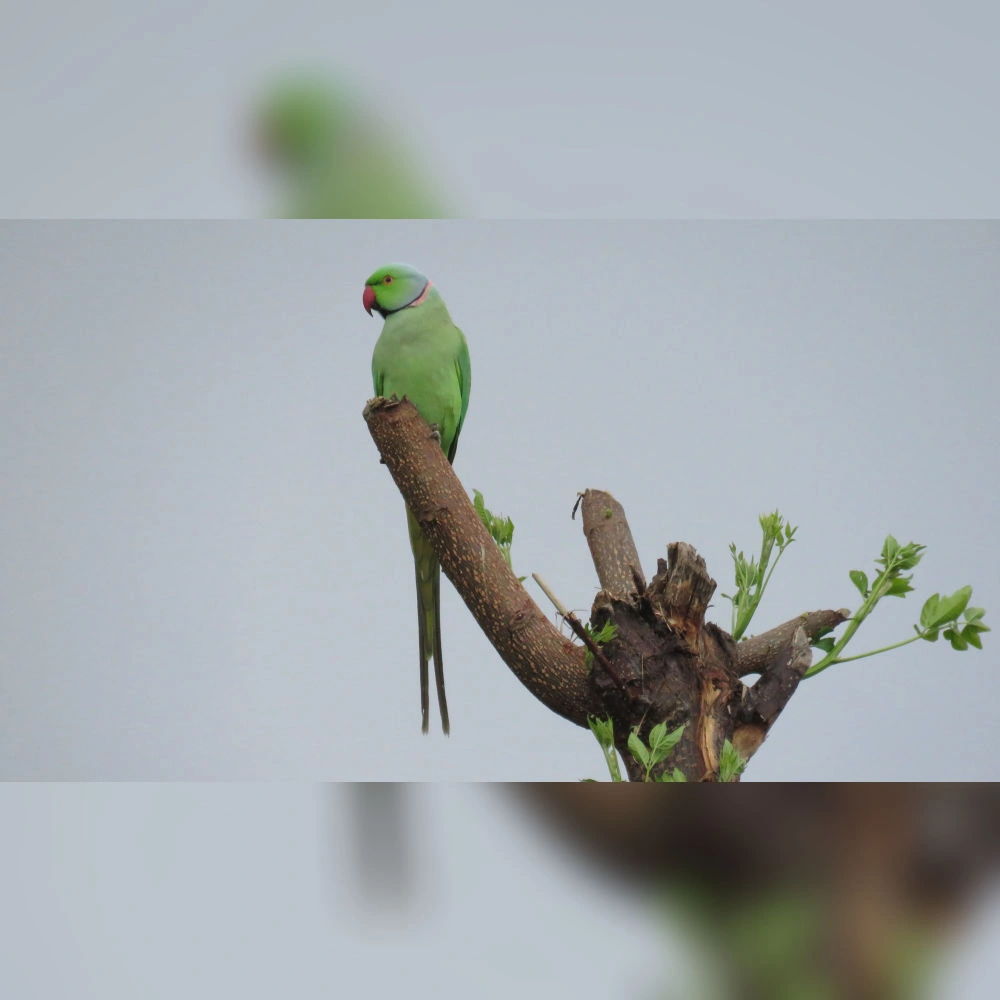
Rose-ringed Parakeet
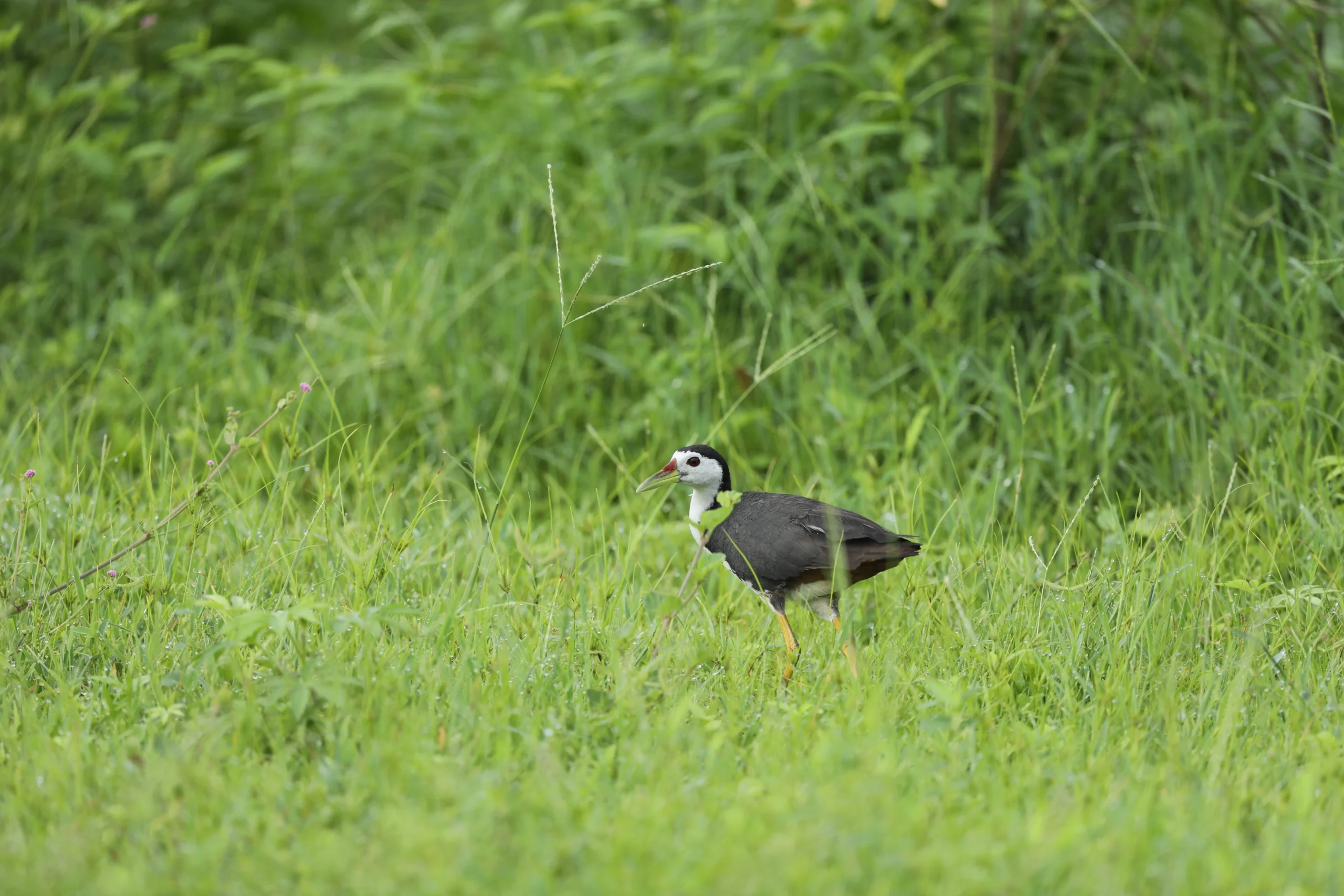
White-breasted Waterhen
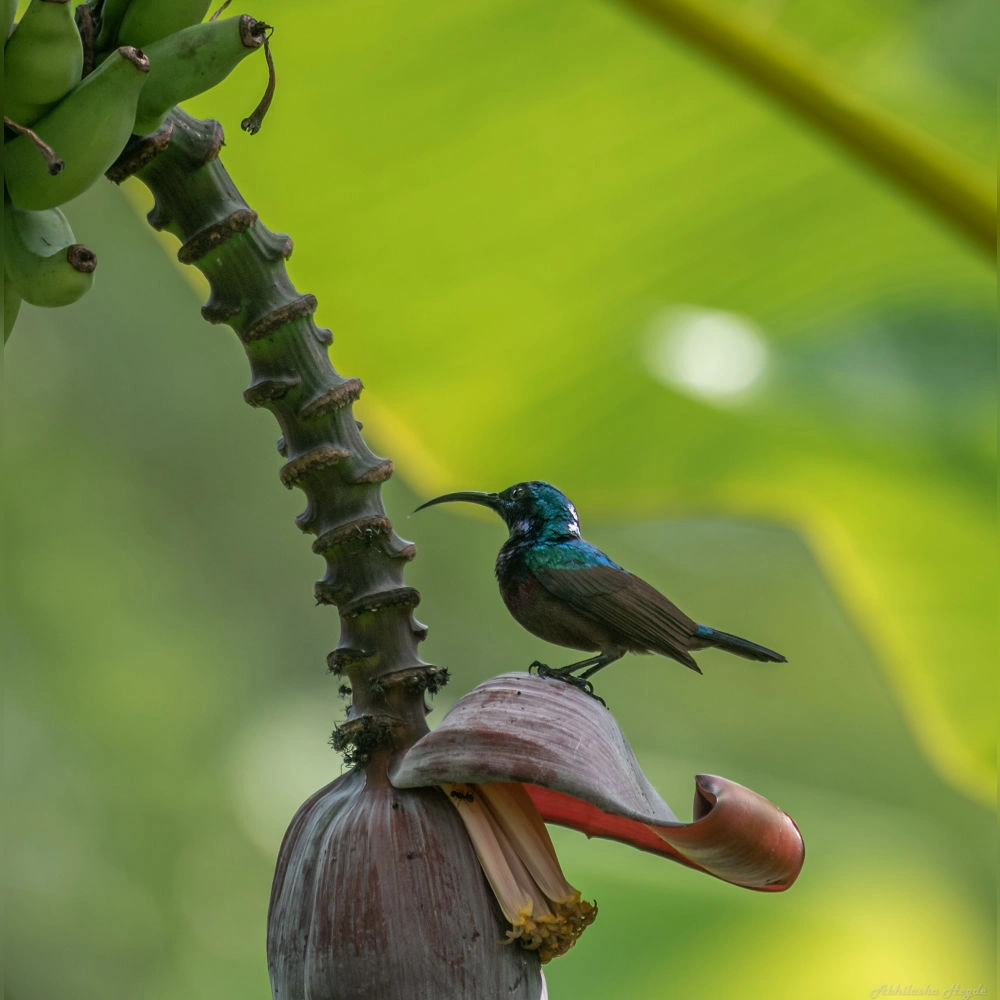
Purple Sunbird
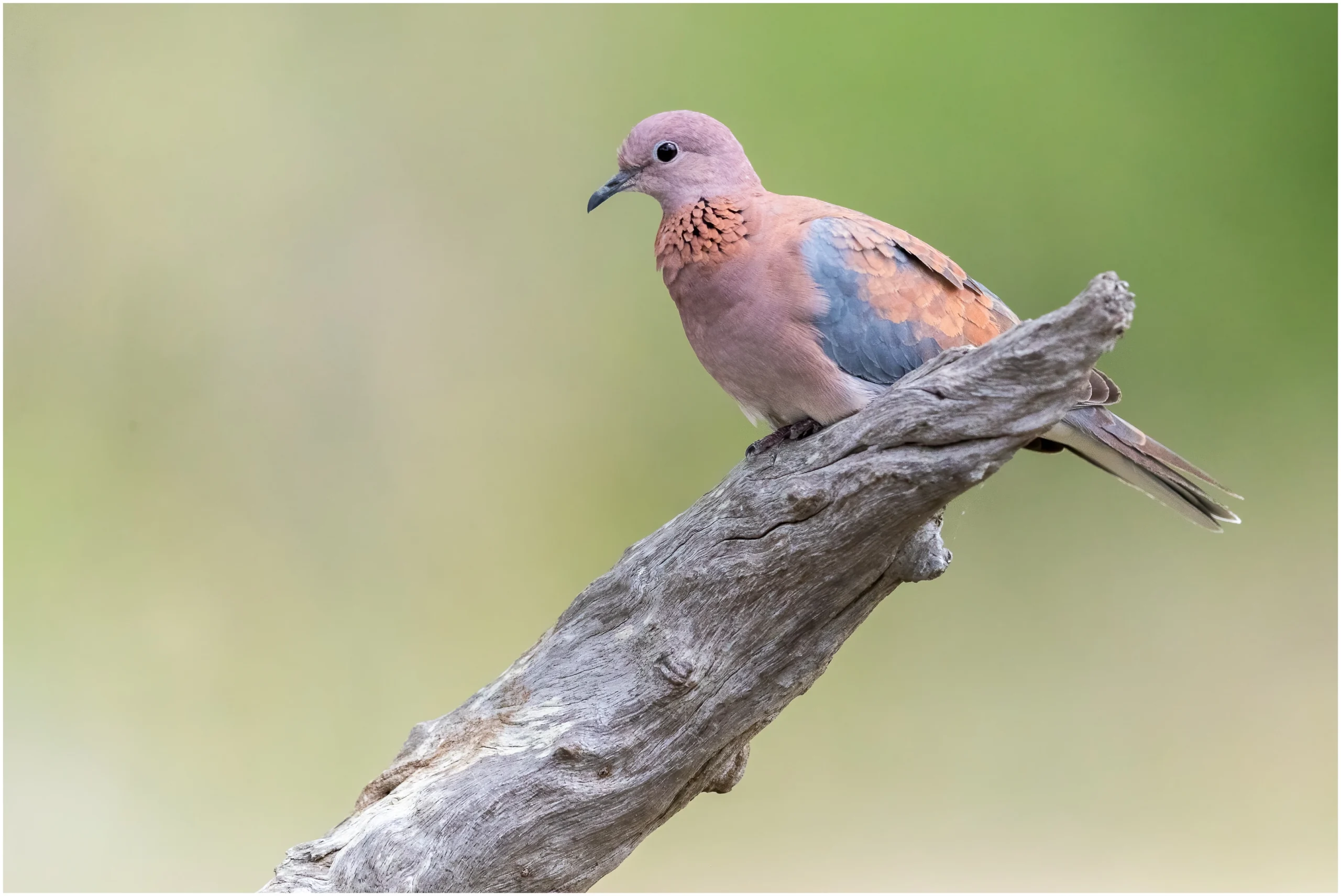
Laughing Dove
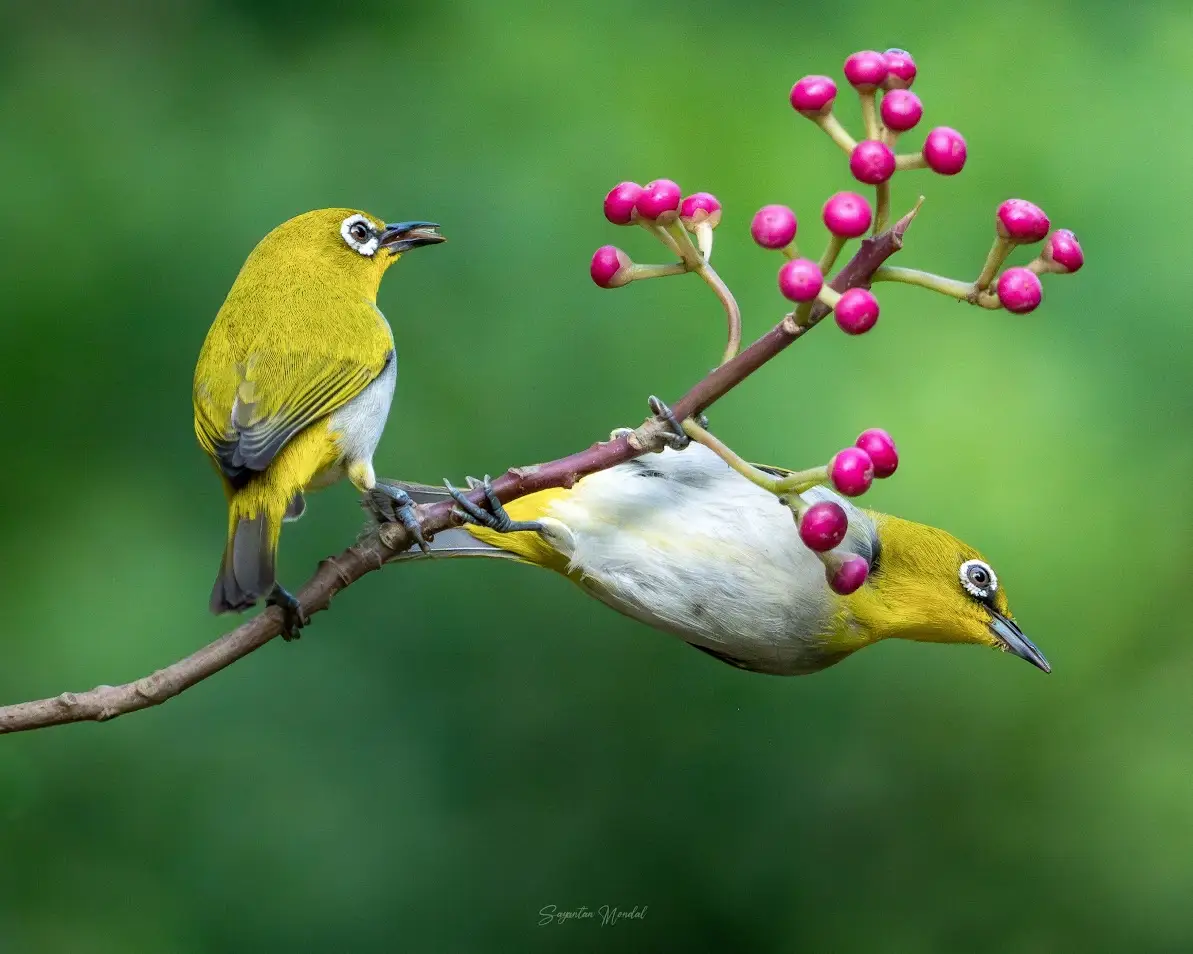
Indian White Eye
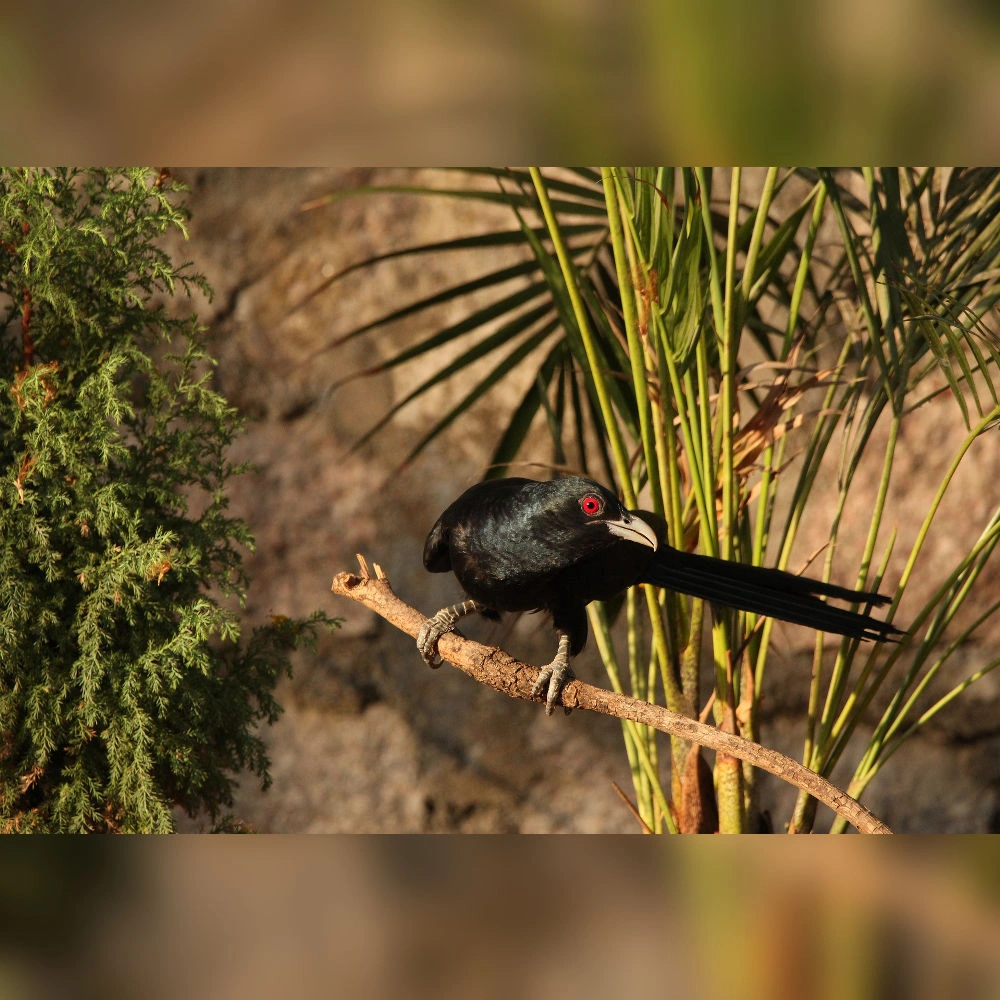
Asian Koel
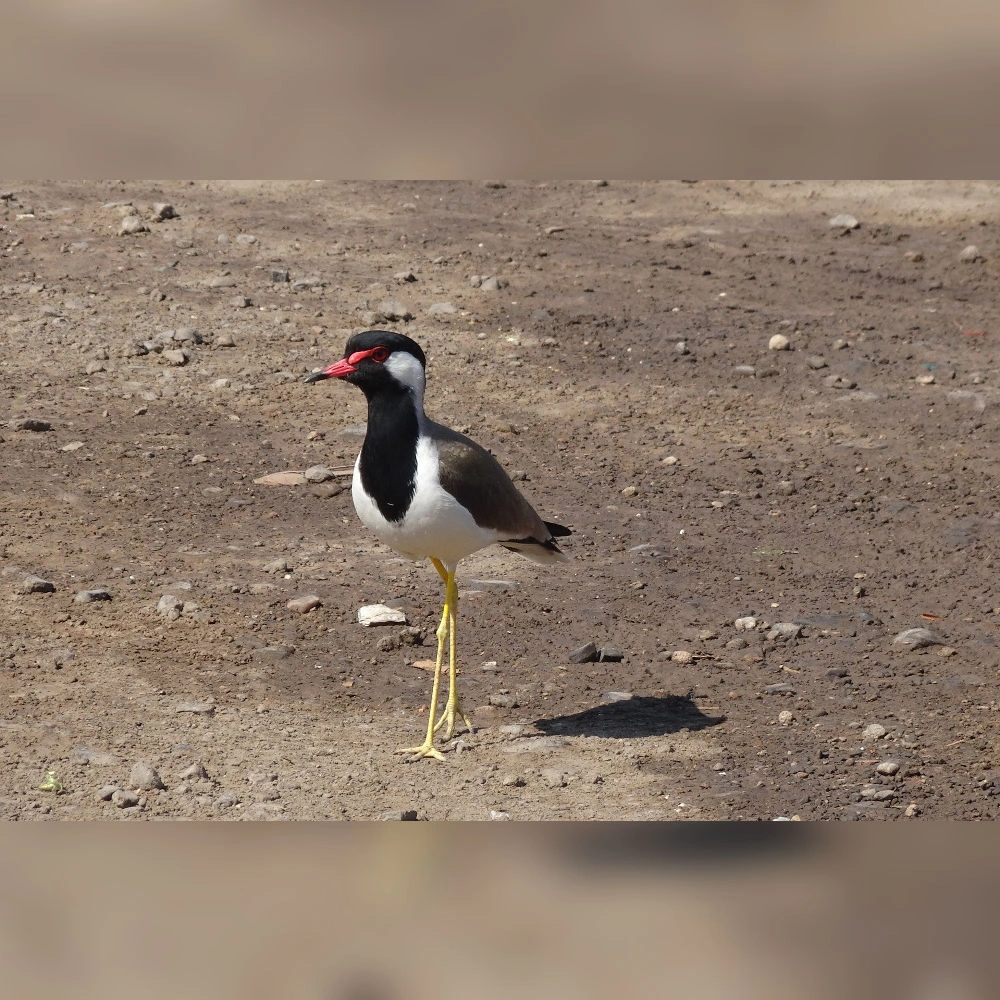
Red-wattled Lapwing
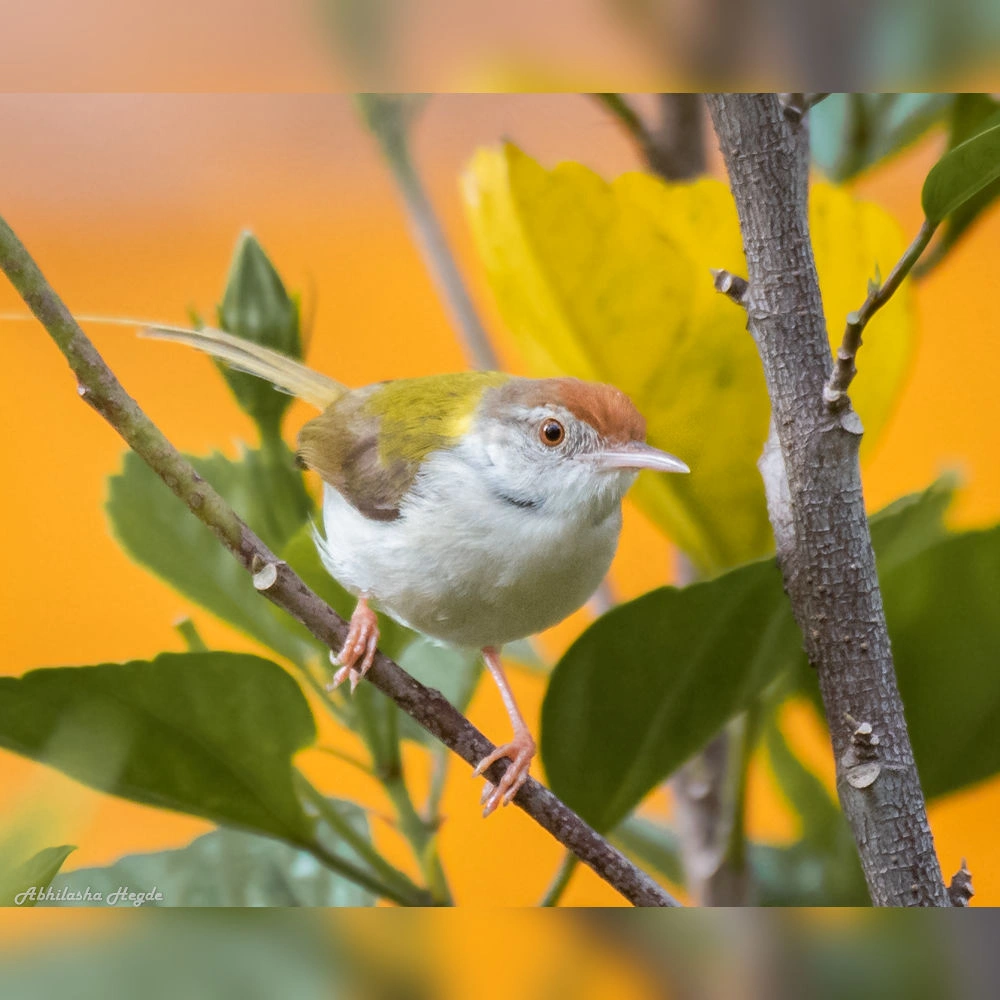
Common Tailorbird
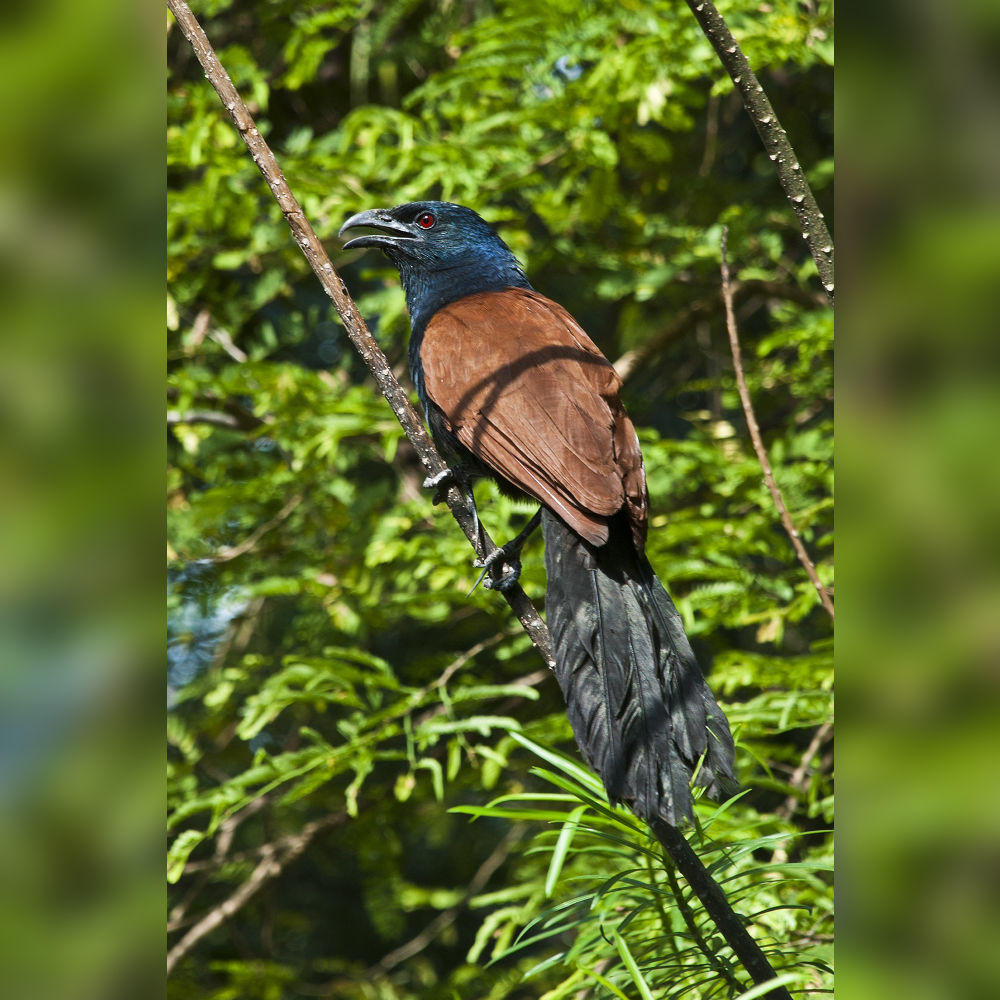
Greater Coucal
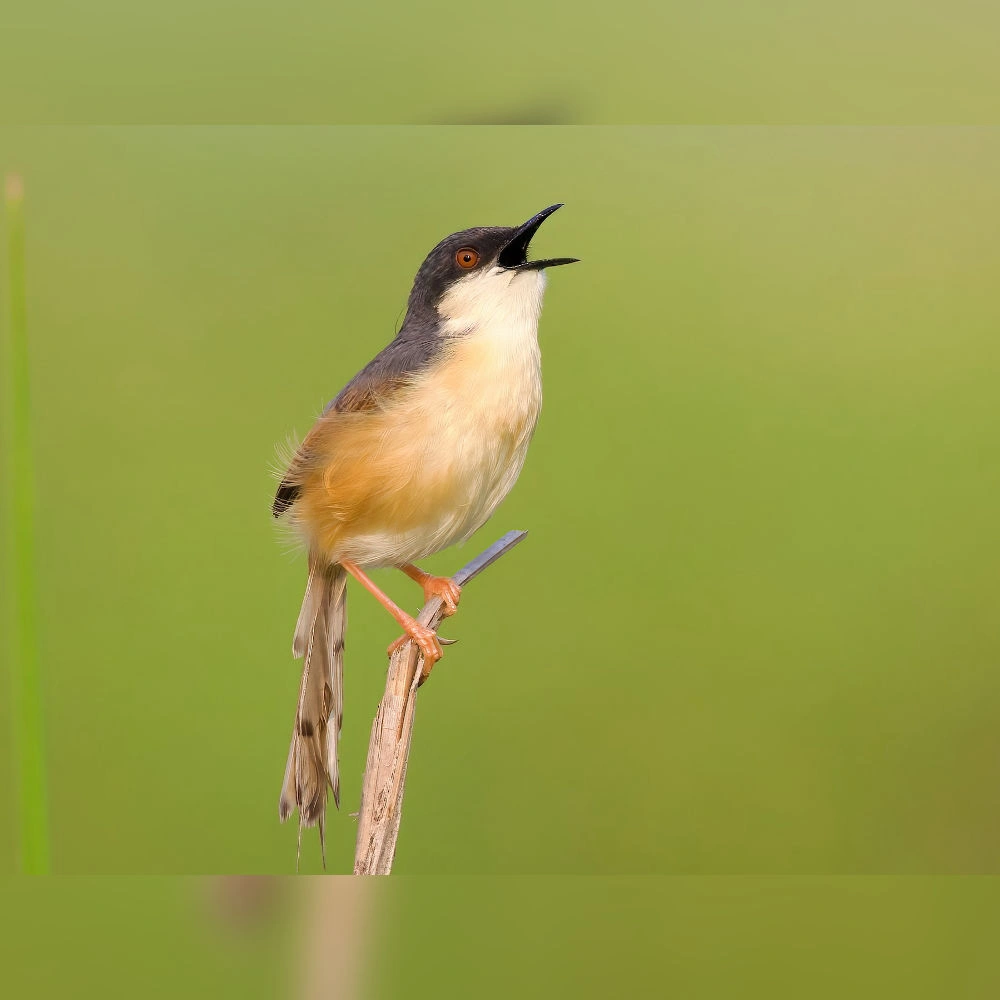
Ashy Prinia
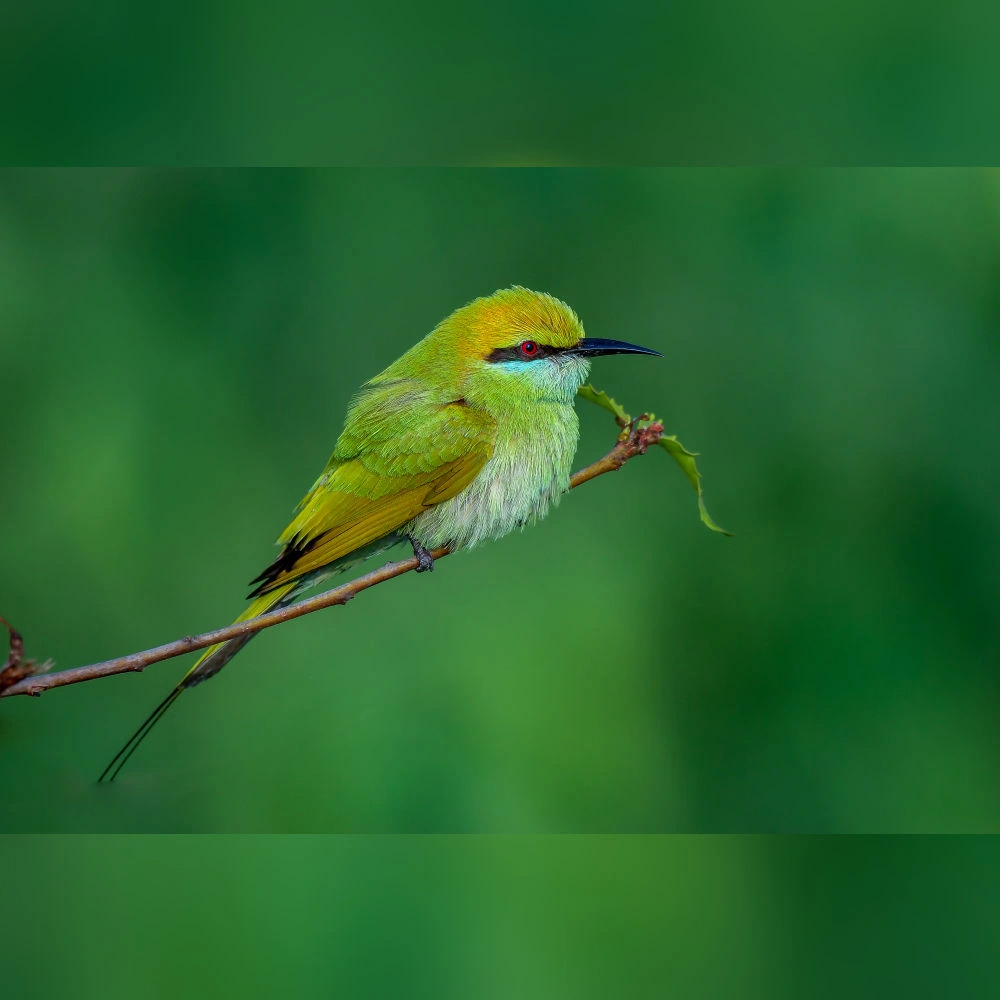
Asian Green Bee-eater
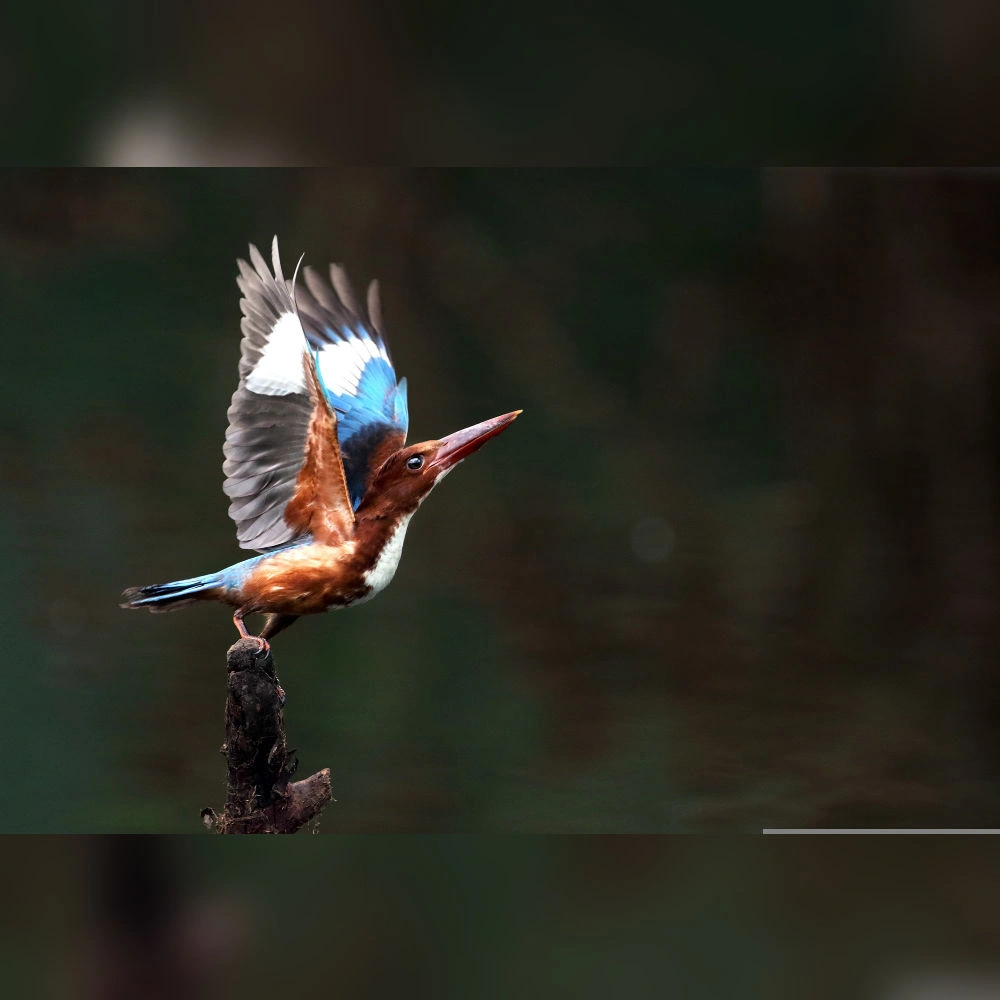
White-throated Kingfisher
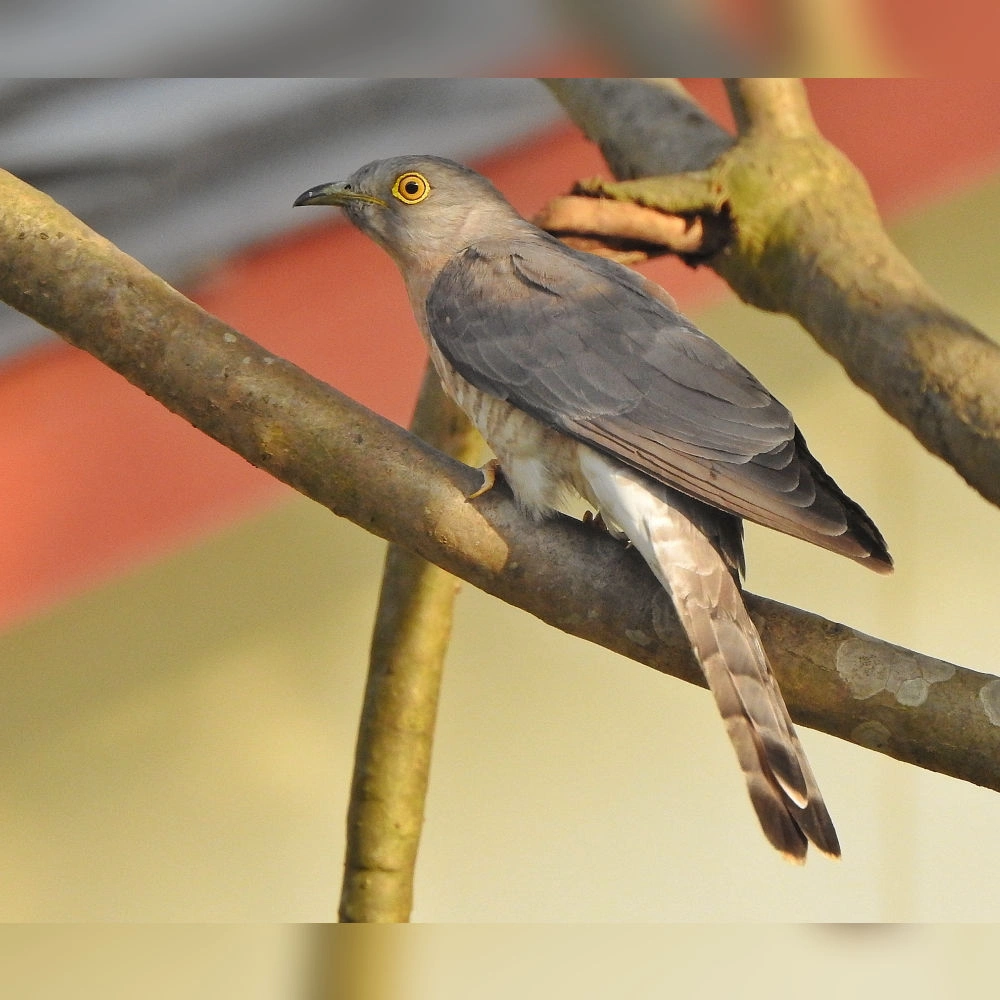
Common Hawk Cuckoo
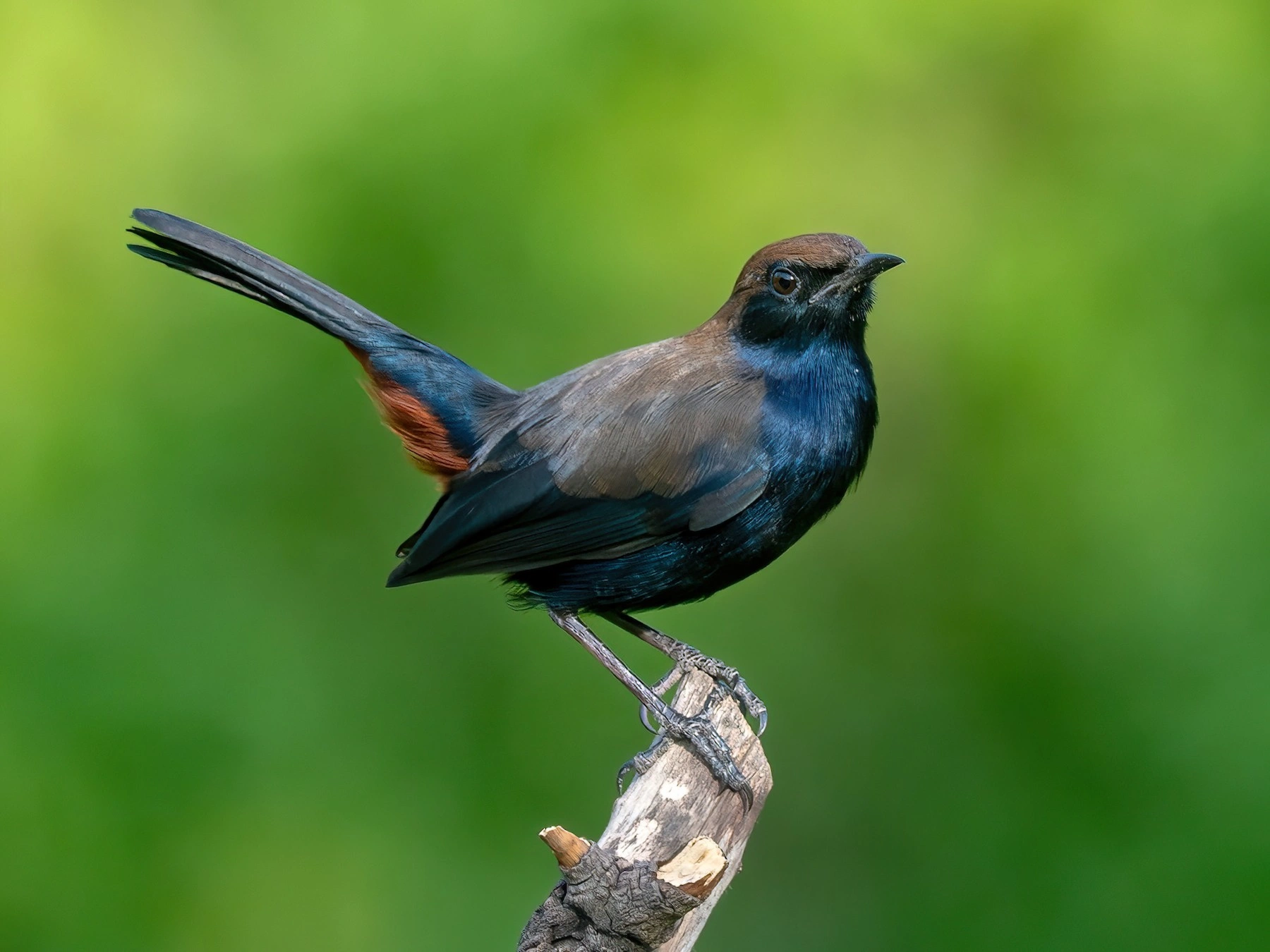
Indian Robin
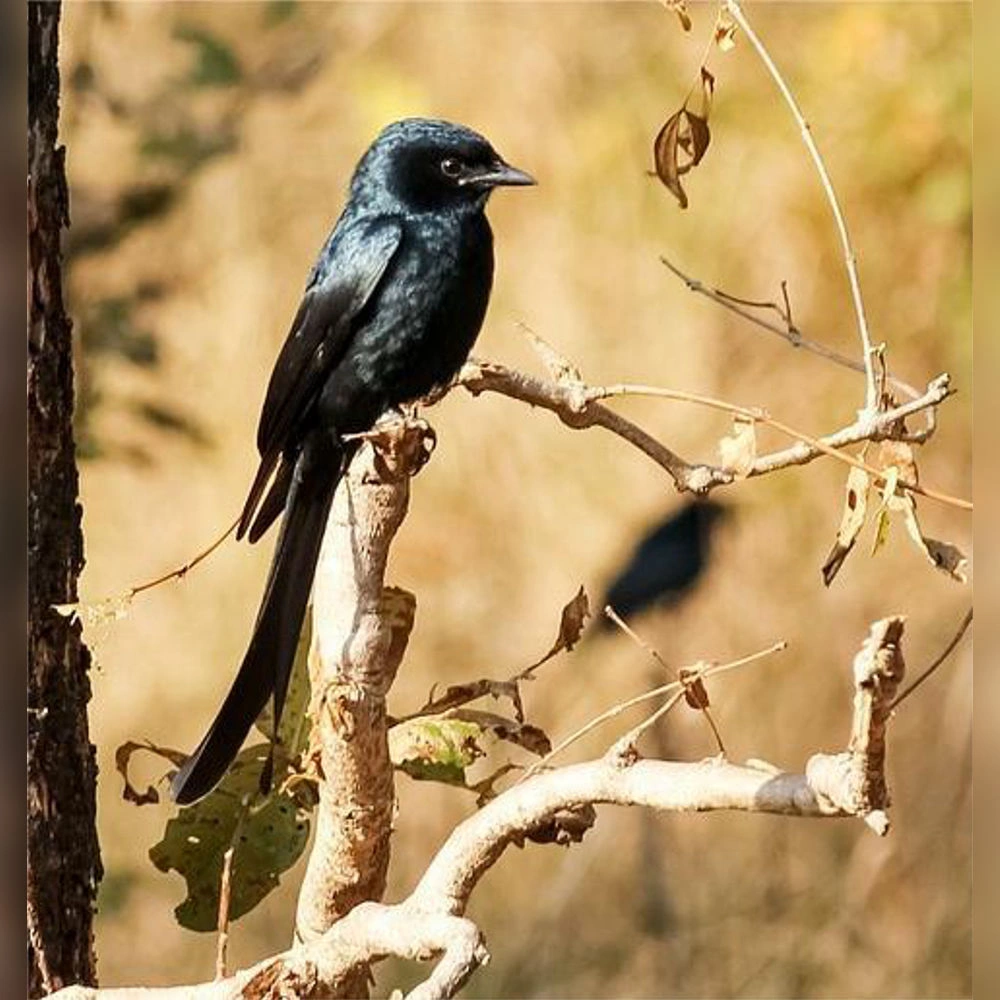
Black Drongo
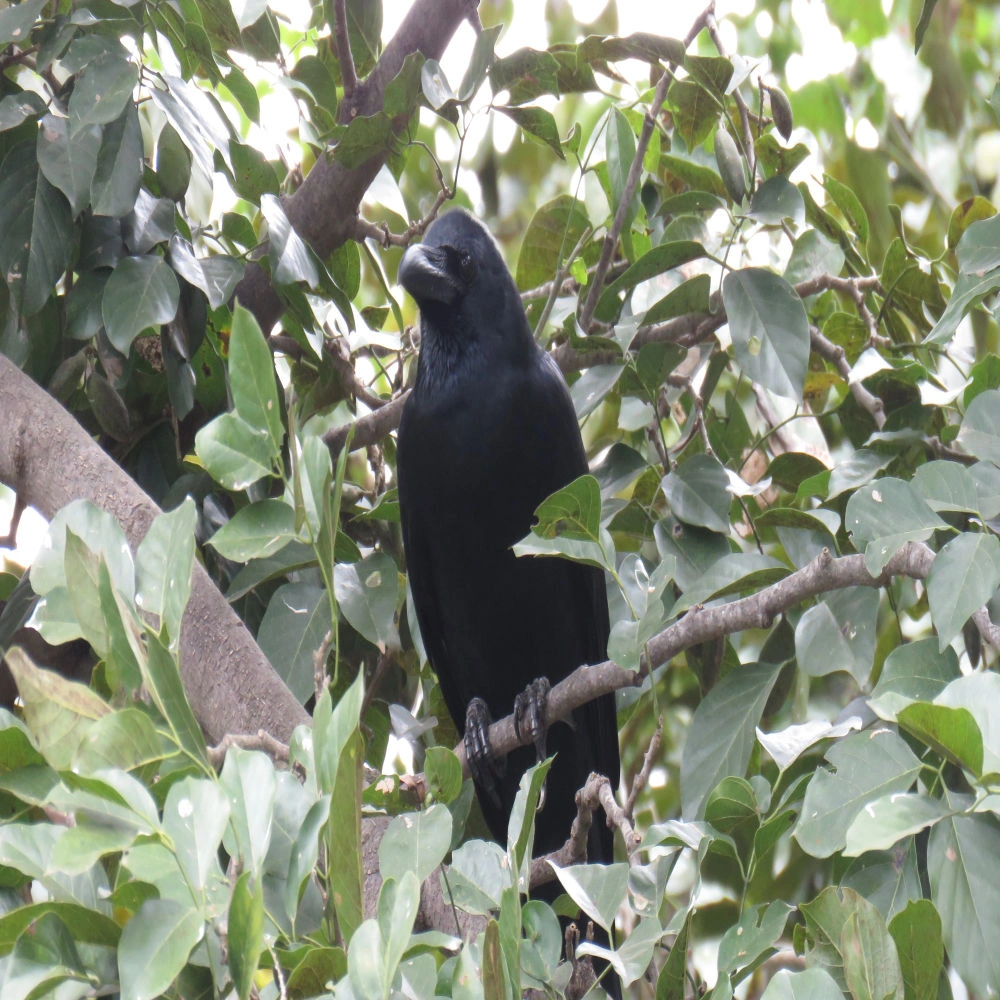
Large-billed Crow
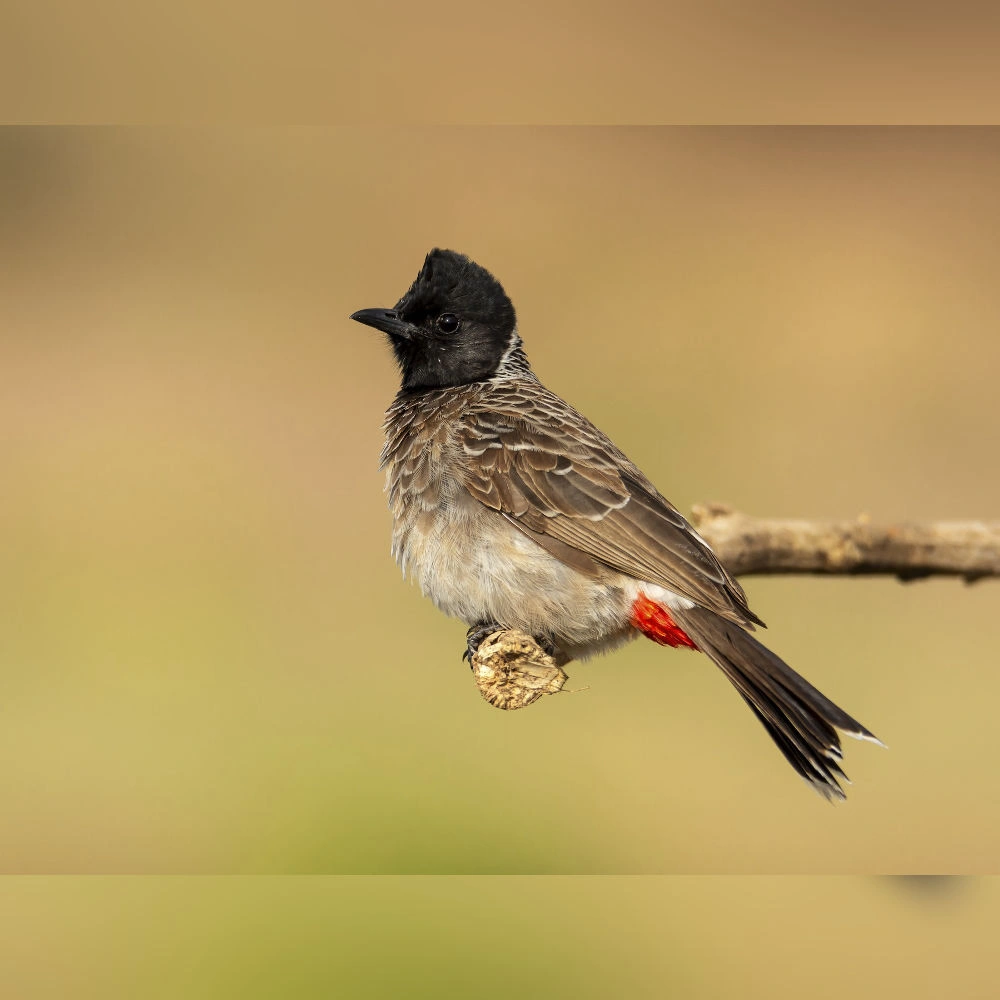
Red-vented Bulbul
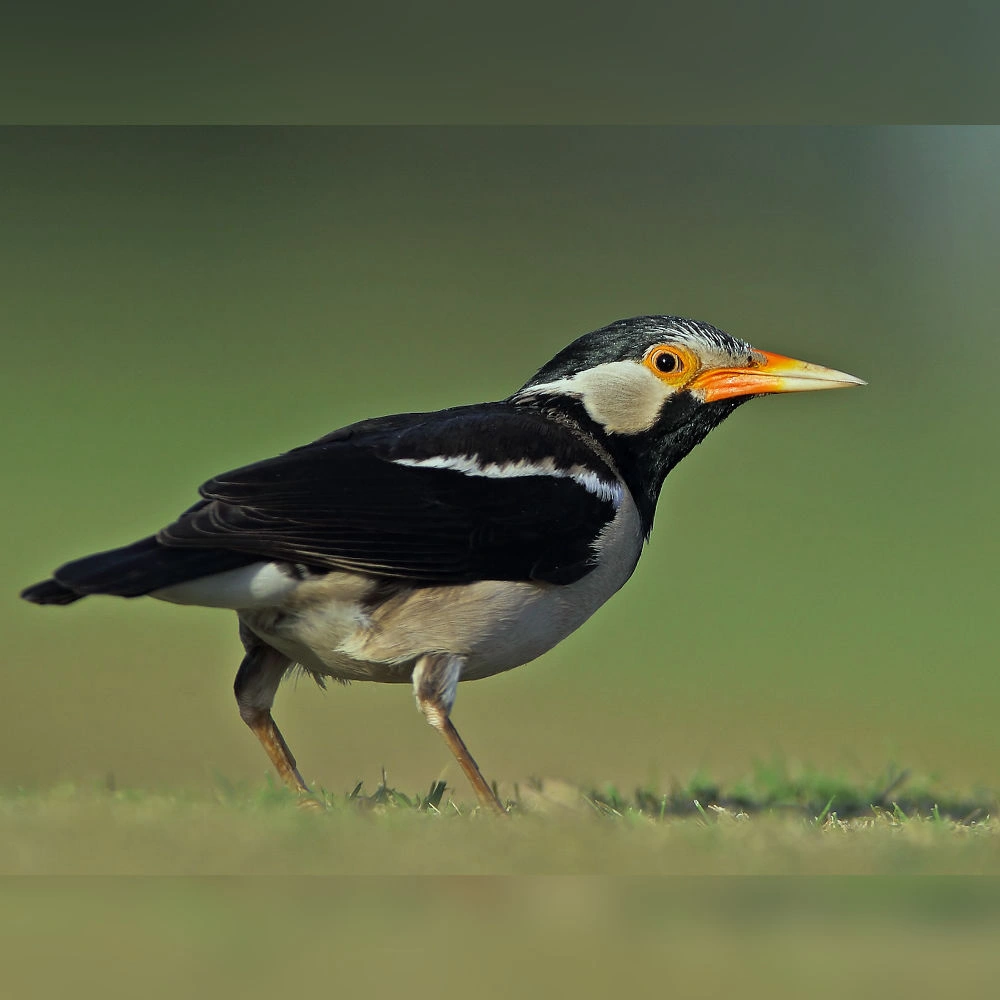
Asian Pied Starling
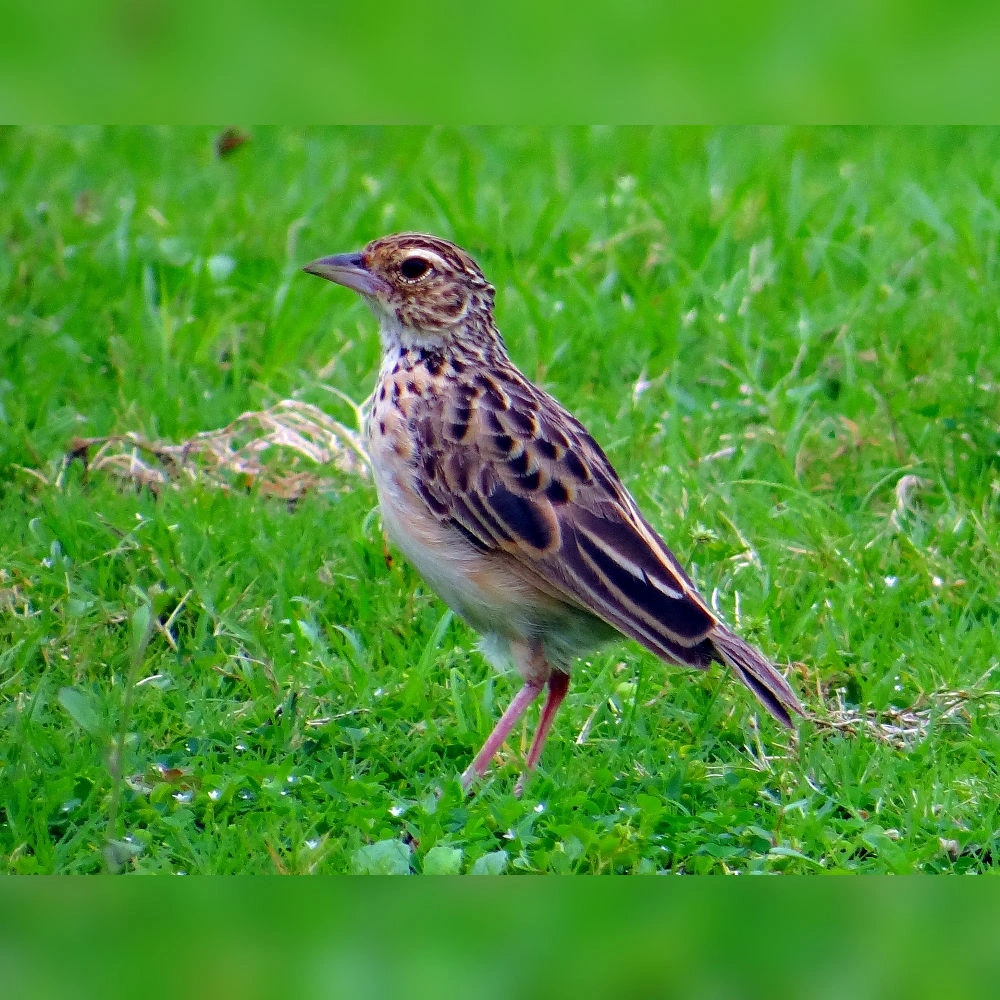
Paddyfield Pipit

Scroll to Top