

Loading Events

Bird walk at Buddha Jayanti Park, Delhi

About Buddha Jayanti Park

Spread across nearly 75 acres along Delhi’s Central Ridge near Dhaula Kuan, Buddha Jayanti Park is one of the capital’s most serene urban green spaces. Developed to commemorate the 2500th birth anniversary of Lord Buddha, the park forms part of the northern Aravalli ridge system, one of the oldest mountain ranges in the world. Its habitat is a mix of dry deciduous forest, scrub woodland, grassy clearings, and small water bodies that support a surprising diversity of life amidst the bustling city. Native and planted tree species such as neem, jamun, arjun, peepal, and acacia create layered vegetation that offers shelter and food for numerous species of birds, butterflies, and small mammals.
For birdwatchers, the park is a rewarding oasis. Resident species like parakeets, barbets, woodpeckers, bulbuls, and drongos thrive here, while winter brings migratory visitors including warblers, flycatchers, and wagtails. Raptors such as shikras and kites are often seen soaring above the canopy, and the park’s quieter corners occasionally reveal owls and nightjars. However, as with many urban forests, Buddha Jayanti Park faces pressures from habitat fragmentation, invasive plant species, pollution, and heavy visitor footfall. Continued ecological restoration, native plantation efforts, and responsible public engagement are vital to preserving this green lung- ensuring it remains a peaceful retreat for both wildlife and Delhi’s residents.

Partnered with

Bird Guide - Dr. Tejaswi Kumar

A doctor by profession and a birder at heart, he has been fascinated by birds since the age of 10 and brings five years of dedicated birding experience. With a renewed focus on rigorous birding in recent years, he is passionate about inspiring others to take interest in birds and understand their vital role in our ecosystems.
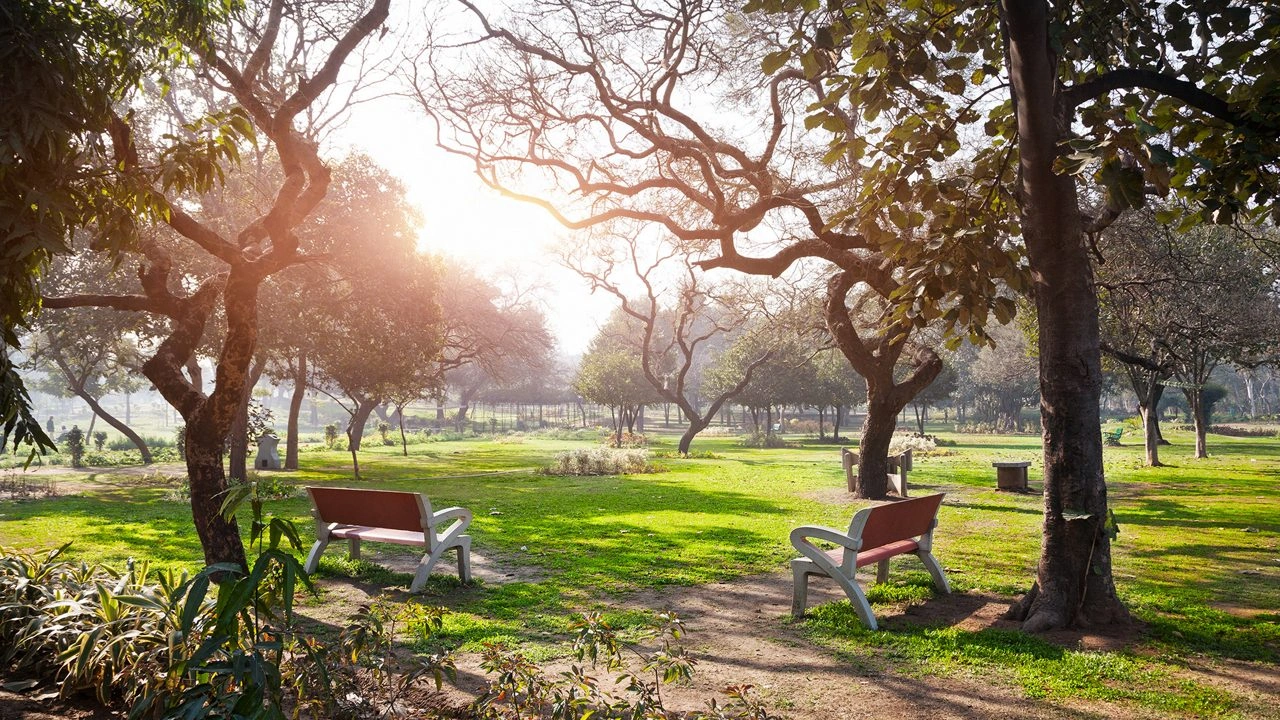
Bird walk Location

Common birds of Buddha Jayanti Park

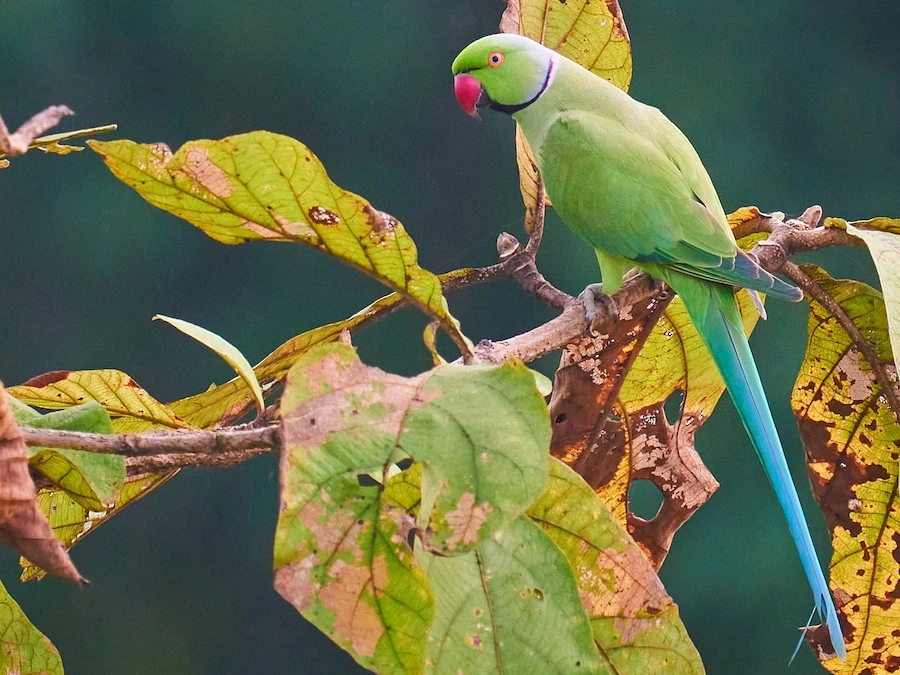
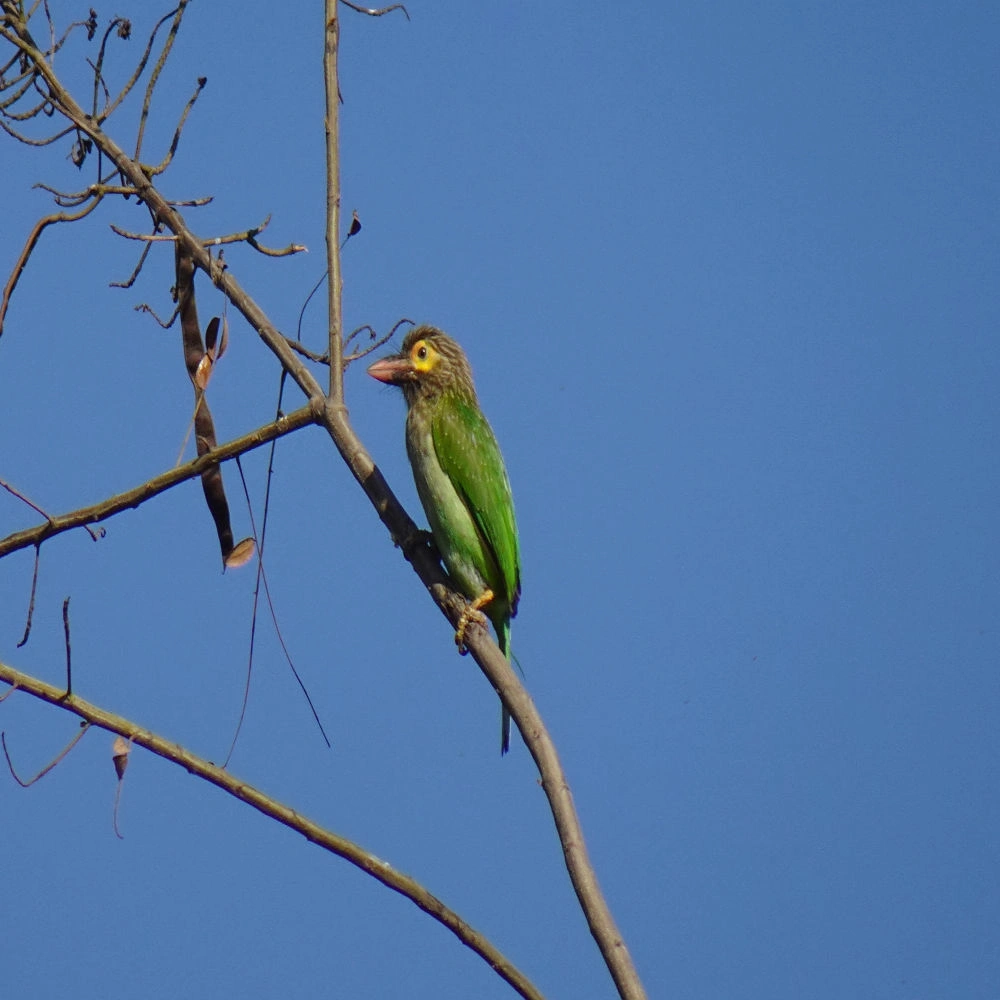
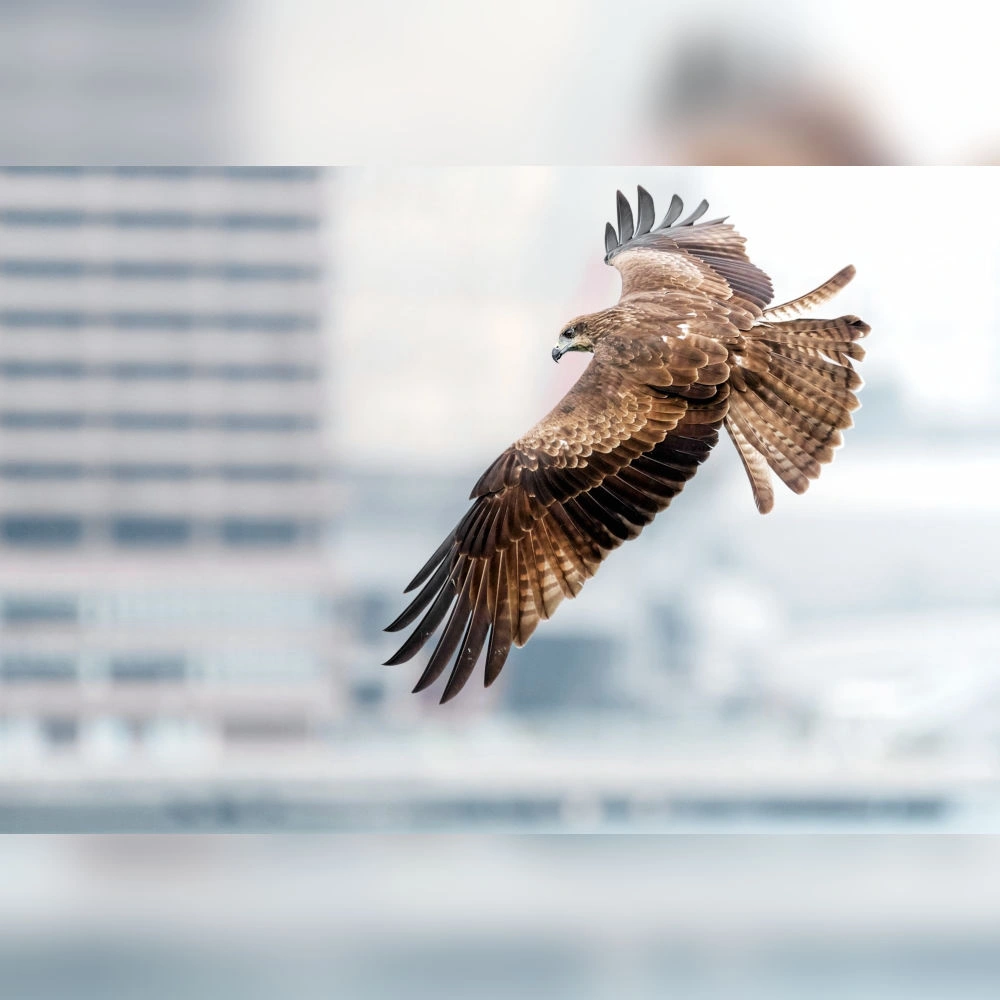
The park’s woodland canopy and open clearings resonate with an energetic mix of resident and migratory birds, making every walk a lively experience. Black Kites circle effortlessly overhead, while Rose-ringed Parakeets screech across the treetops in bright green flashes. Tree trunks echo with the metallic calls of Brown-headed and Coppersmith Barbets, and in flowering patches the shimmering Purple Sunbird darts between blossoms. Winter adds delicate visitors like Hume’s and Greenish Warblers, often moving alongside Grey-headed Canary Flycatchers in mixed feeding flocks. Red-whiskered and Red-vented Bulbuls add constant chatter, while Tailorbirds stitch their way through shrubs and Oriental White-eyes move in restless groups through the foliage.

On the ground and along quieter edges, Indian Peafowl stride gracefully, White-breasted Waterhens slip near water bodies, and flocks of House Sparrows and Yellow-throated Sparrows gather around open spaces. Jungle Babblers move noisily in groups, Rufous Treepies glide between branches, and Eurasian Collared Doves perch calmly in sunlit spots. Yellow-footed Green Pigeons blend beautifully into fruiting trees, while lapwings patrol open patches with alert calls. Black Drongos claim exposed perches, and even hornbills may occasionally grace the taller trees, adding a dramatic silhouette to the skyline. Together, these species create a colorful, ever-changing tapestry of calls, movement, and behavior, transforming the park into a vibrant urban birding haven.
Black Kite
Rose Ringed Parakeet
Brown Headed Barbet
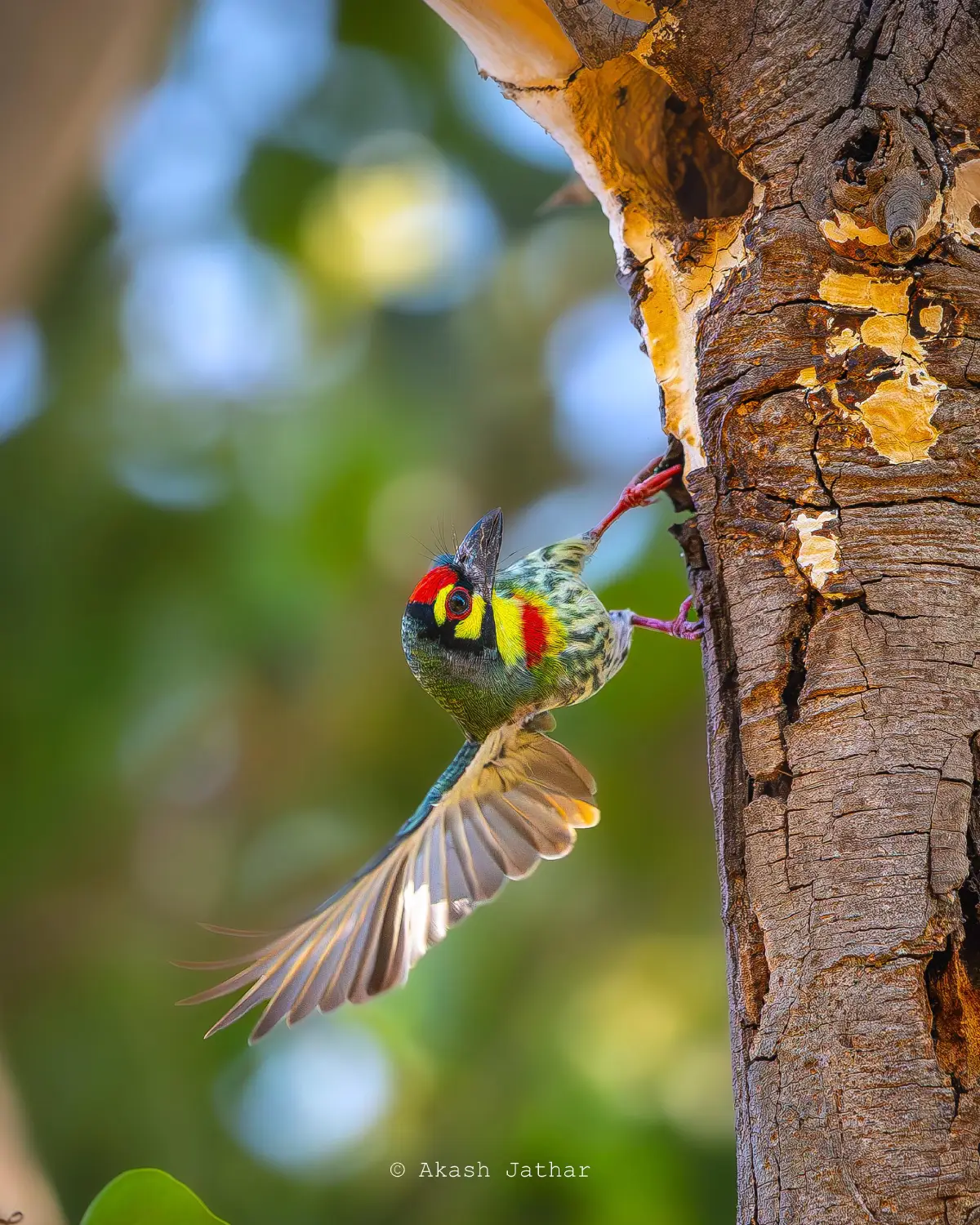
Coppersmith Barbet
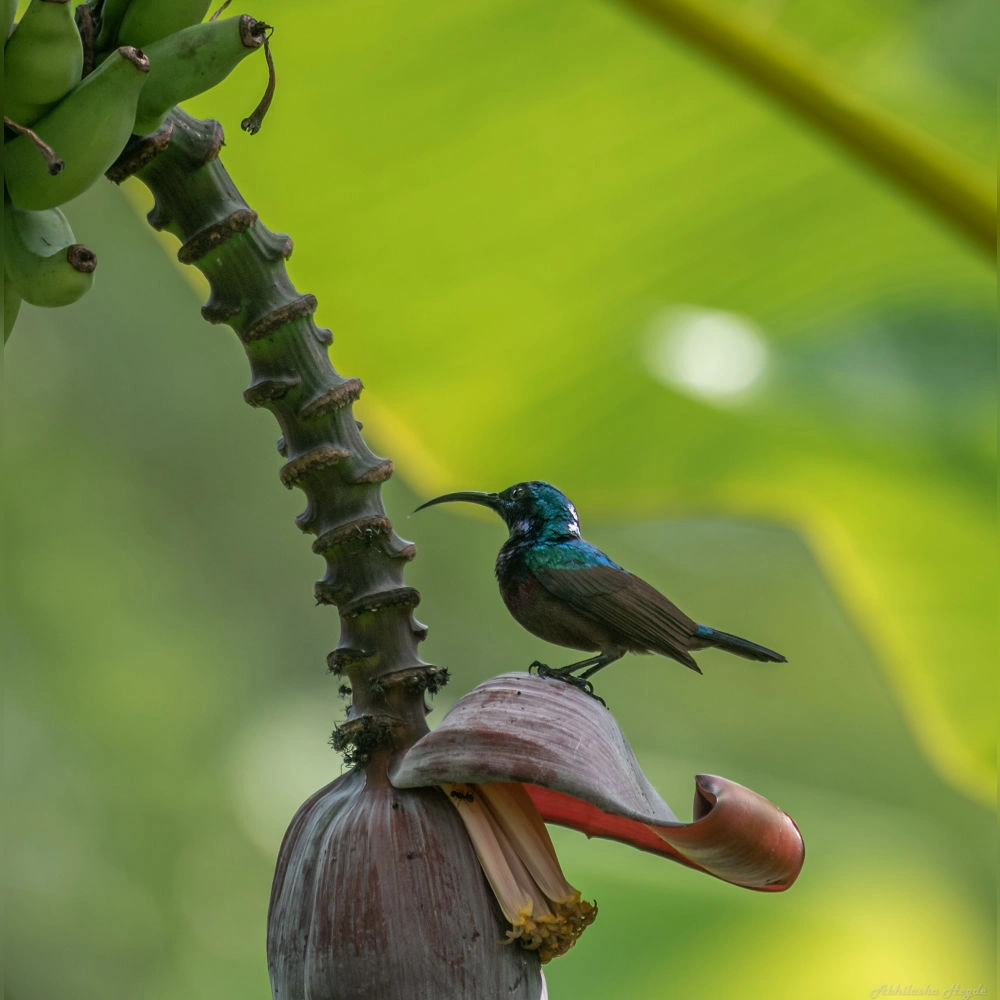
Purple Sunbird
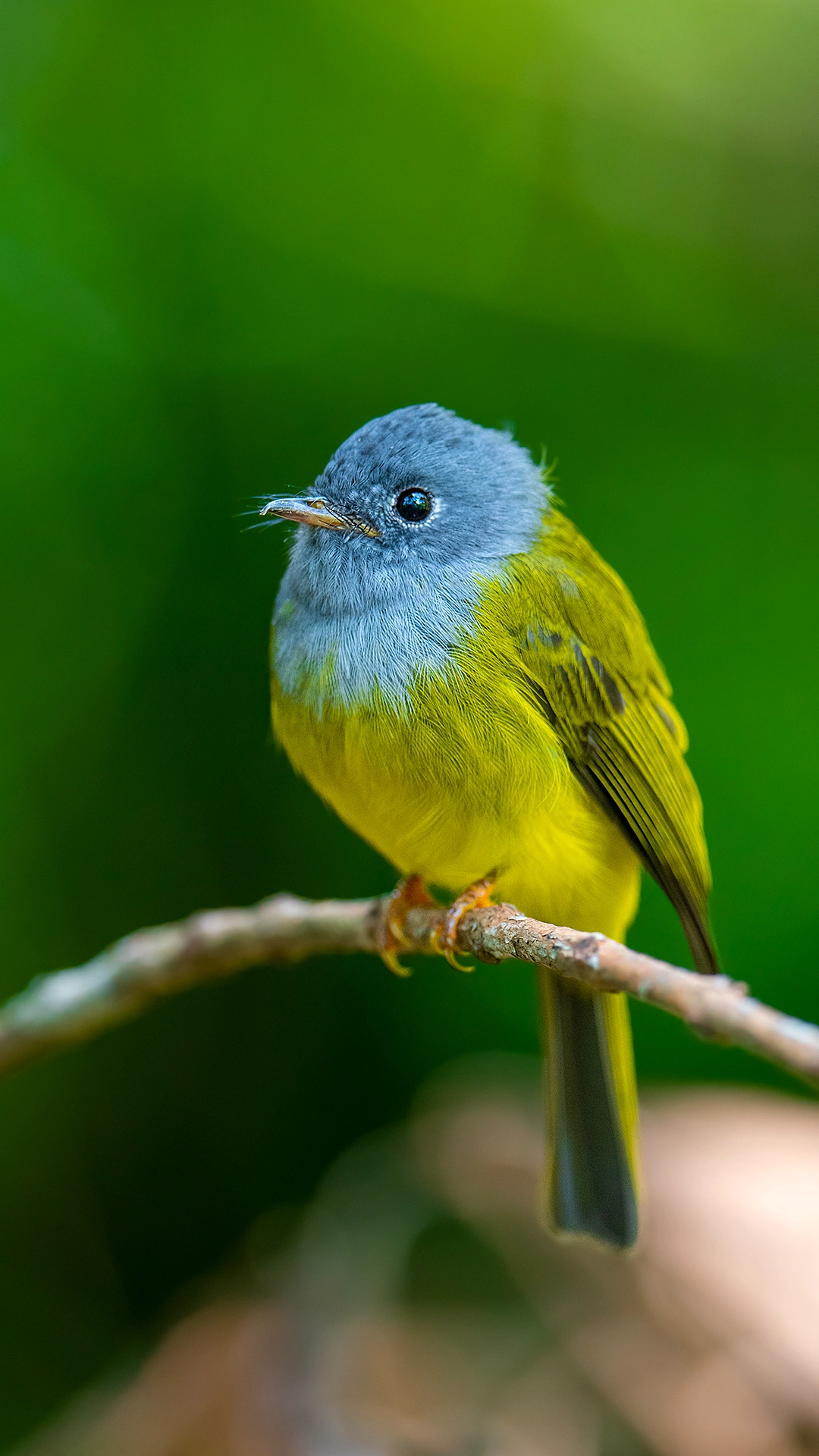
Grey Headed Canary Flycatcher
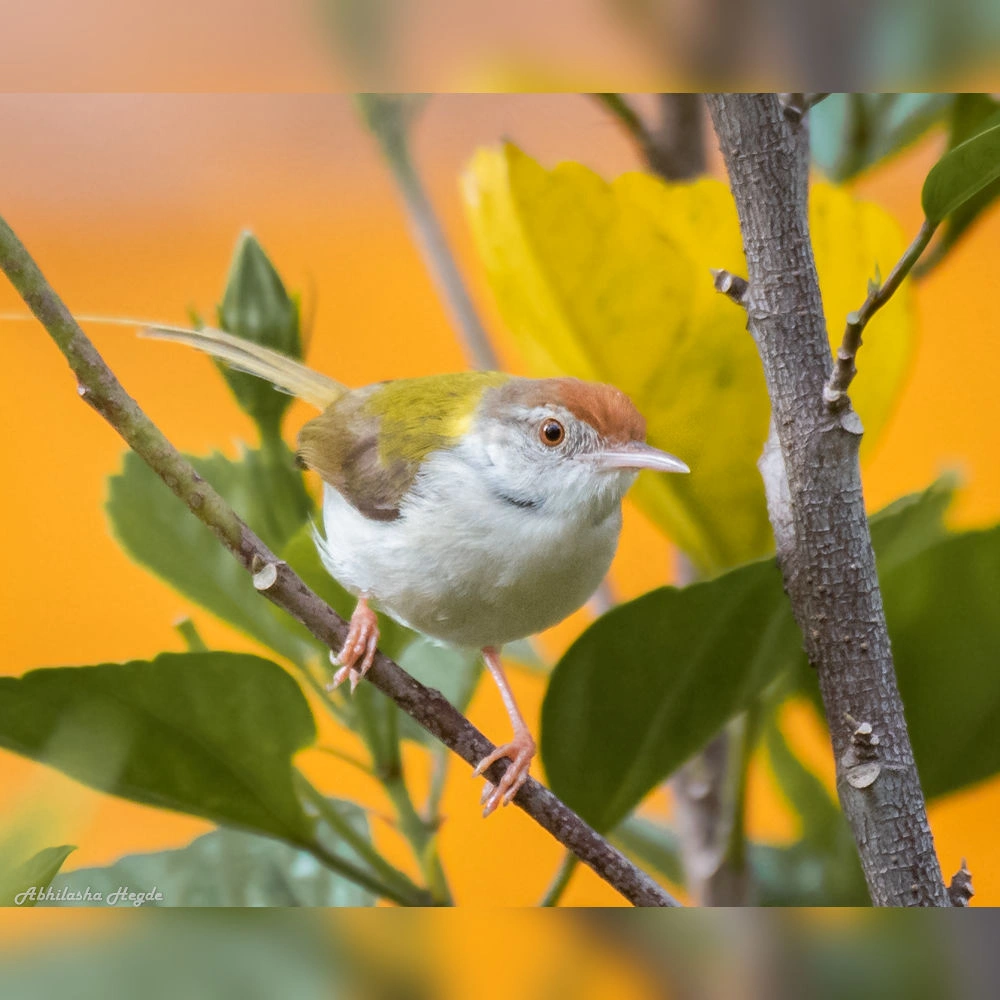
Common Tailorbird
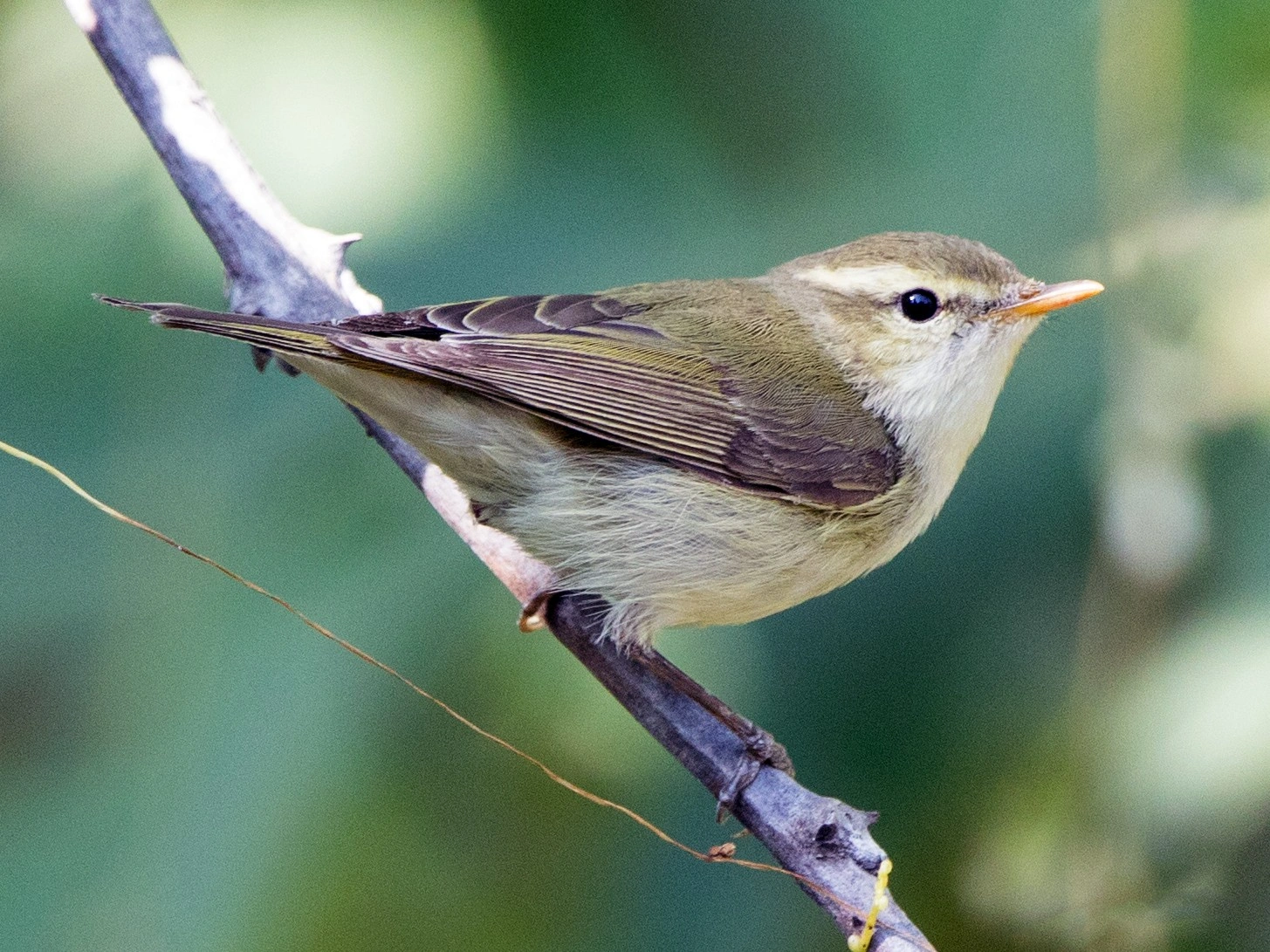
Greenish Warbler
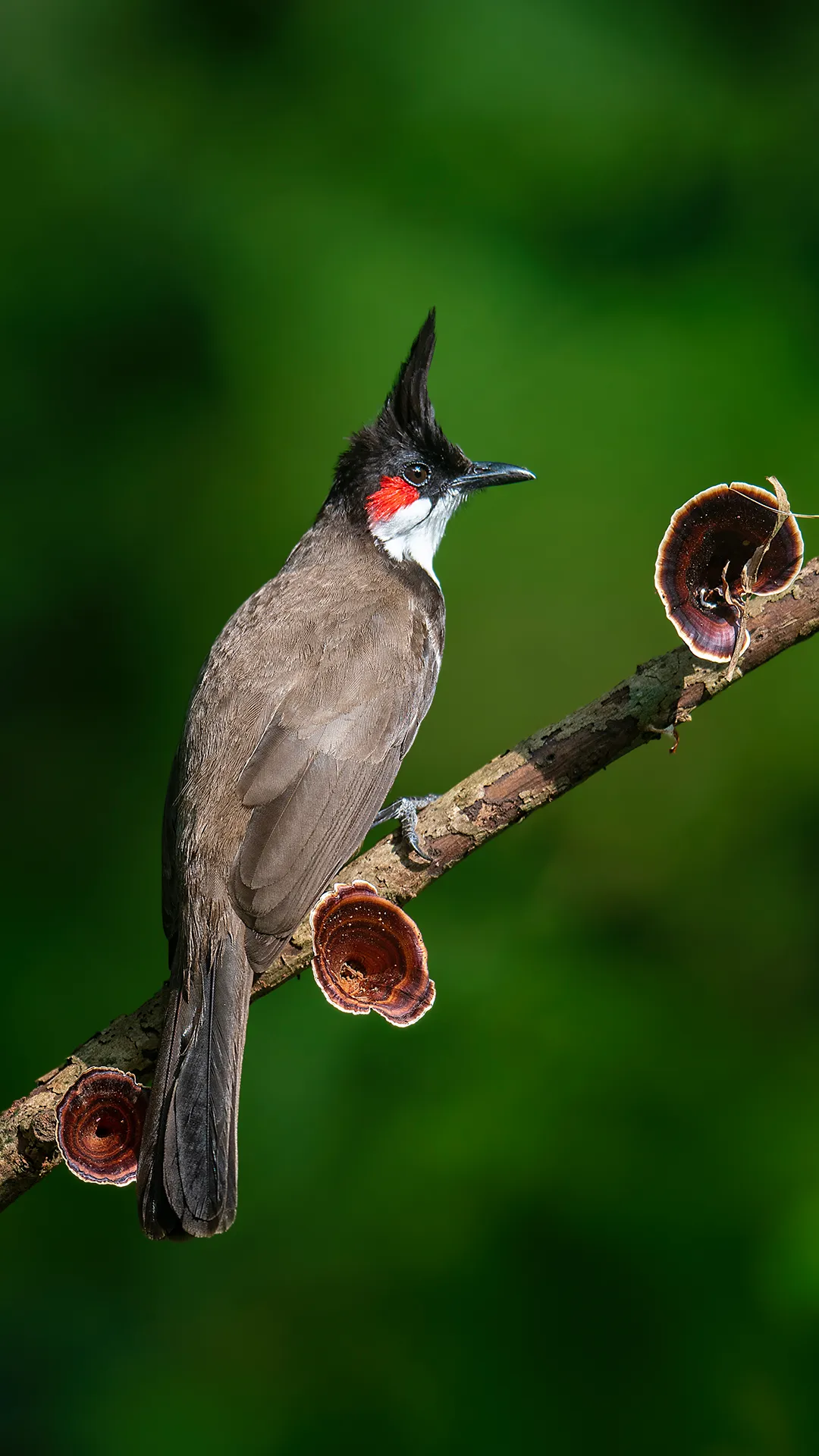
Red Whiskered Bulbul
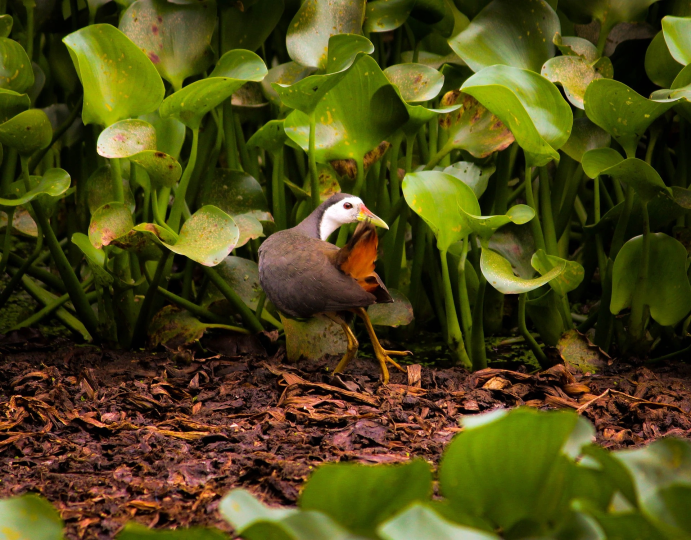
White Breasted Waterhen
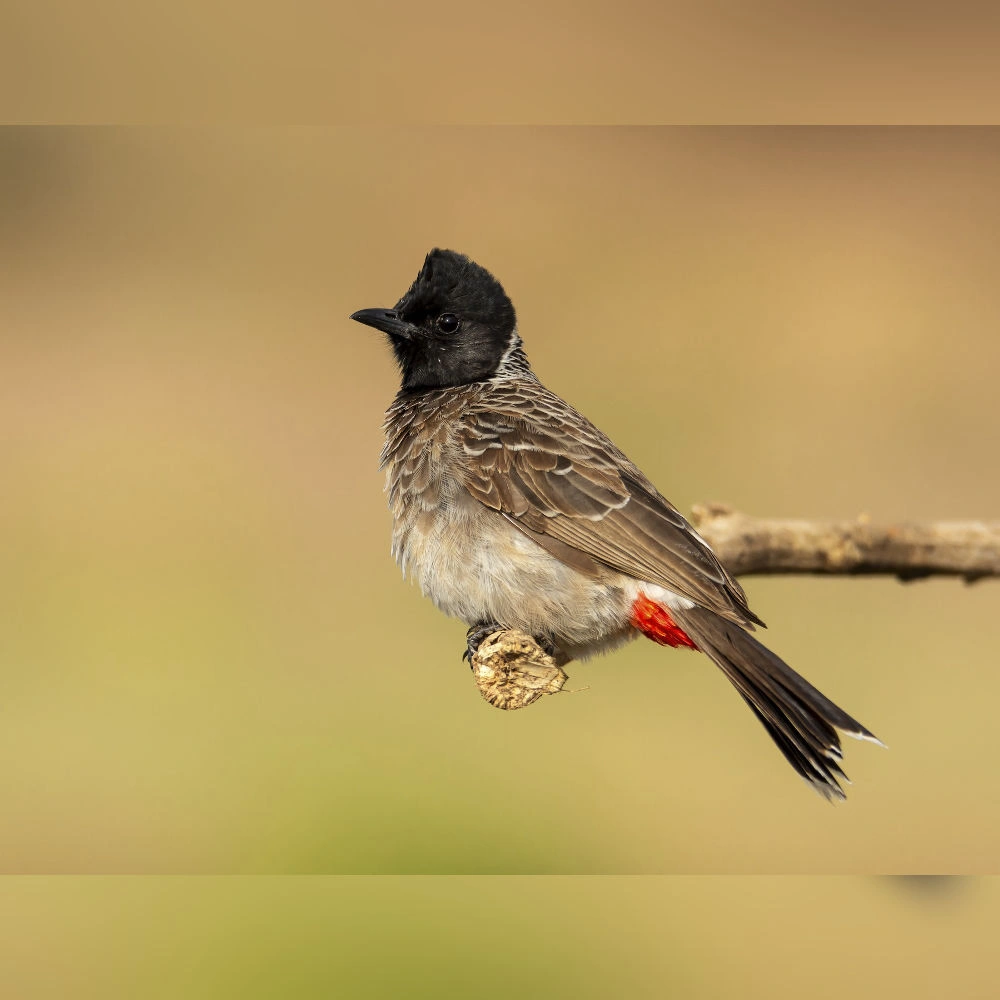
Red Vented Bulbul
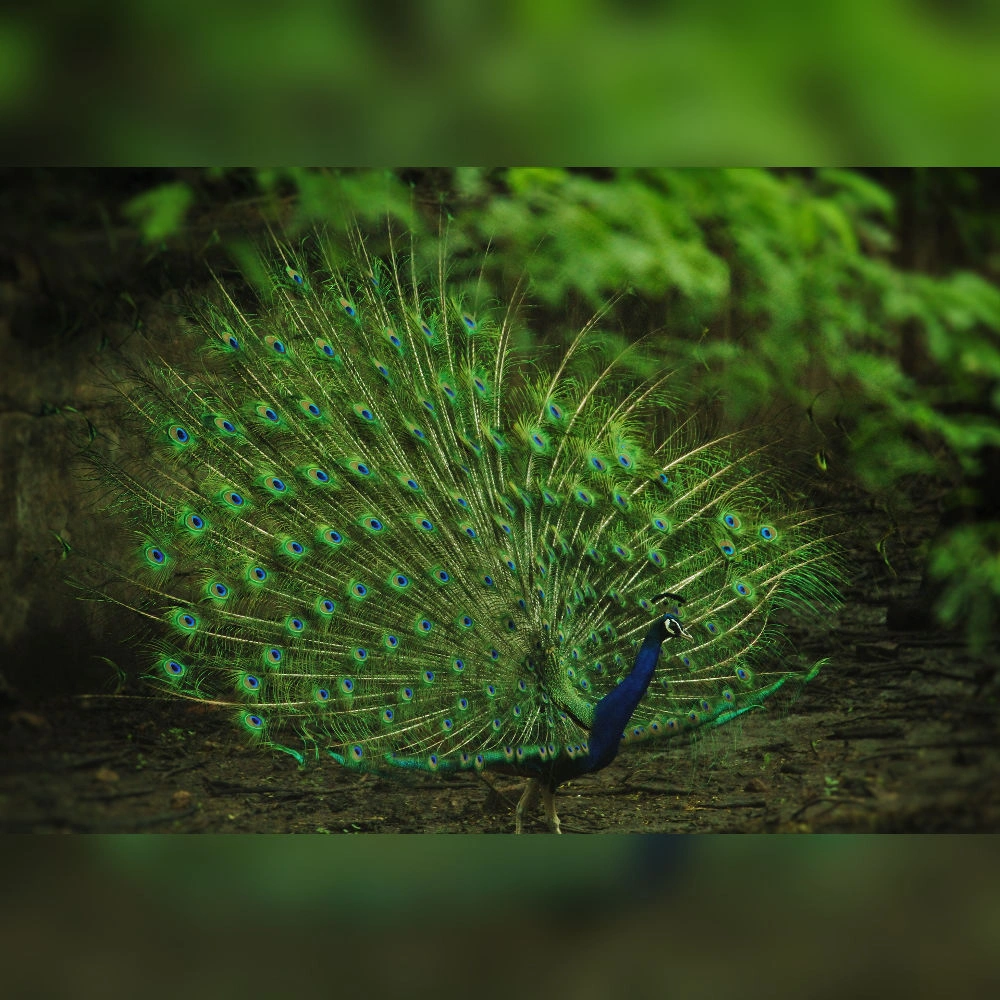
Indian Peafowl
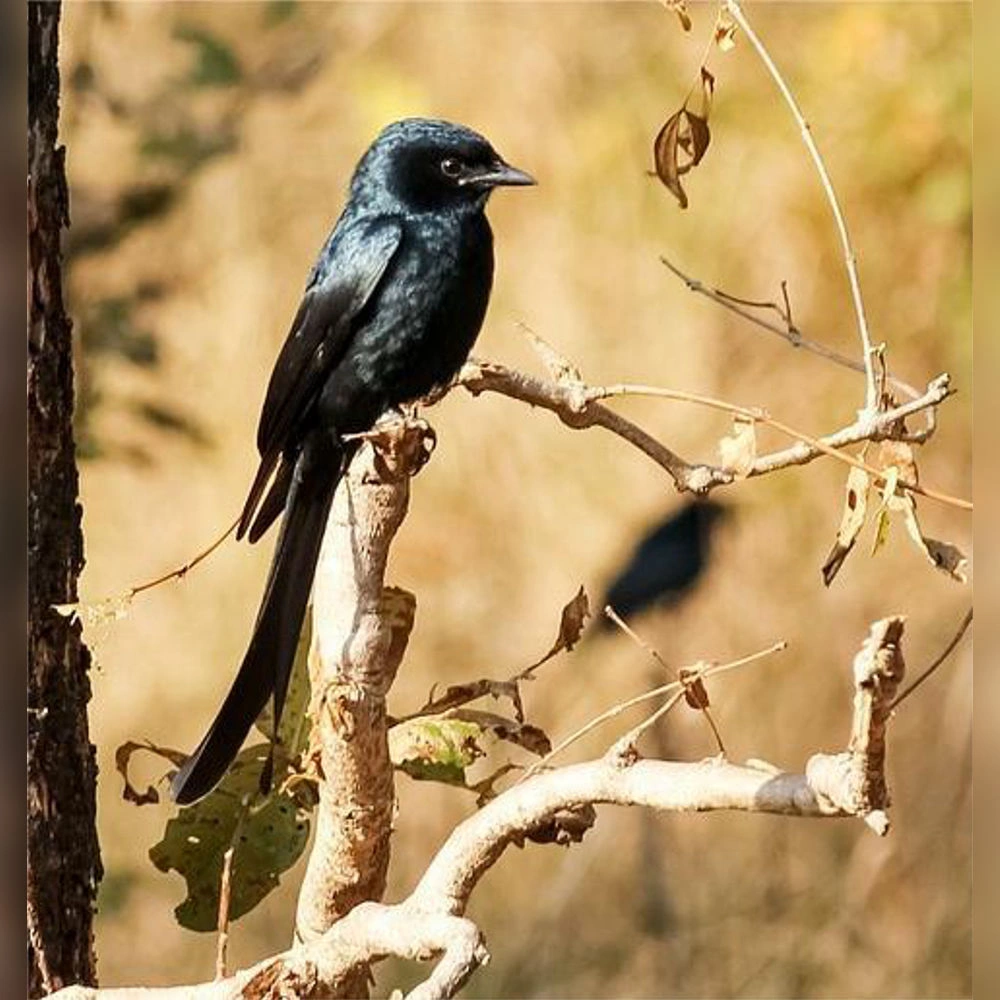
Black Drongo
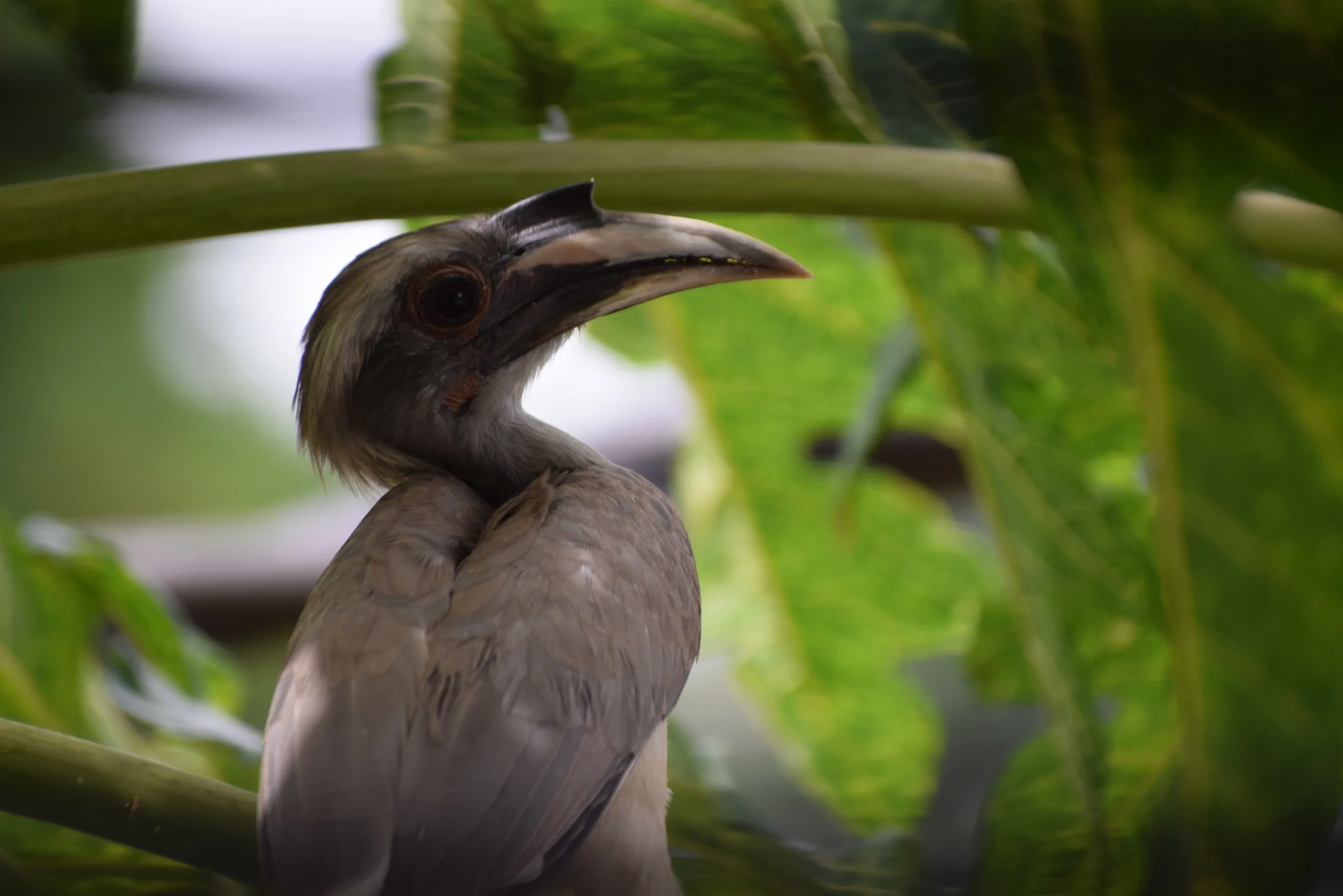
Indian Grey Hornbill
Jungle Babbler
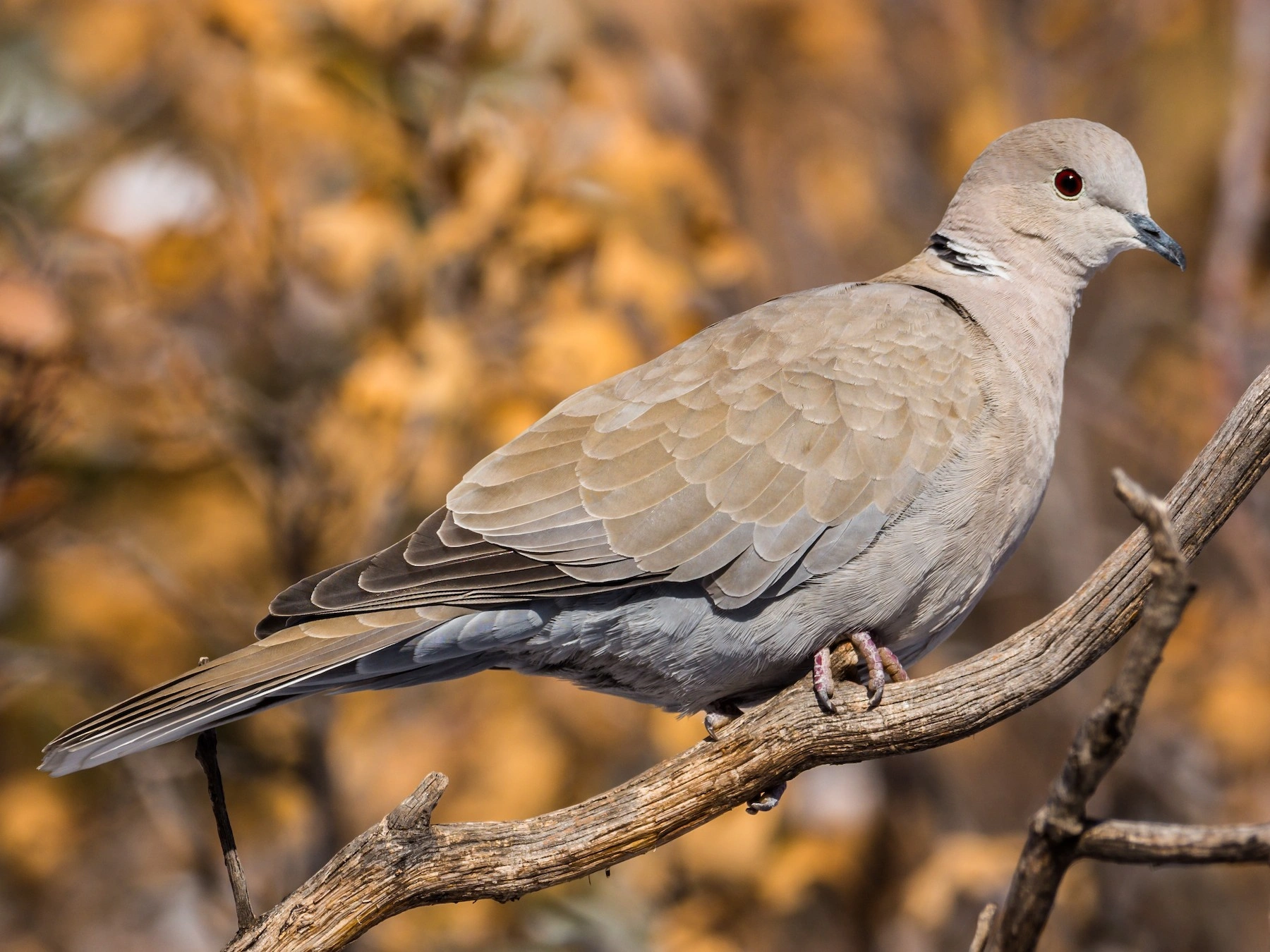
Eurasian Collared Dove
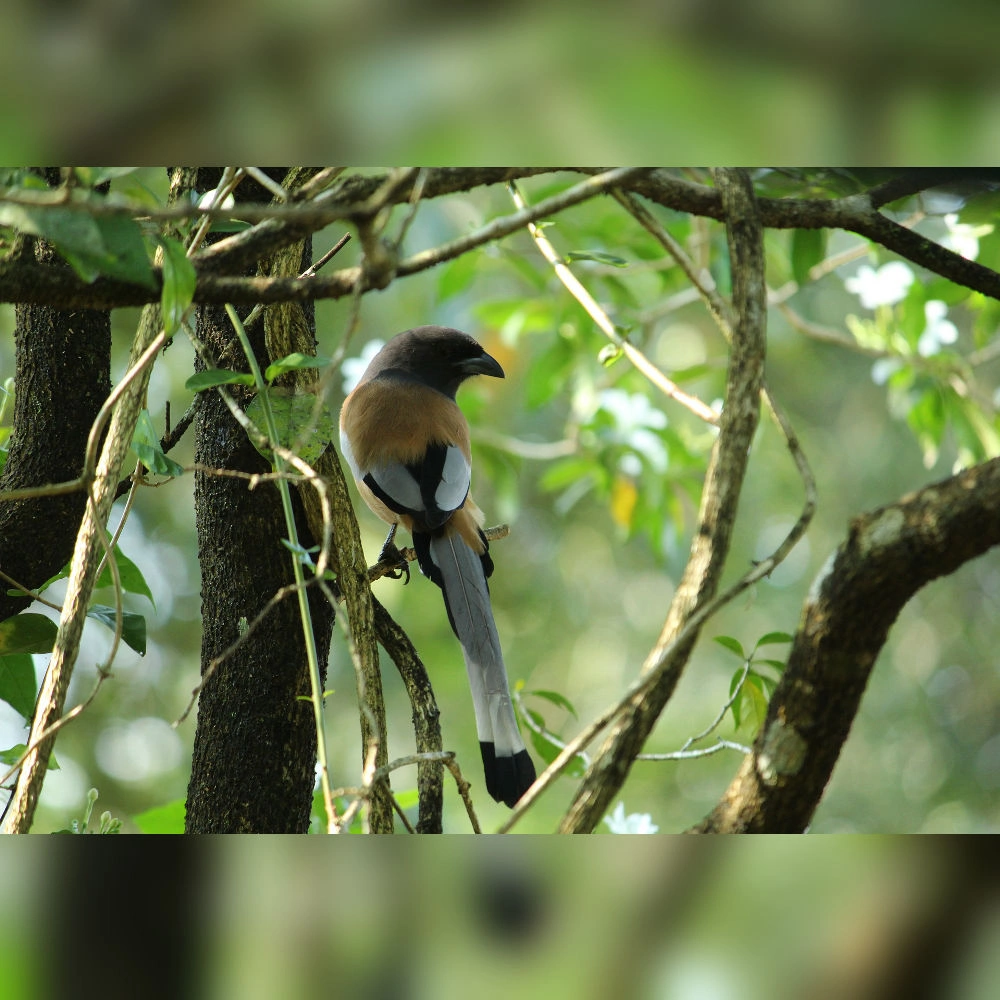
Rufous Treepie
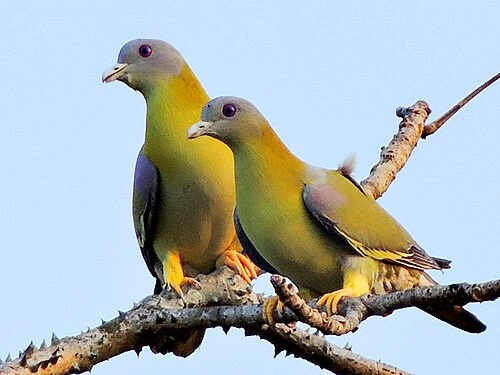
Yellow Footed Green Pigeon
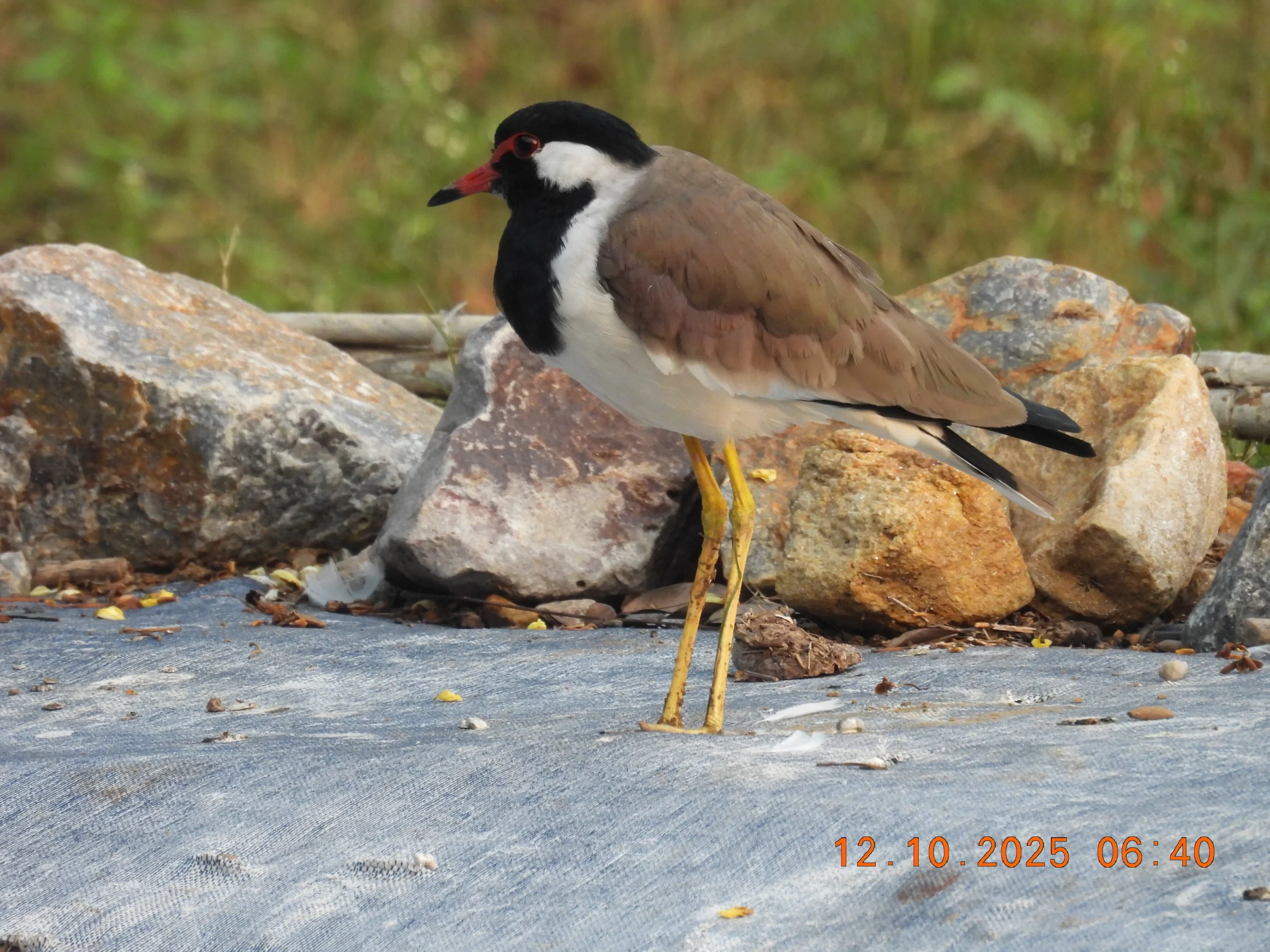
Red Wattled Lapwing
House Sparrow

Scroll to Top