



Loading Events

Bird Walk at Indira Gandhi Rashtriya Manav Sangrahalaya, Bhopal, MP

About Indira Gandhi Rasthtriya Manav Sangrahalaya

Indira Gandhi Rashtriya Manav Sangrahalaya (IGRMS), or the National Museum of Mankind, is located on the picturesque Shyamla Hills in Bhopal, Madhya Pradesh. Established in 1977, this unique anthropological museum sprawls across nearly 200 acres overlooking the Upper Lake, making it one of the largest open-air museums in Asia. Designed to showcase the evolution of humankind and the diversity of Indian cultural traditions, the museum integrates both indoor galleries and expansive outdoor exhibits.
The museum highlights the living heritage of tribal and folk communities through life-sized dwellings, reconstructed villages, and thematic exhibitions on rituals, crafts, and ecological adaptations. With more than 80 open-air displays and collections from across India, IGRMS provides an immersive experience into the coexistence of people, culture, and nature. Beyond its role as a repository of heritage, it also functions as a center for research, documentation, and cultural dialogue. Despite challenges of modernization and changing lifestyles, the museum remains a vibrant space where the richness of India’s human story is preserved and celebrated within a natural landscape.

Bird Guide: Sarang Mhatre

He is a bird expert, naturalist, Master trainer for Anubhuti Eco Camp in MP and a wildlife photographer. He has been working with MP Forest Department since 2016 and is the co-founder of Tarang EcoTours.
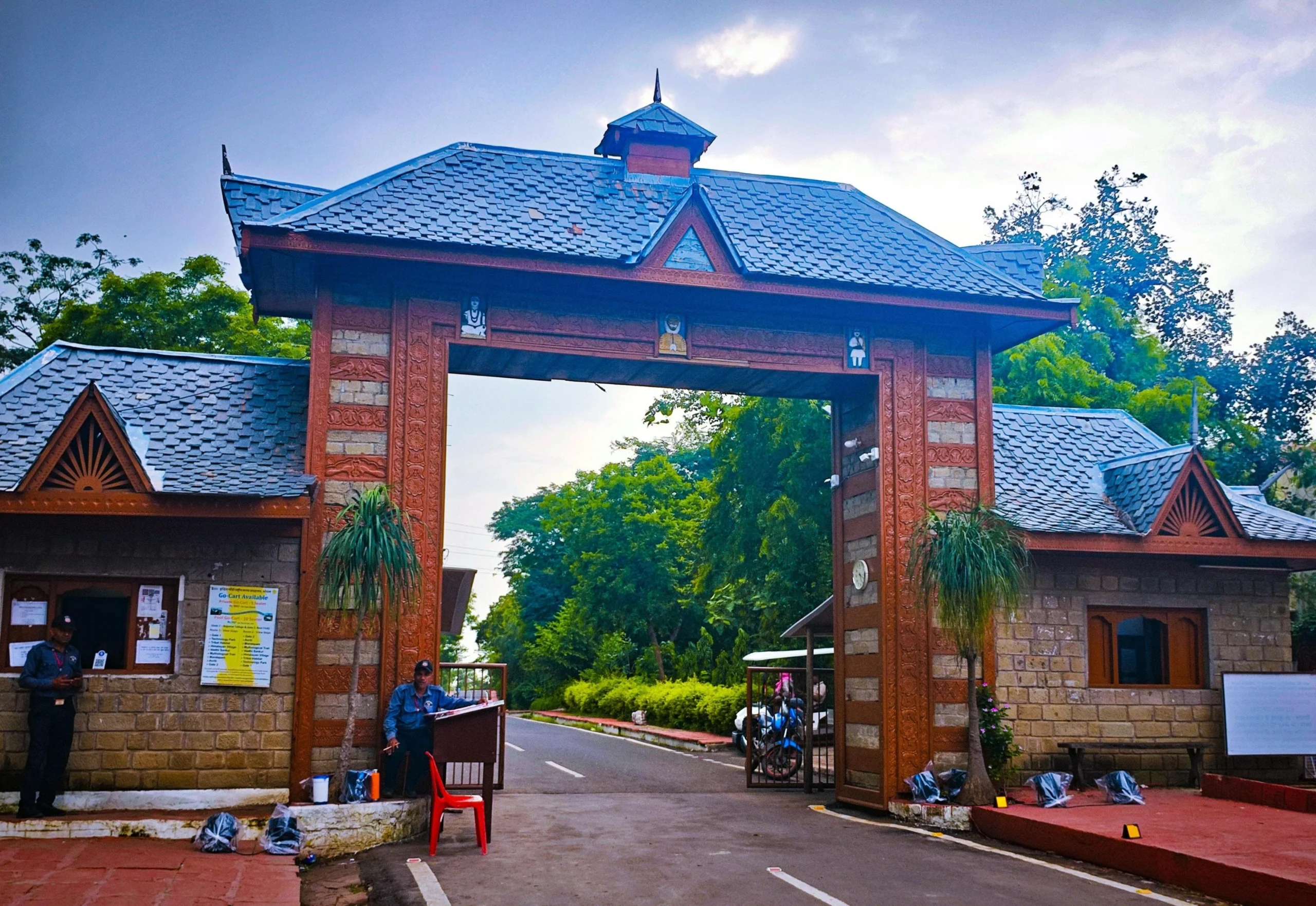
Bird walk Location

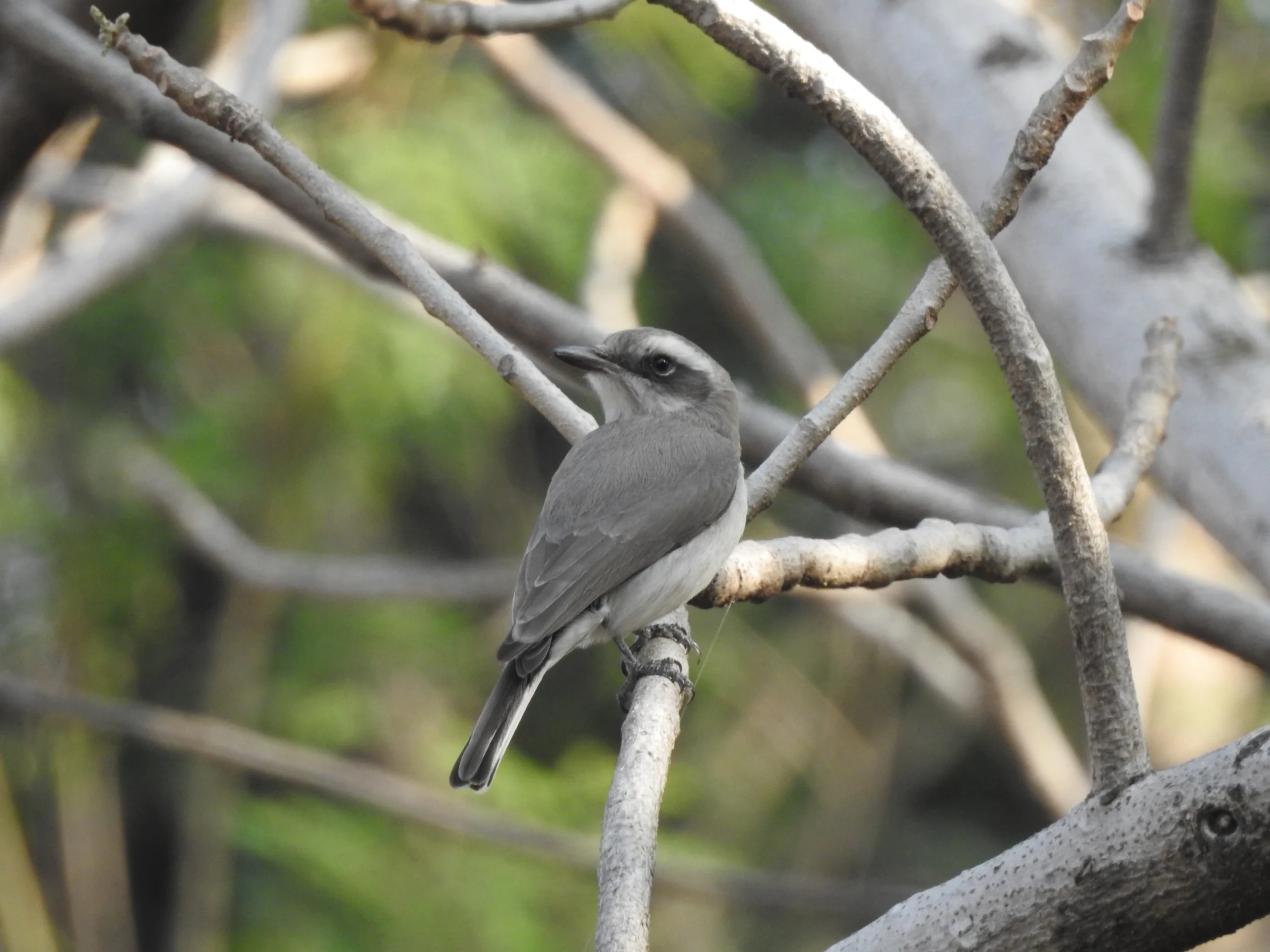
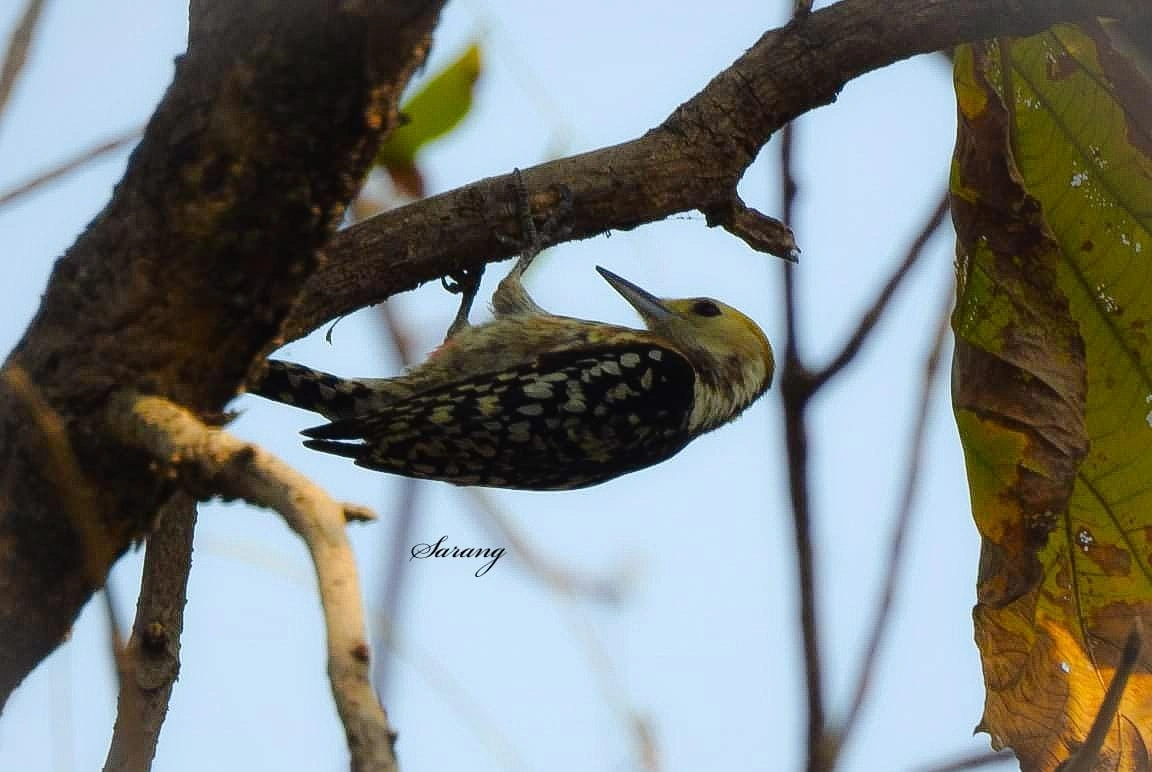
Common birds of IGRMS

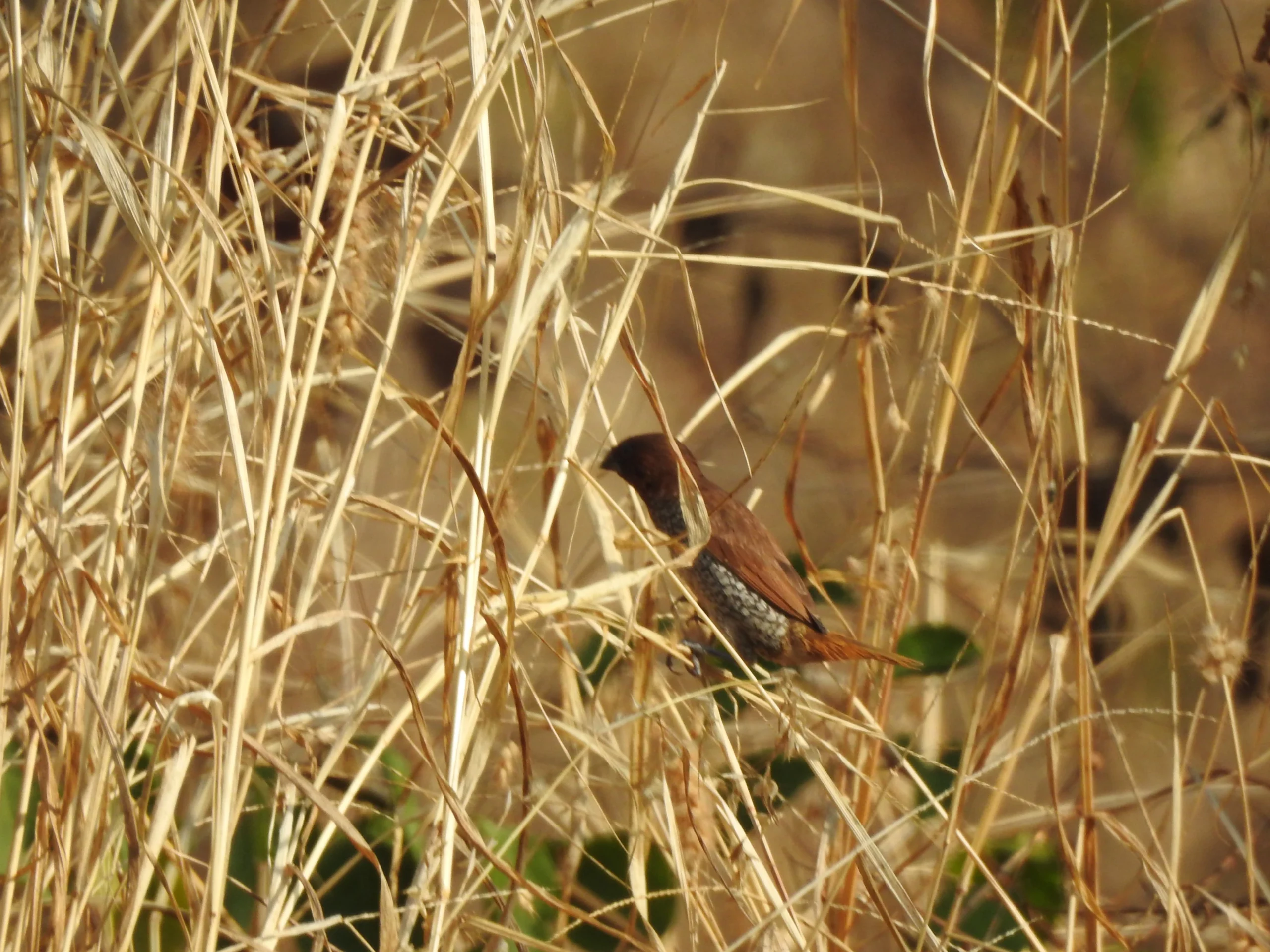
Spread across nearly 200 acres of natural hill slopes overlooking the Upper Lake, the Indira Gandhi Rashtriya Manav Sangrahalaya (IGRMS) offers a unique blend of cultural heritage and biodiversity. Its wooded landscape, open-air exhibits, and patches of scrub and grasslands provide a mosaic of habitats that attract a wide range of bird species. Early mornings often echo with the calls of barbets, bulbuls, and drongos, while the shaded groves shelter species like parakeets, treepies, and cuckoos. Raptors such as kites and shikras are frequently sighted soaring above the open areas, taking advantage of the museum’s proximity to the lake and urban green spaces.

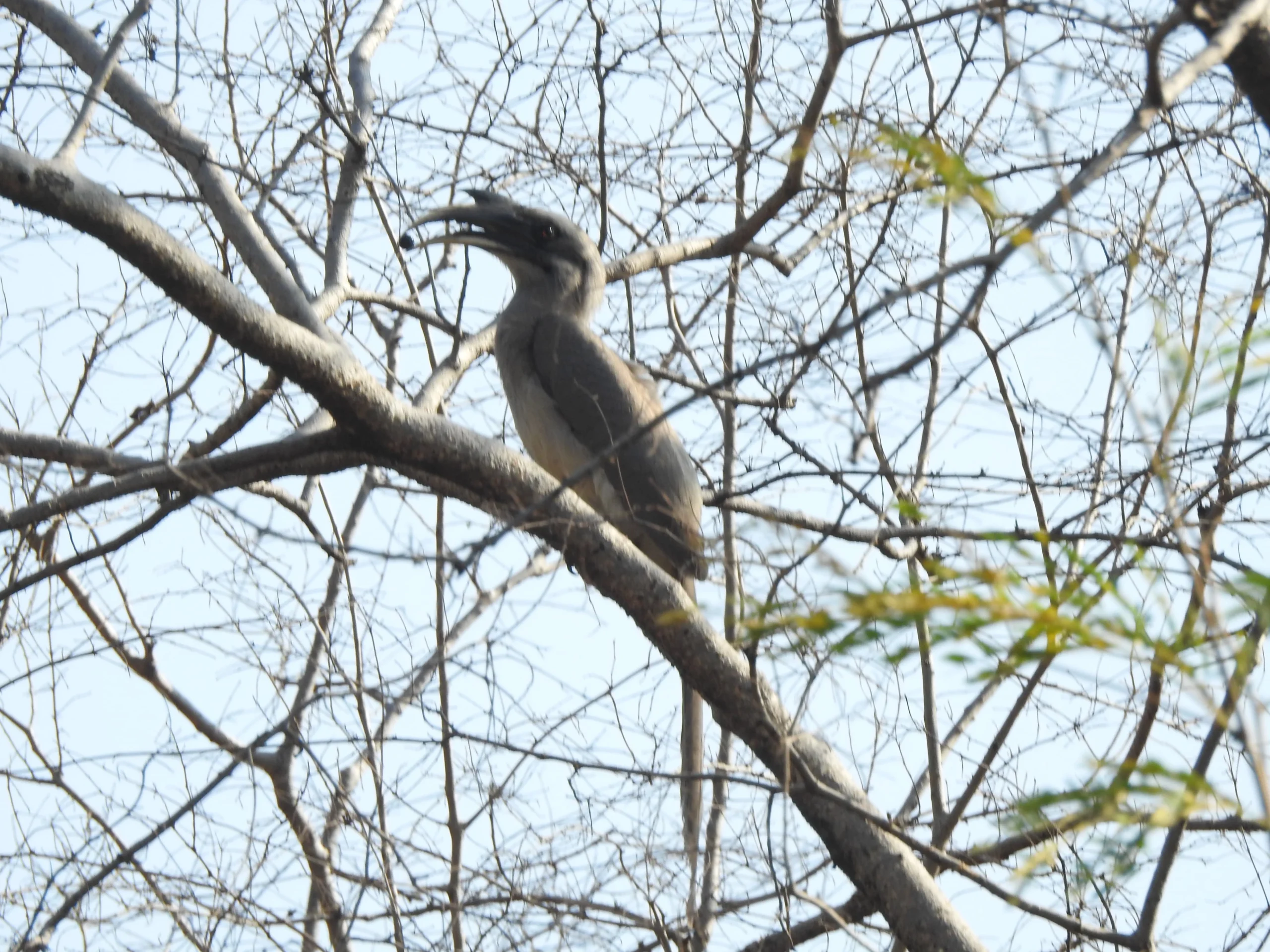
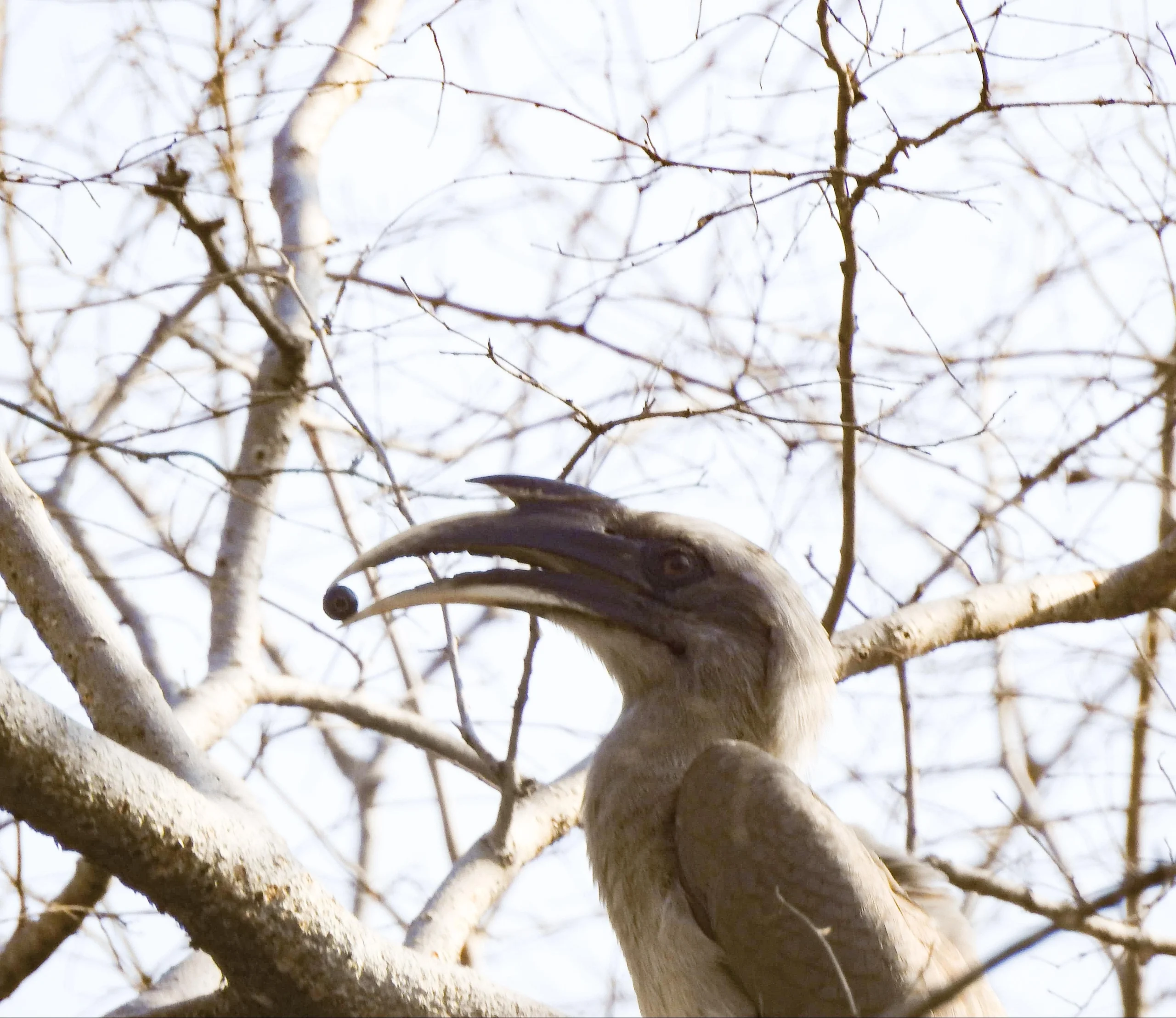
During the winter months, the adjoining Upper Lake draws large numbers of migratory waterbirds, many of which can also be observed from within the museum premises. Species such as common hawk cuckoo, indian grey hornbill, greater coucal, subirds are regular visitors, while flocks of gulls and terns enliven the waterscape. Together, the resident woodland birds and the seasonal migrants make IGRMS not just a cultural treasure but also a vibrant birdwatching destination, where art, history, and ecology seamlessly converge.

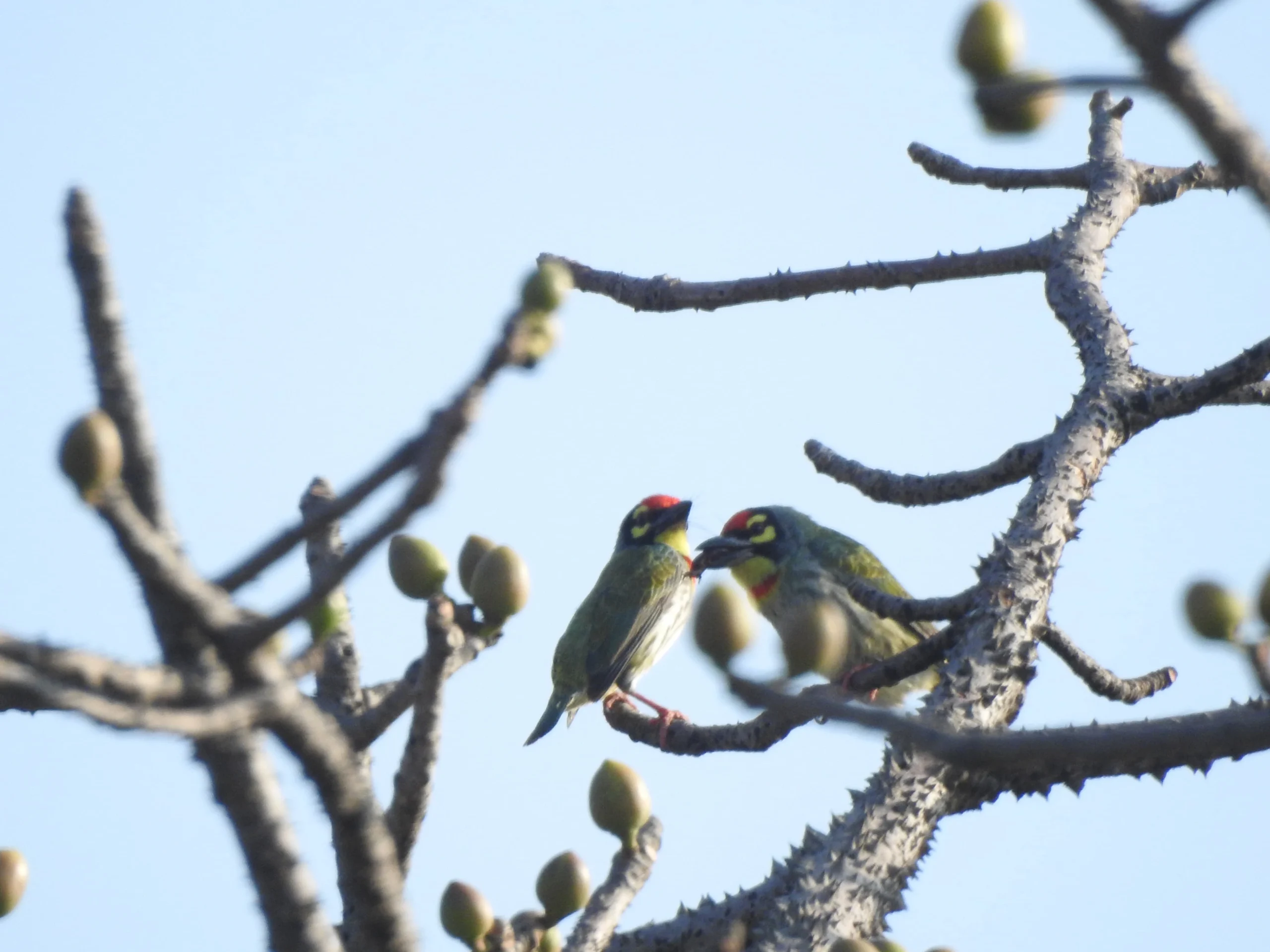
Coppersmith Barbet
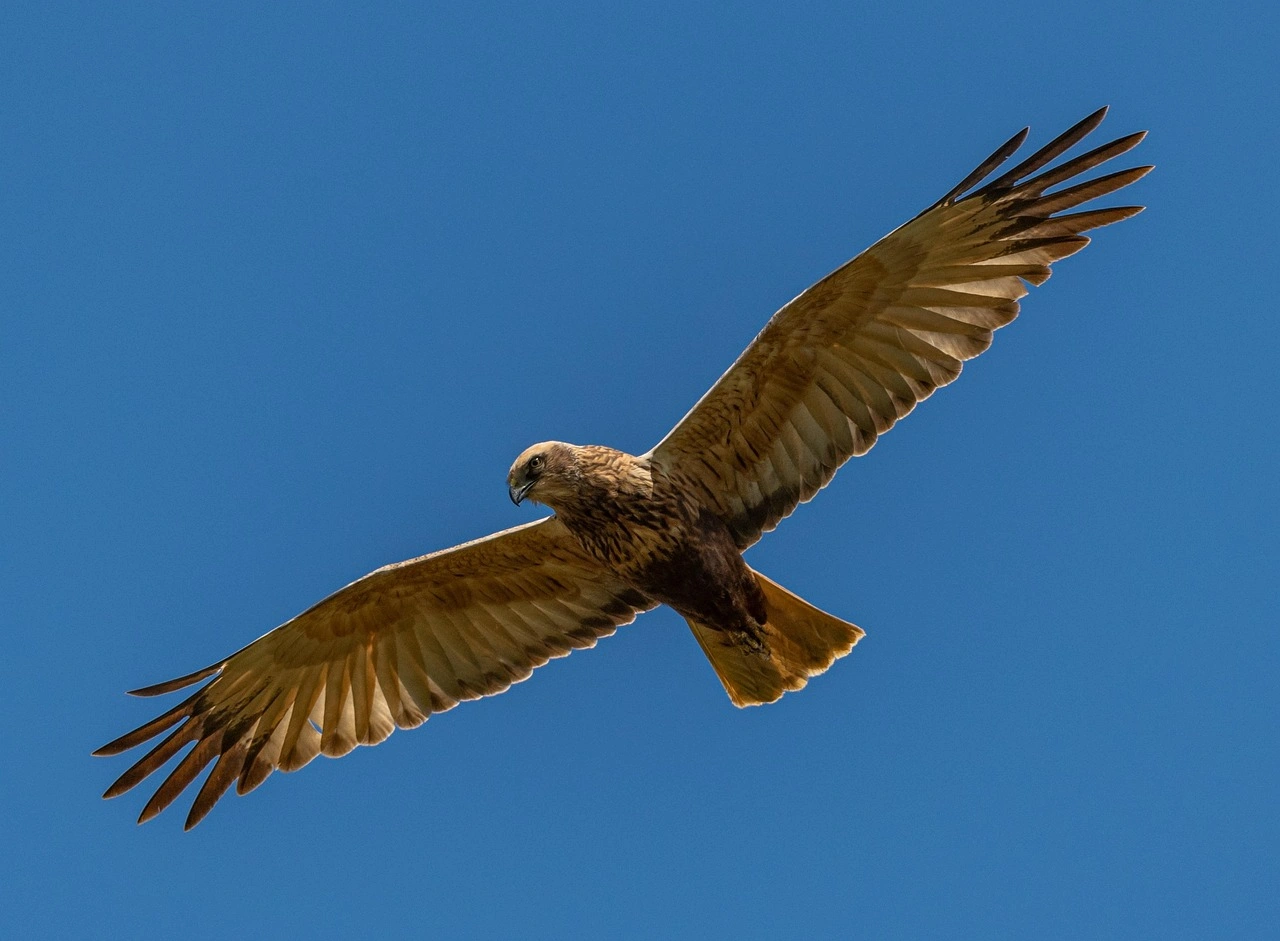
Marsh Harrier
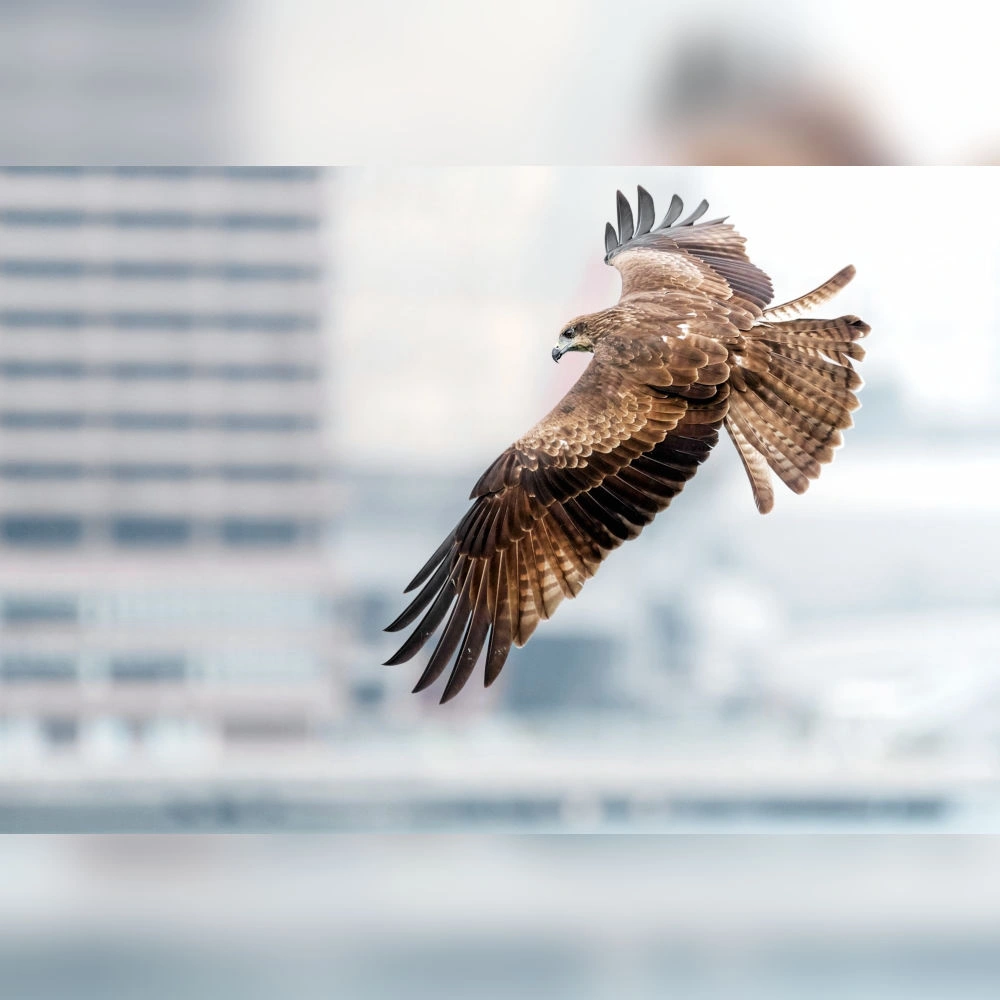
Black Kite
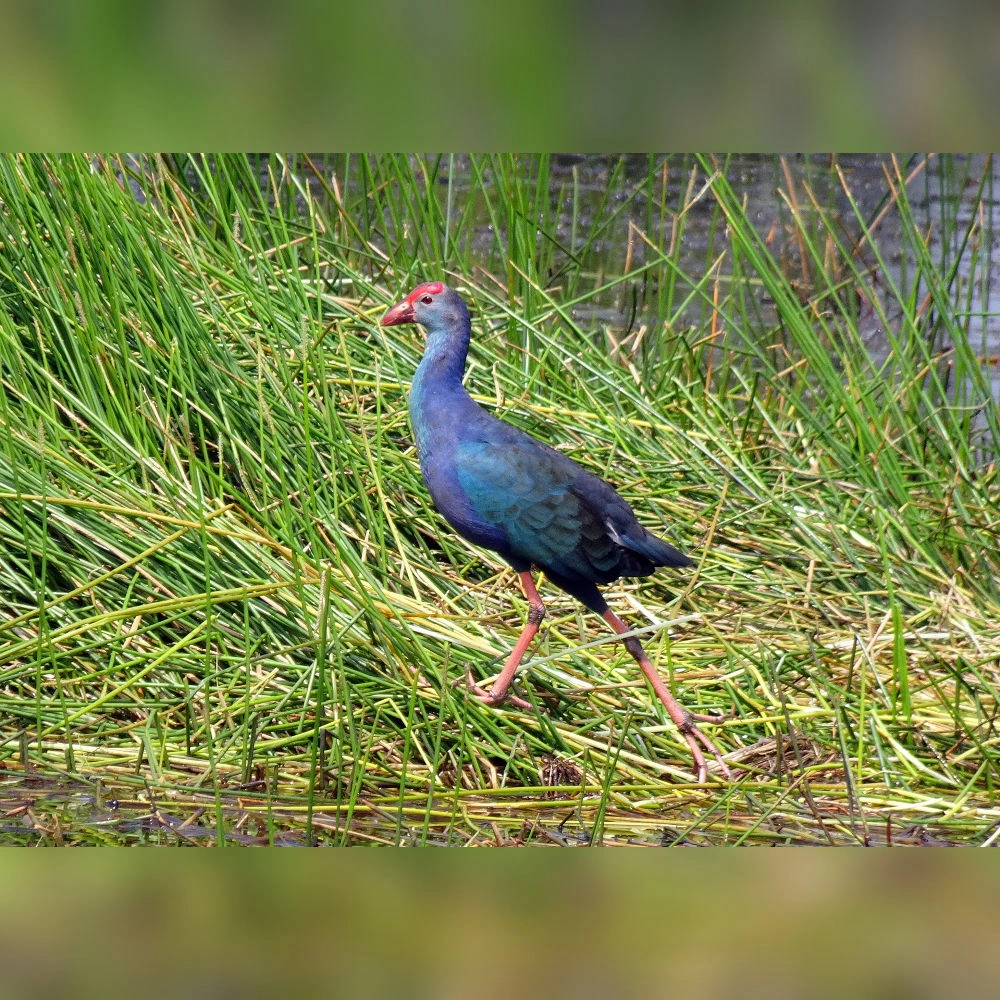
Grey-headed Swamphen
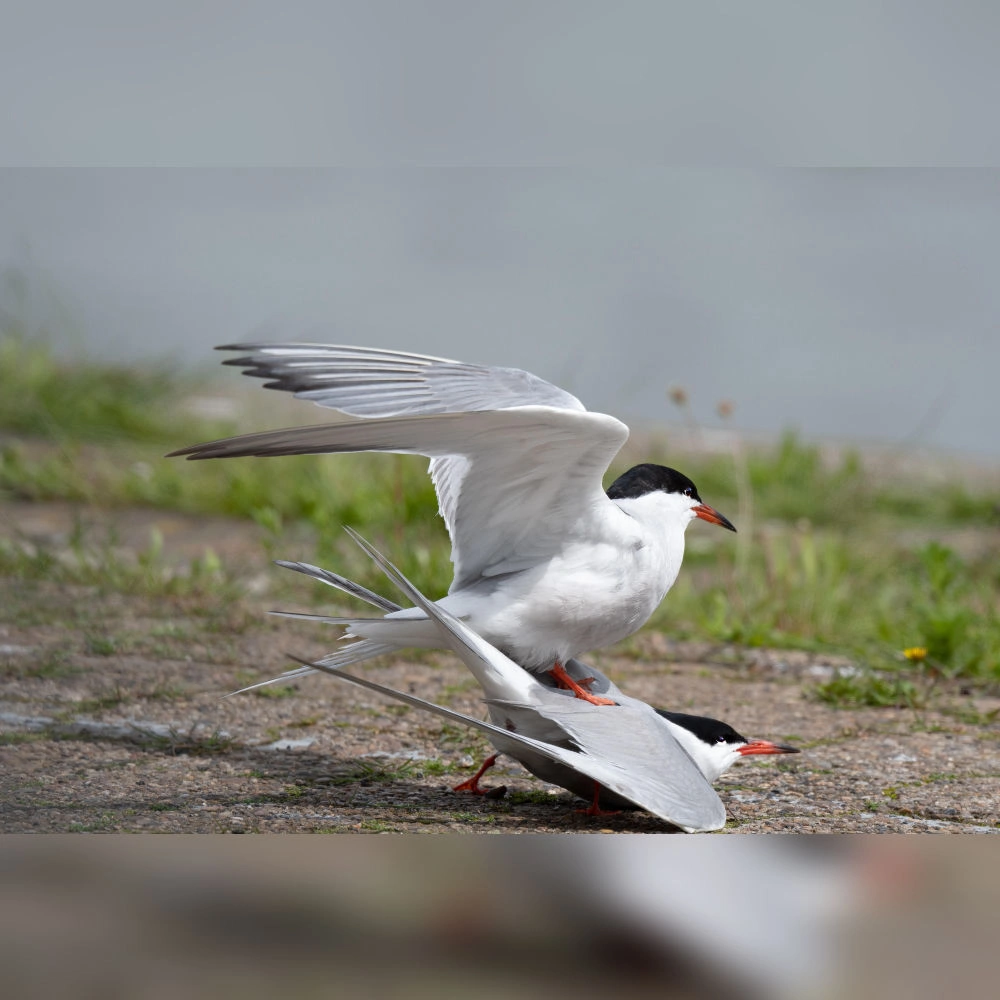
River Tern
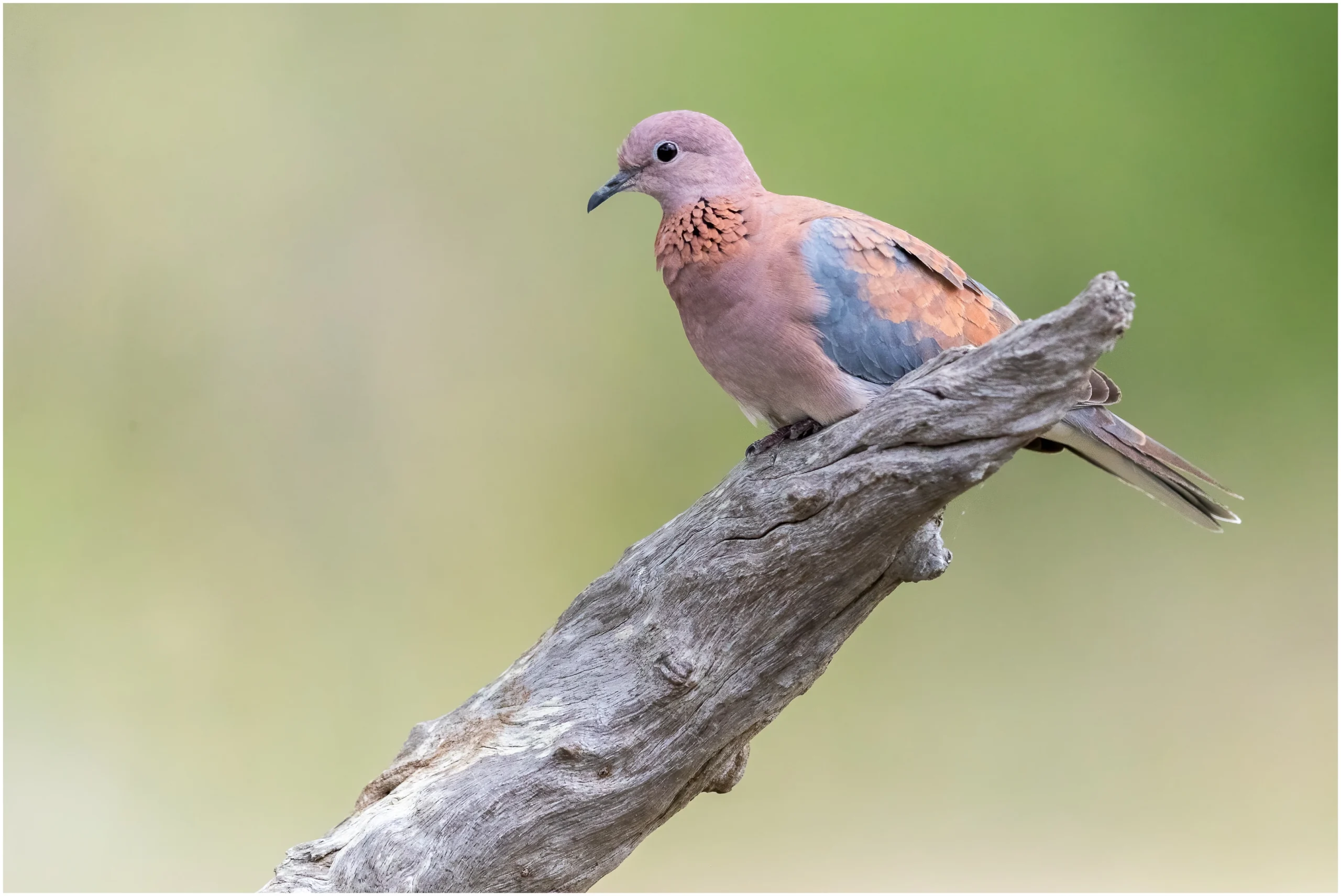
Laughing Dove
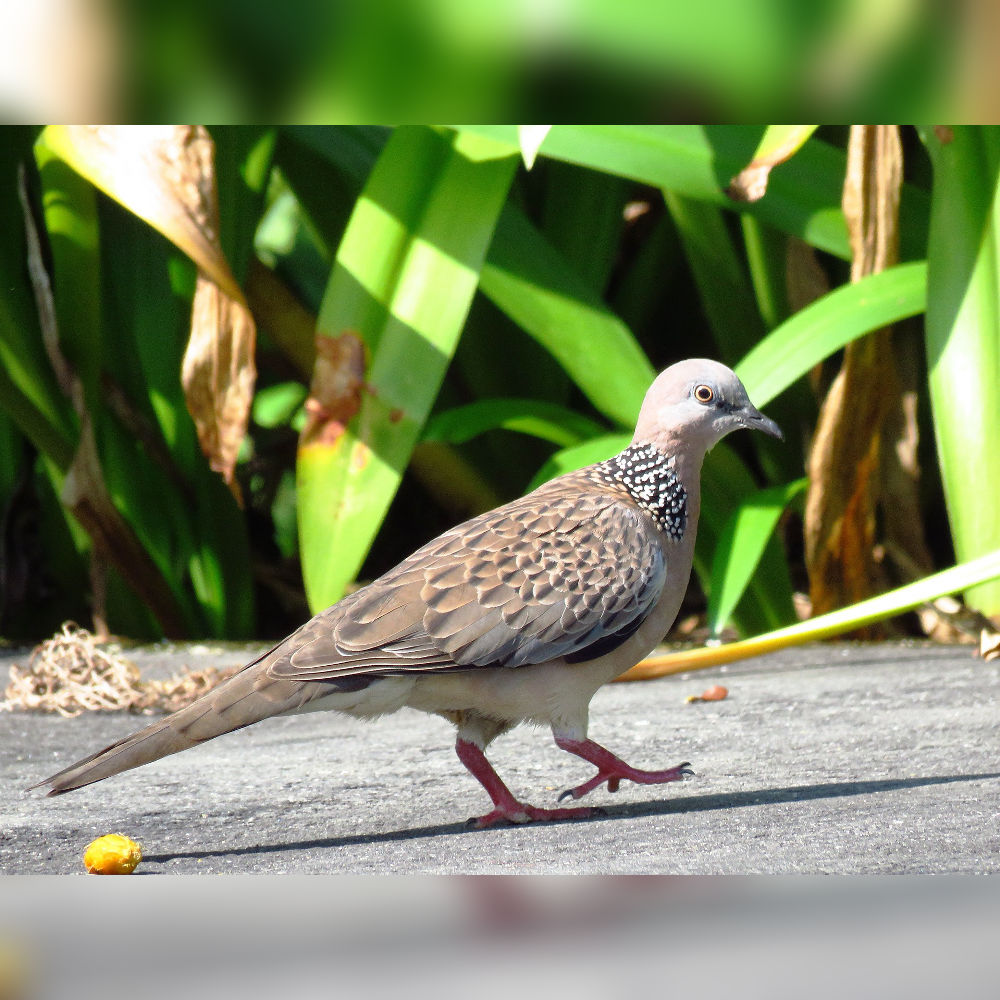
Spotted Dove
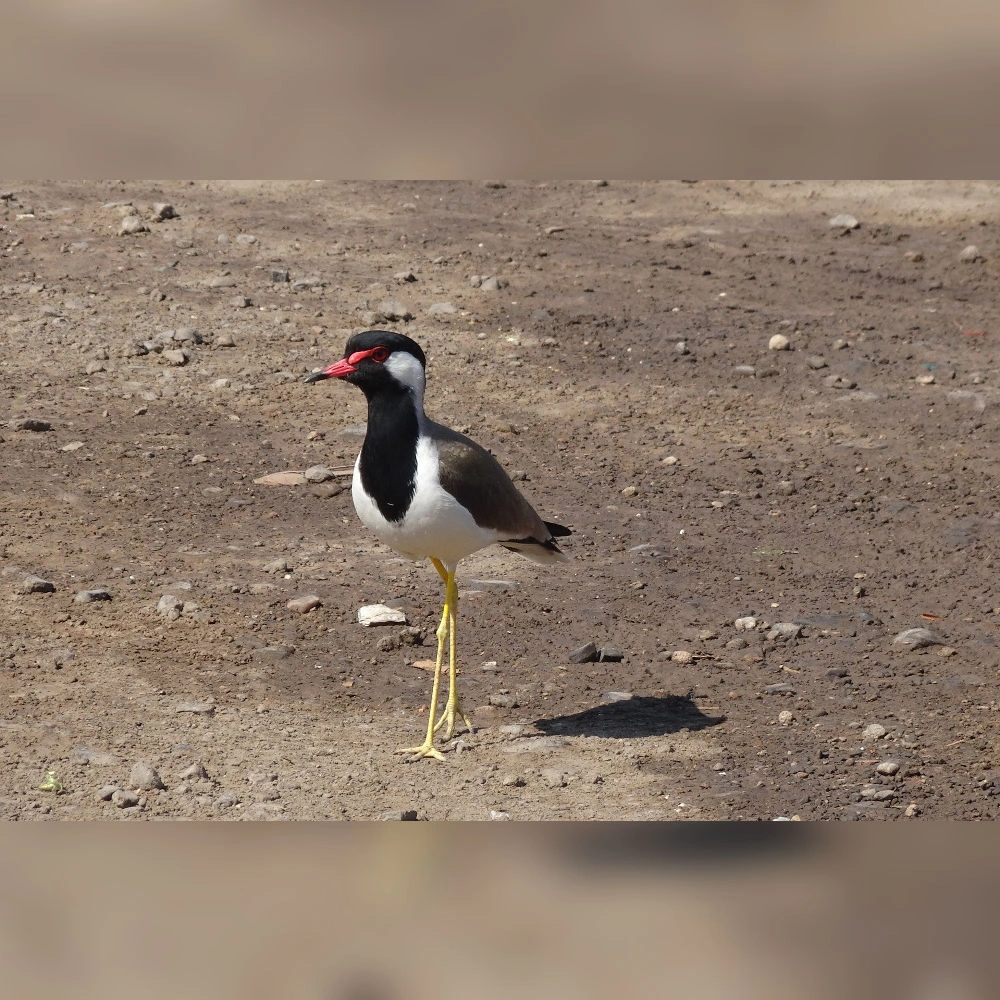
Red-wattled Lapwing
Wire-tailed Swallow
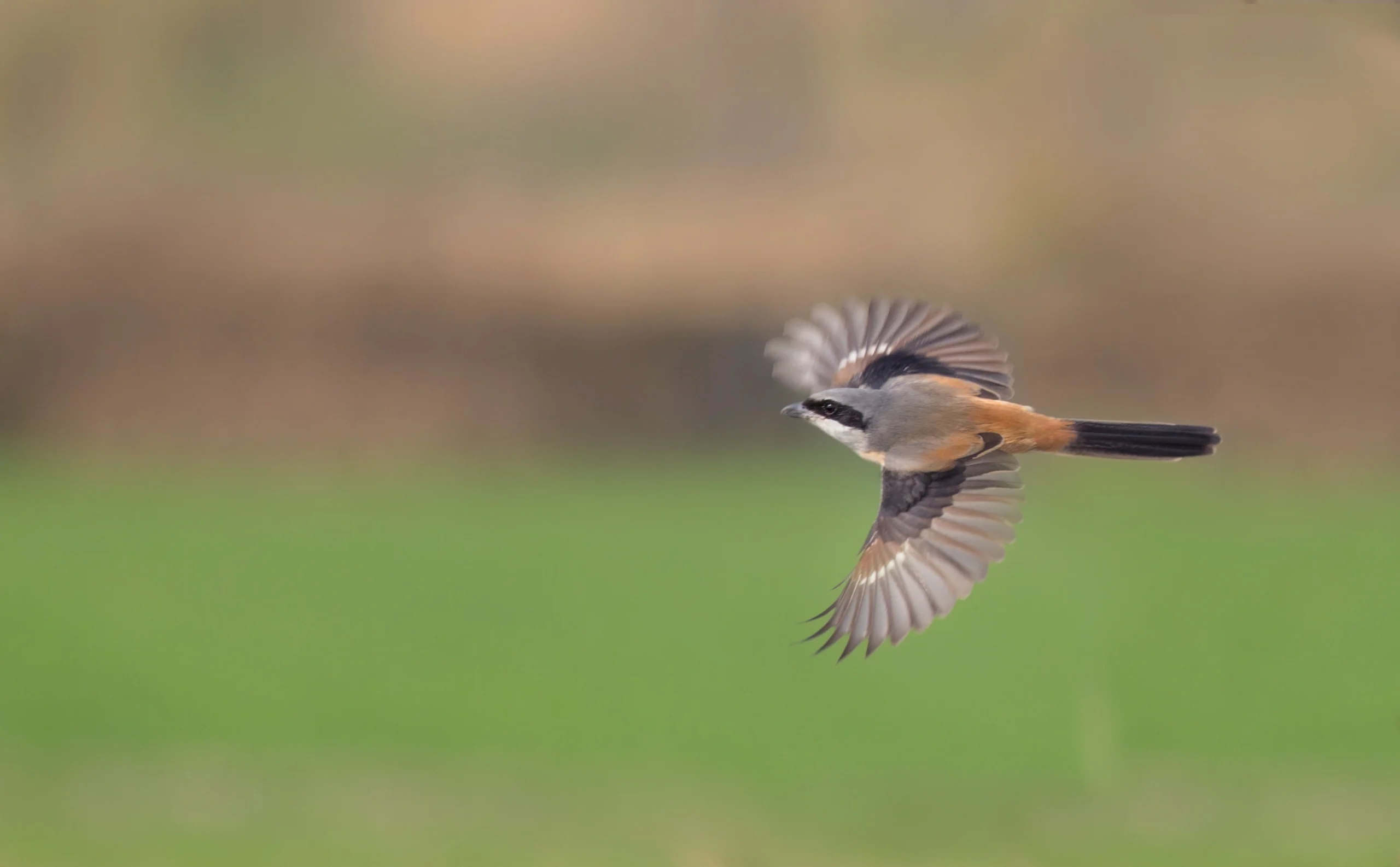
Long-tailed Shrike
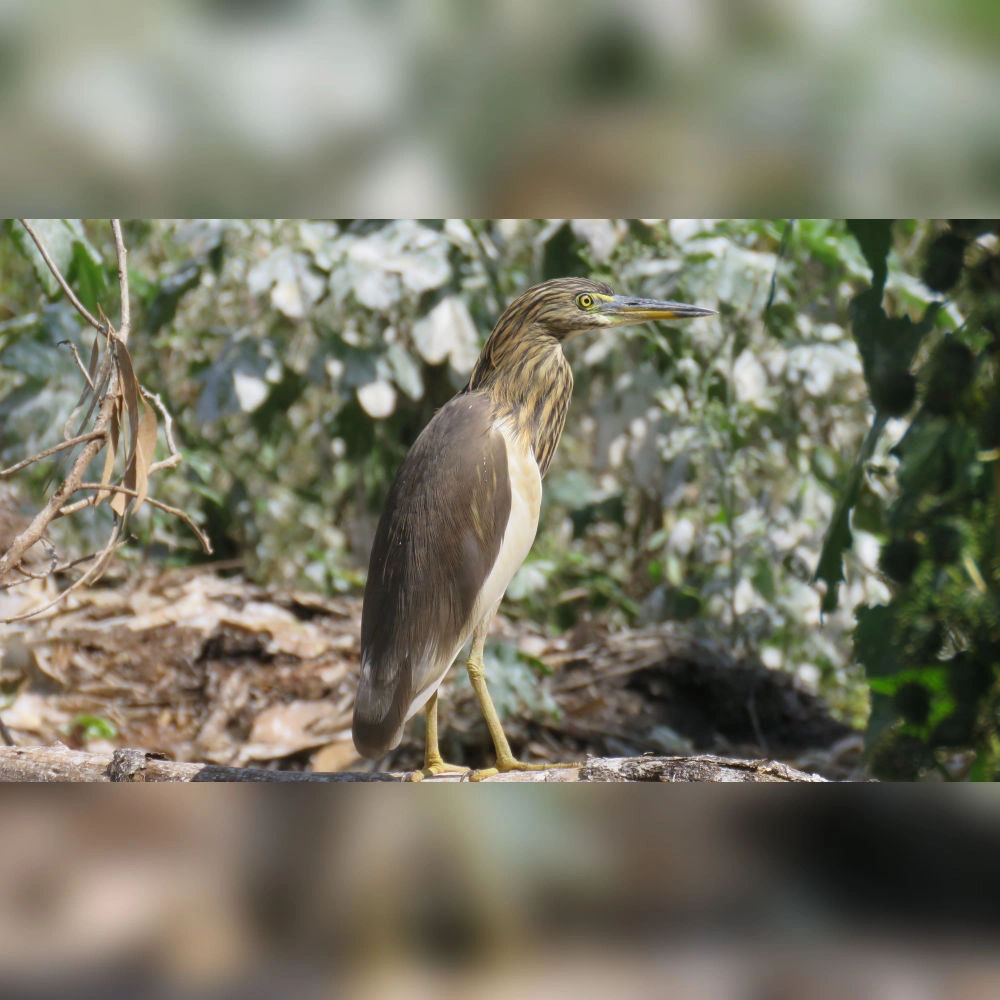
Indian Pond Heron
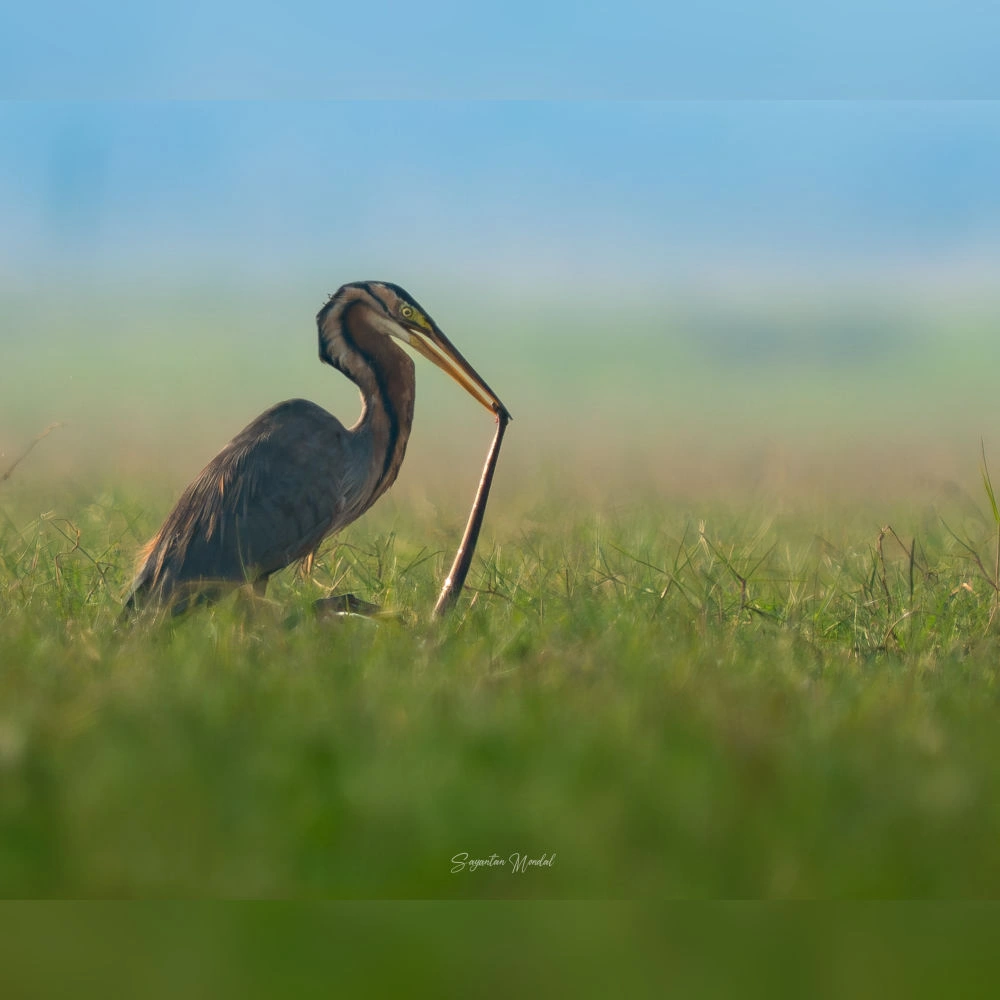
Purple Heron
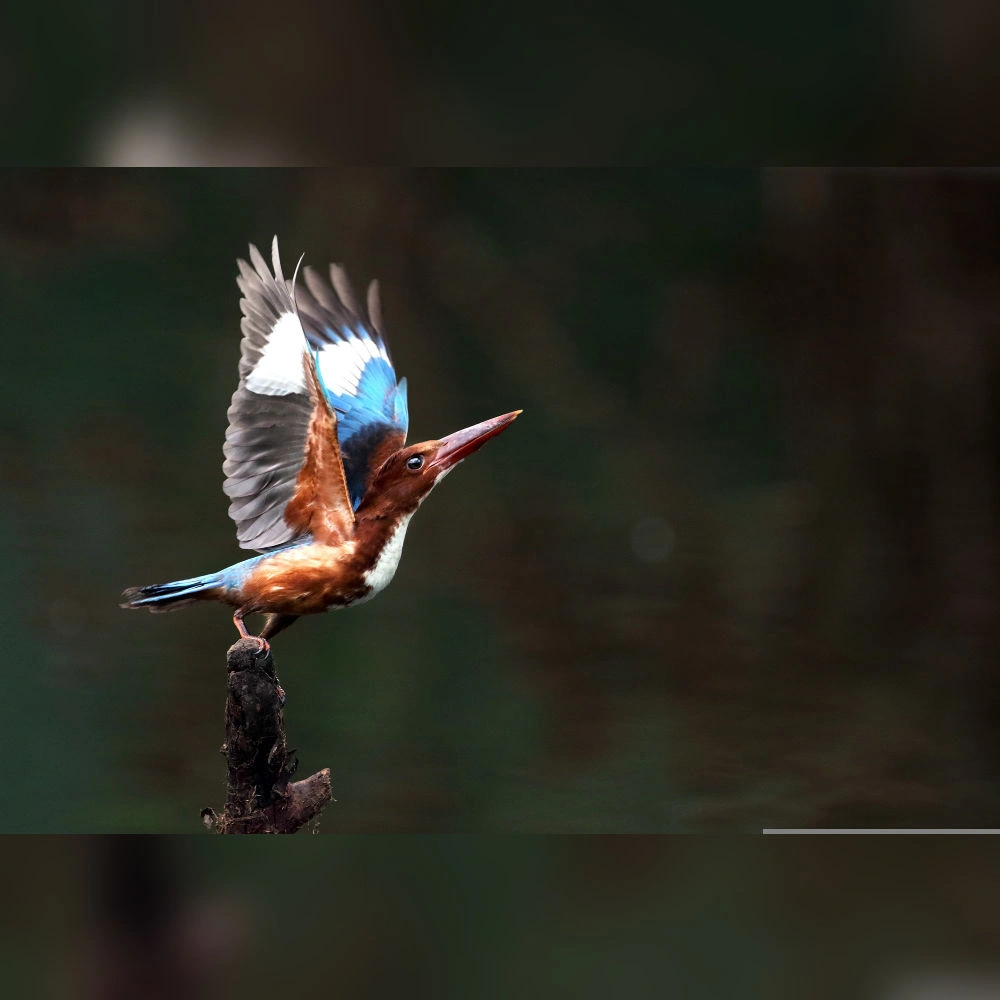
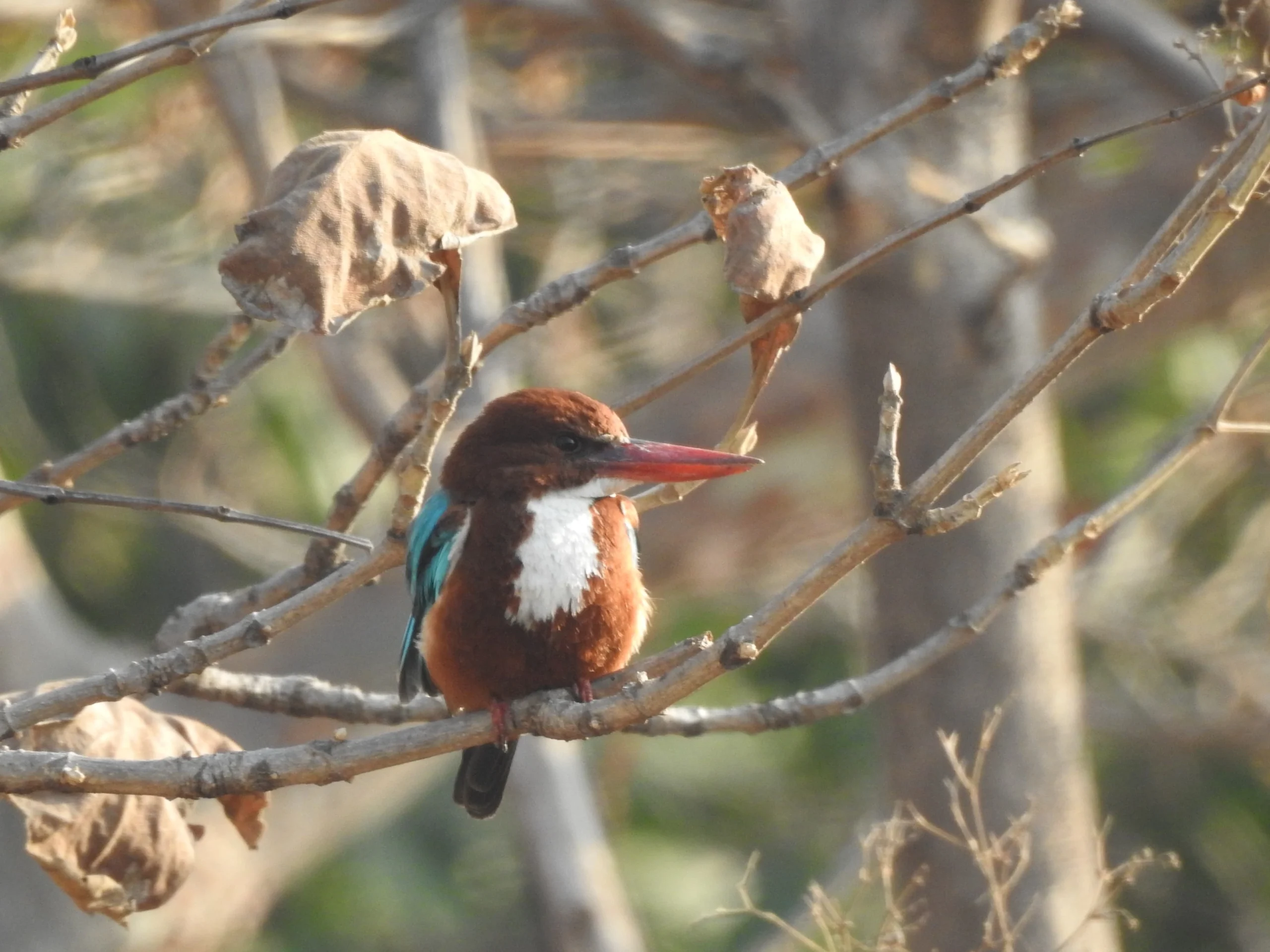
White-throated Kingfisher
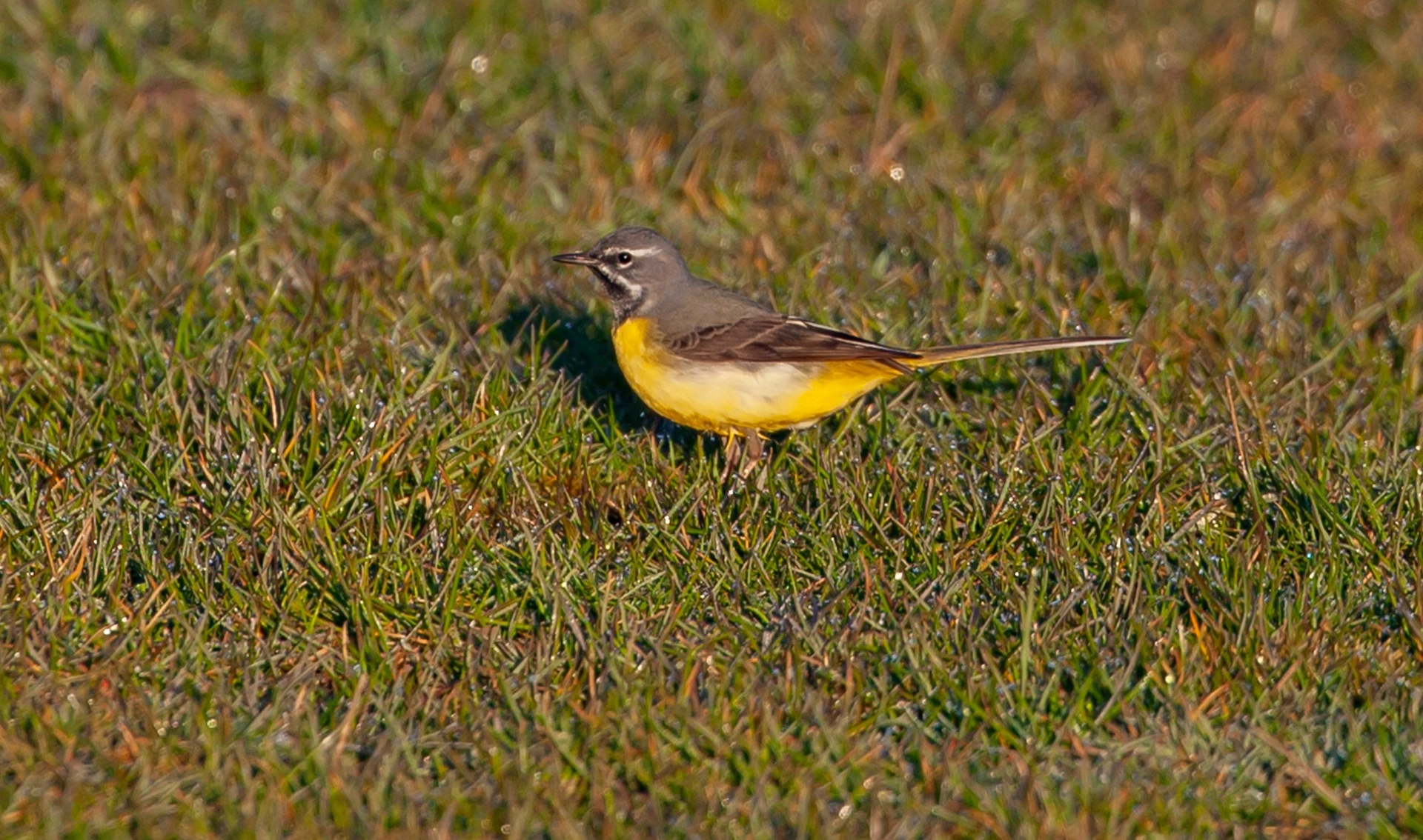
Grey Wagtail
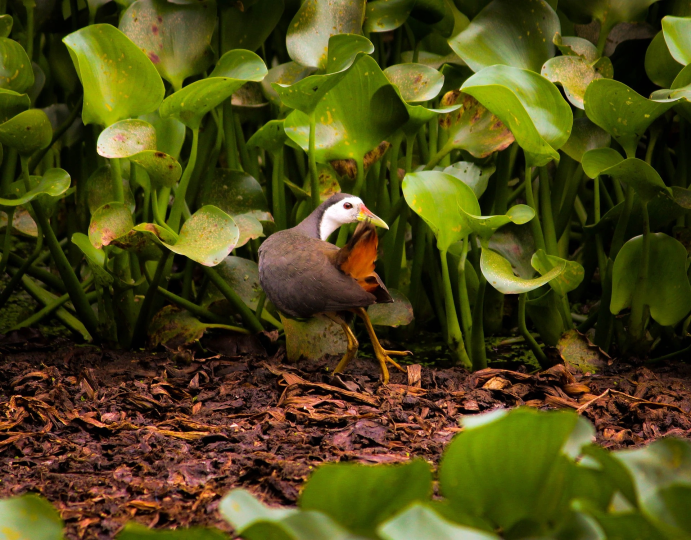
White-breasted Waterhen
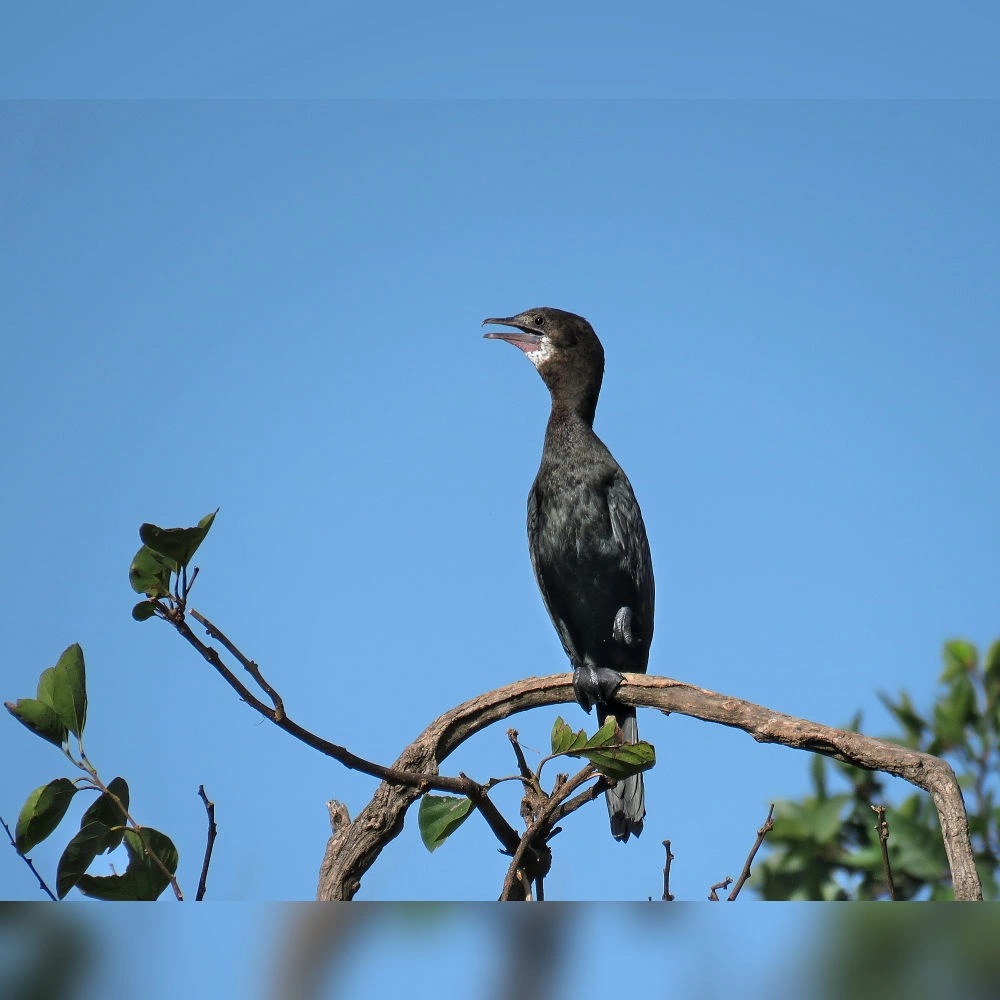
Little Cormorant
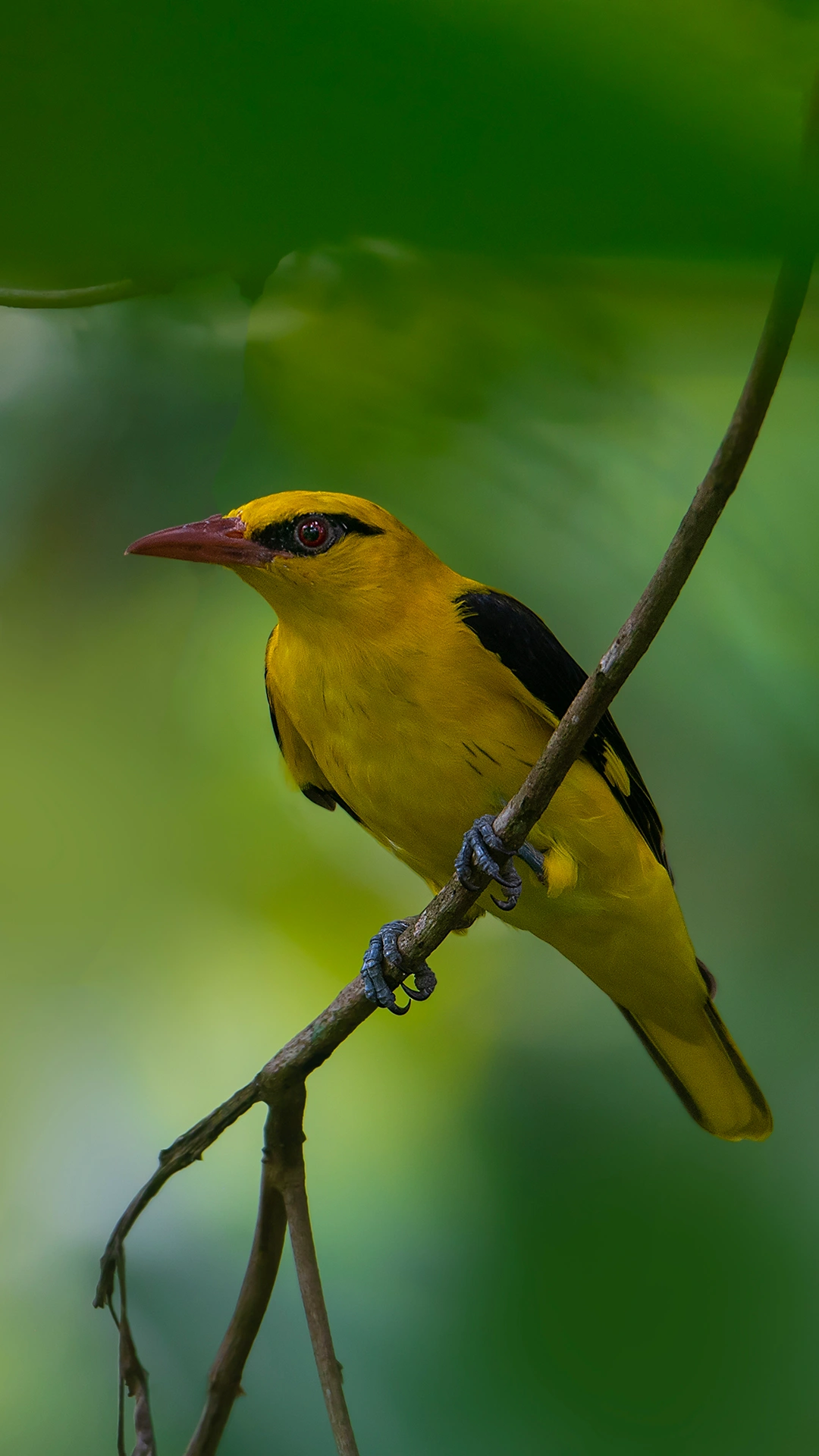
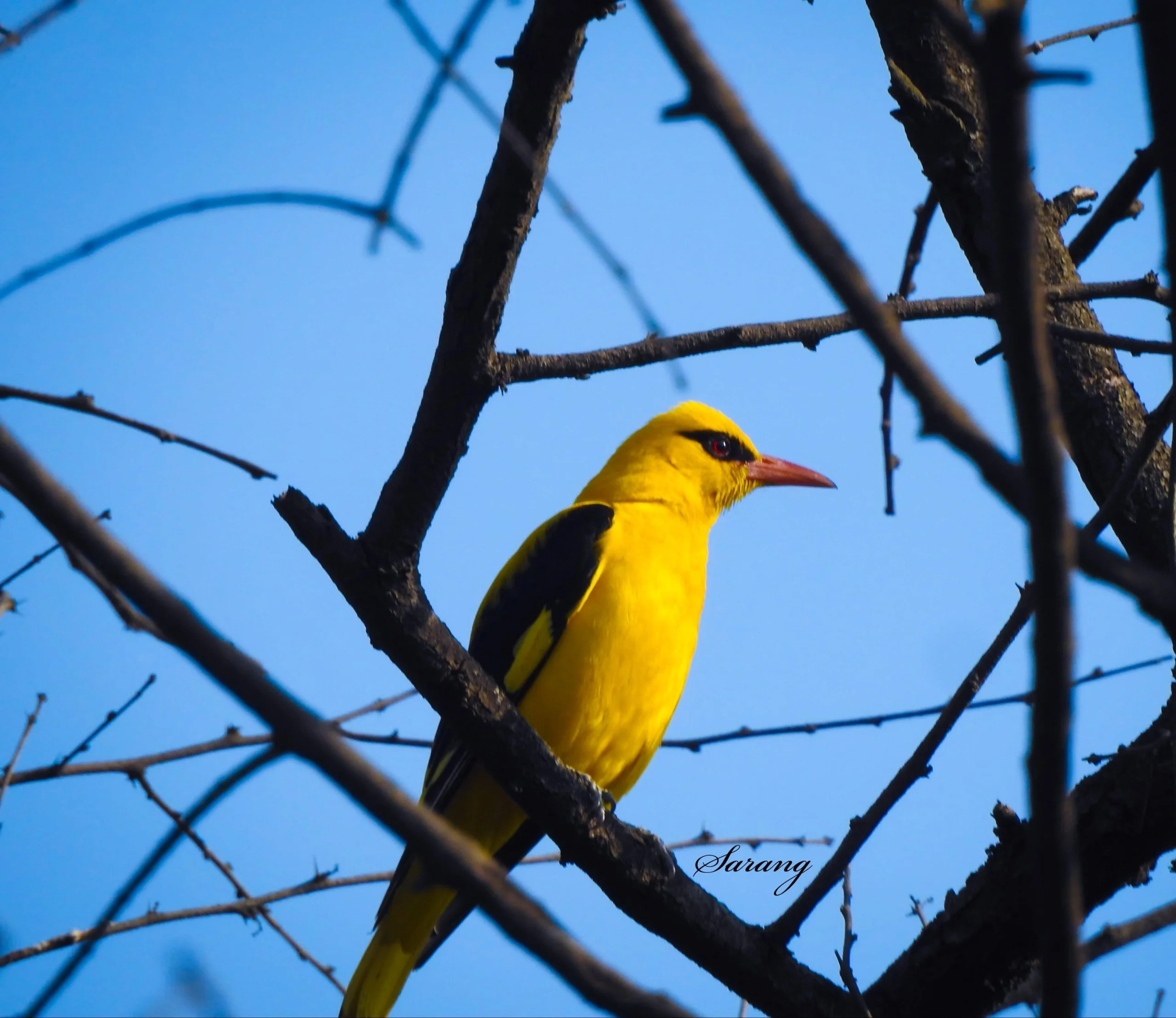
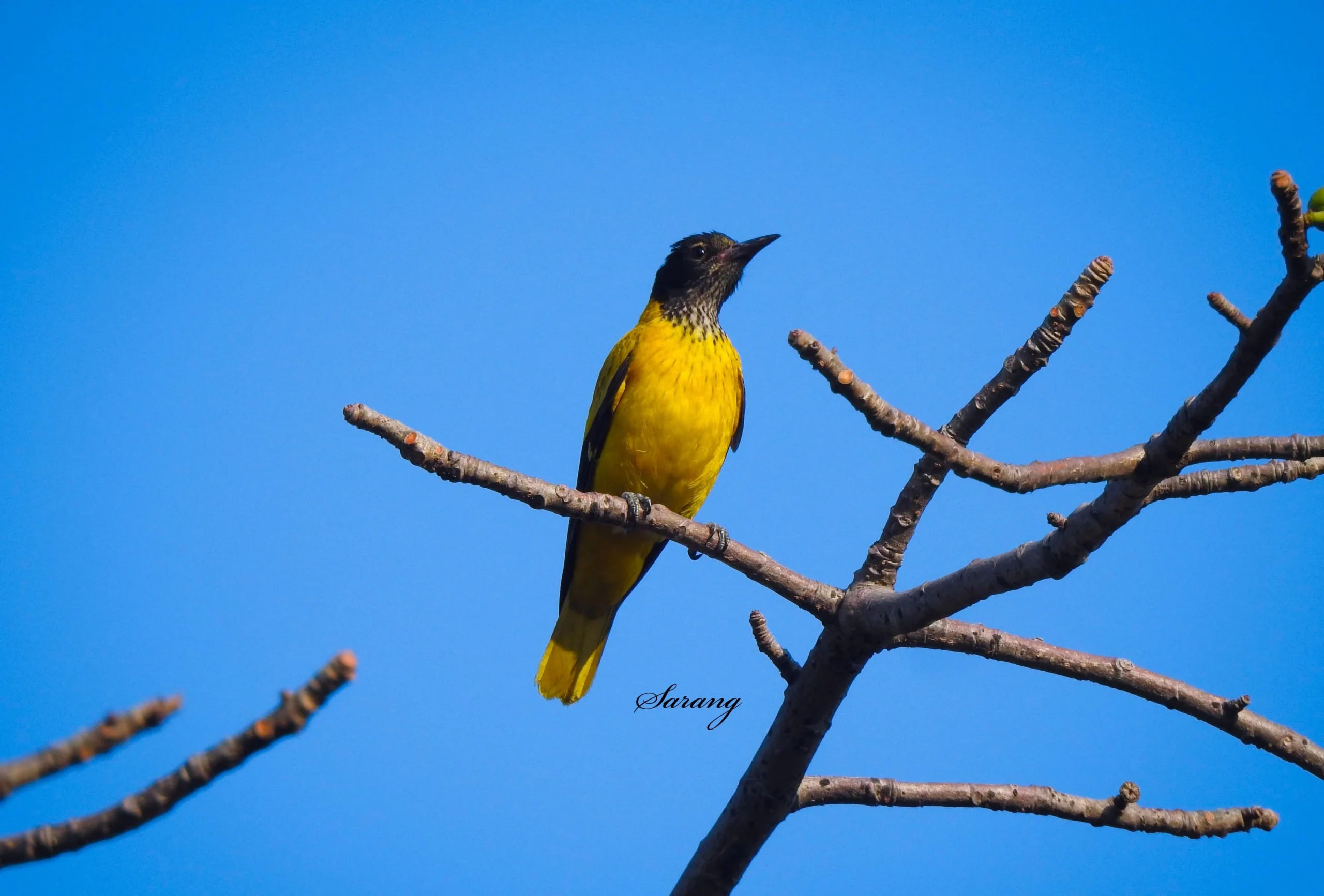
Golden Oriole
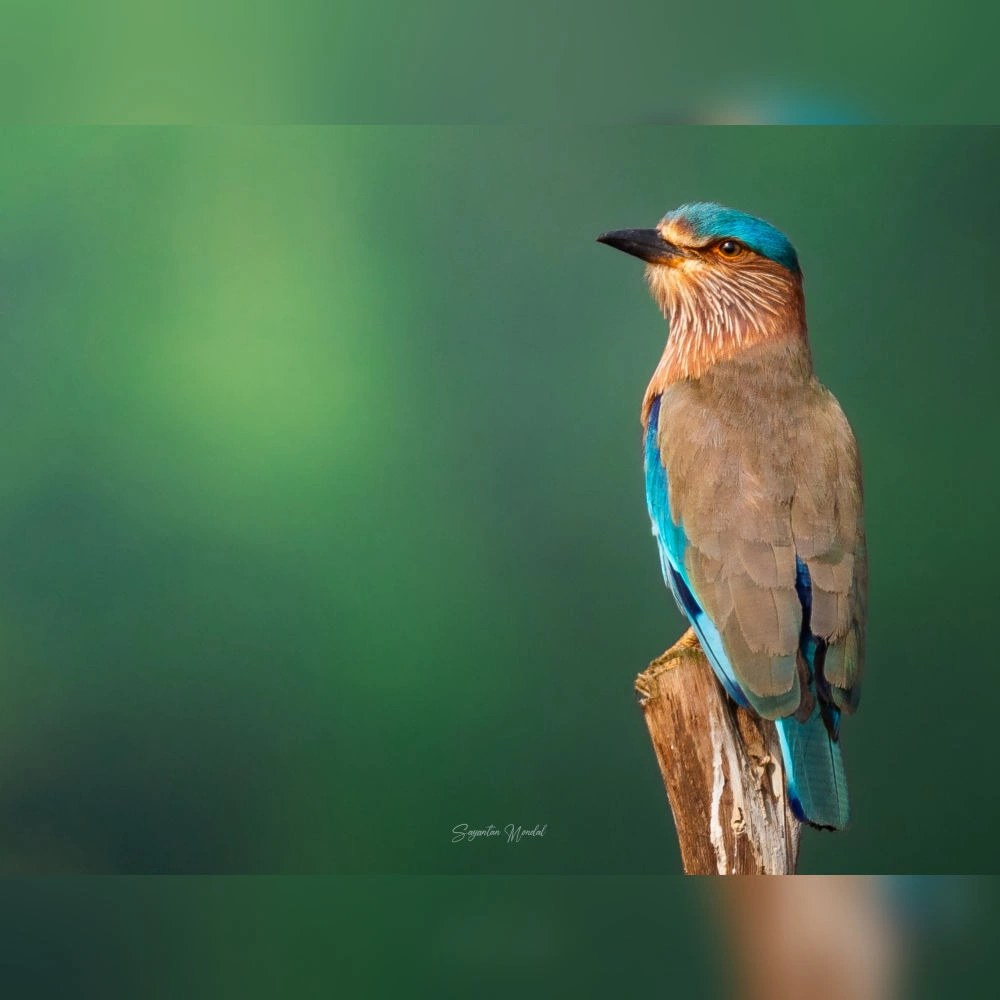
Indian Roller
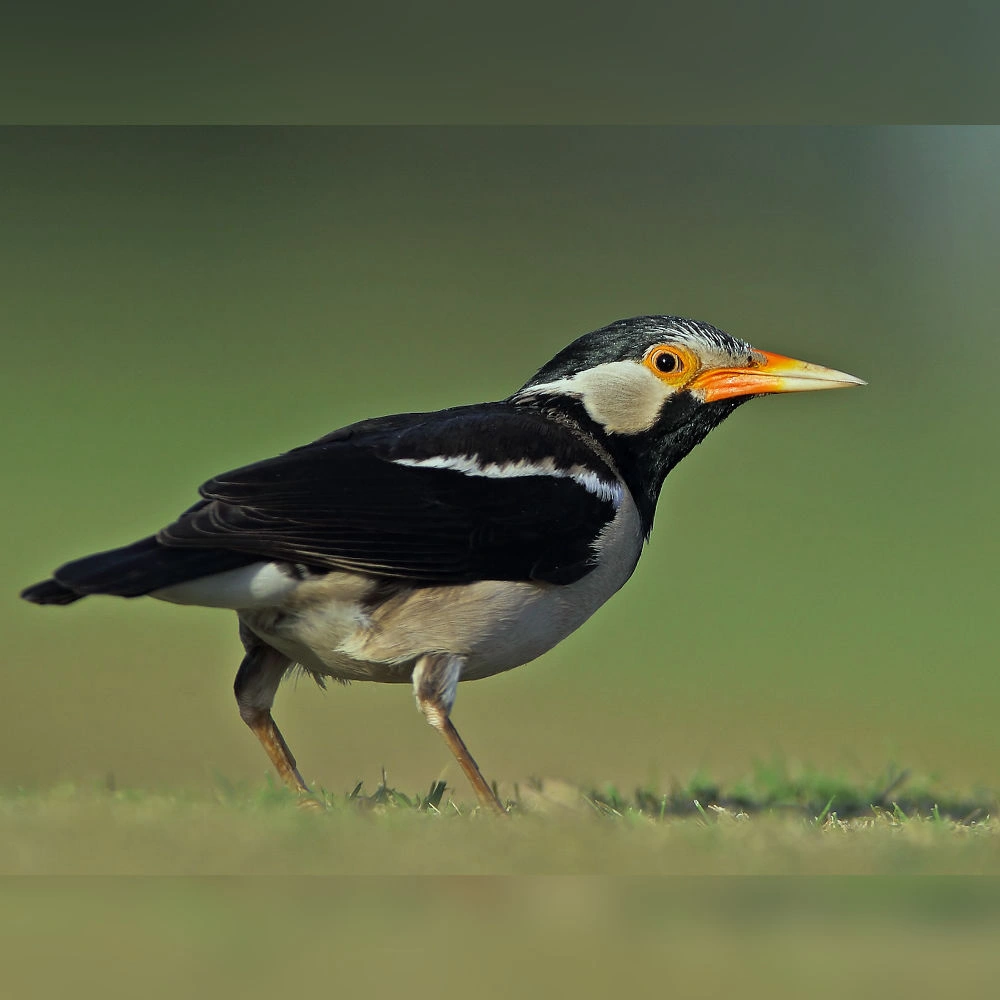
Asian Pied Starling
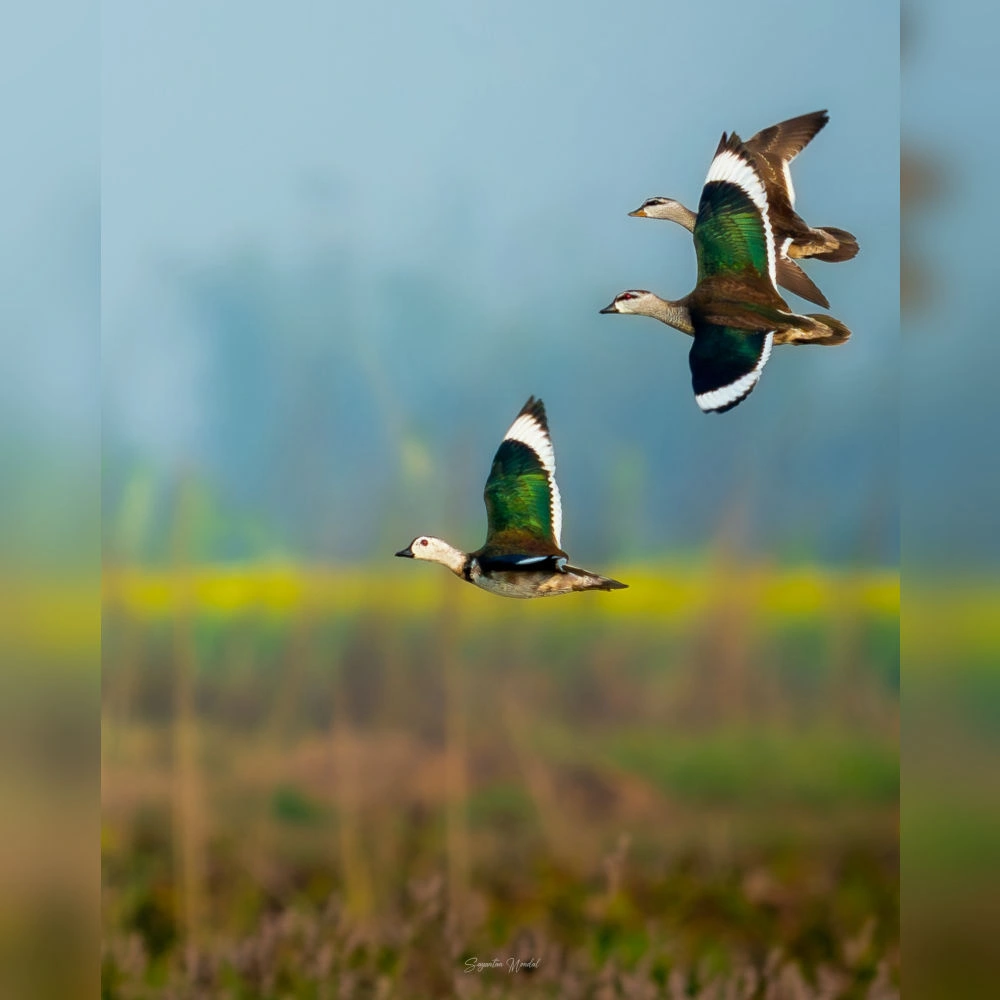
Cotton Pygmy Goose
Scroll to Top