

Bird Walk at Sal Patch, Chandrabani, Dehradun
- Dehradun
- 13 June, 2026
- Rs 150/- per head
- Fee collected goes entirely to the bird guide. Ataavi does not retain or profit from this amount.
About Sal Patch, Chandrabani
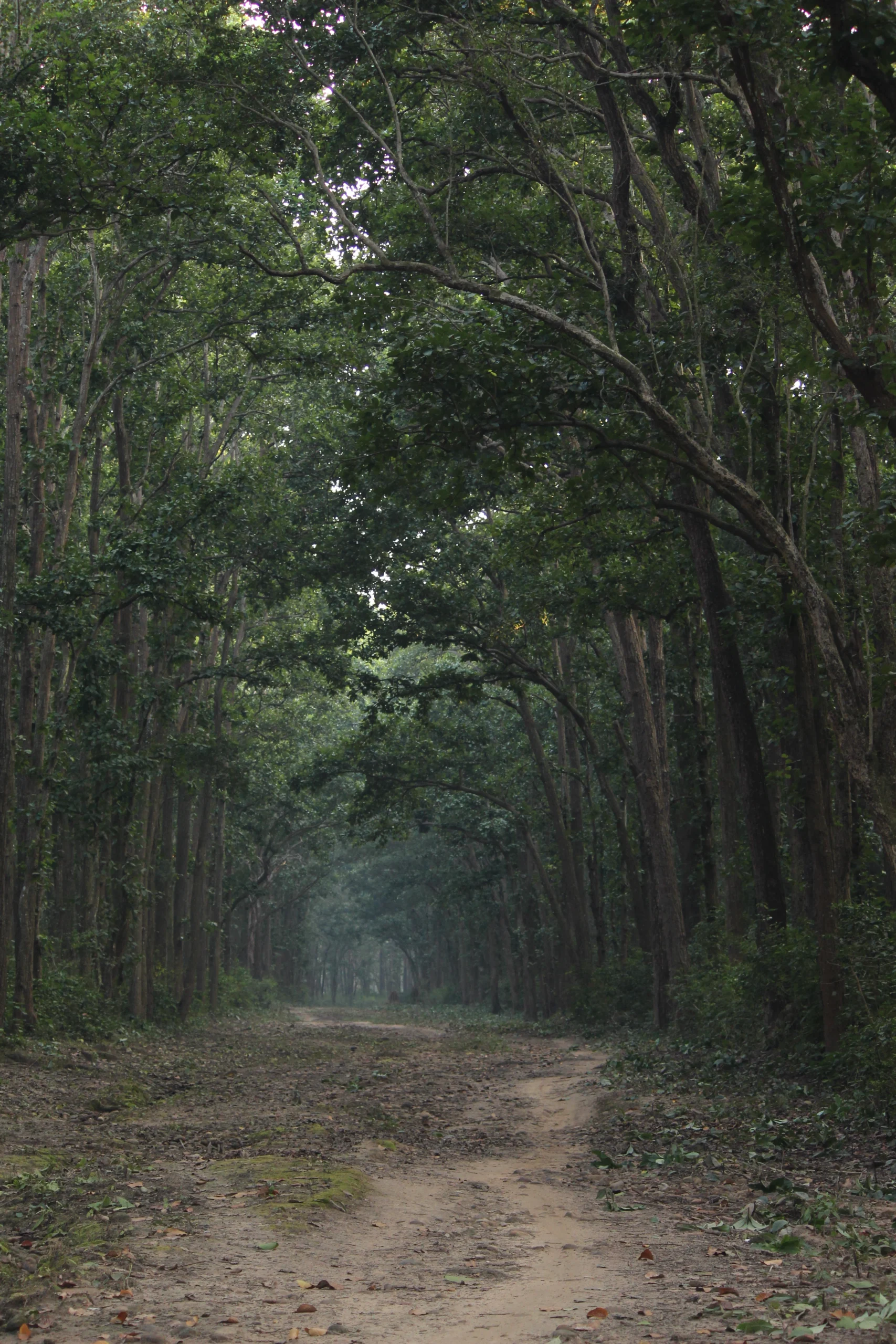
Tucked within the green outskirts of Chandrabani, the Sal Patch is a tranquil stretch of forest dominated by towering Sal (Shorea robusta) trees, forming a dense canopy that filters sunlight into a soft, golden glow. This patch represents the classic foothill habitat of the Himalayan terai, where moist deciduous forests blend with undergrowth, shrubs, and seasonal streams. The forest floor is alive with insects and small mammals, while the mid and upper canopy host a variety of birds, making it an ecologically rich and layered habitat.
For birders and nature enthusiasts, Sal Patch offers a peaceful yet rewarding experience, with every trail echoing with calls, songs, and movement. From vibrant canopy dwellers to shy understorey species, the diversity here reflects the health of this forest ecosystem. However, increasing urban expansion around Dehradun, habitat fragmentation, and human disturbance pose growing threats to such pockets. Preserving areas like Sal Patch is crucial—not just for biodiversity, but for maintaining green buffers that sustain both wildlife and the human communities around them.

Bird Guide: Ashika Talreja
Ashika Talreja is a Project Associate with the Birds Component of the WII–NMCG project at the Wildlife Institute of India, with over 7 years of experience in avian research and conservation. She specializes in bird monitoring and habitat assessment, combining field expertise with a strong focus on conservation.
Bird walk Location
Common birds of Sal Patch, Chandrabani
The birdlife of Sal Patch, Chandrabani, showcases a delightful mix of forest specialists and edge species, making every walk dynamic and engaging. The canopy often reveals flashes of colour with Rosy Minivets moving in small flocks, while the striking Black-hooded Oriole adds bursts of yellow against the green backdrop. Woodpeckers such as the Gray-capped Pygmy and Gray-headed Woodpecker bring life to tree trunks, and the elegant Indian Paradise-Flycatcher glides gracefully through the forest, often becoming a highlight sighting.
In the undergrowth and mid-storey, species like White-browed Scimitar-Babbler and Gray-breasted Prinia remain active yet elusive, while the cheerful White-crested Laughingthrush moves in noisy groups. Bee-eaters, drongos, and parakeets add movement to open patches, and the familiar calls of Oriental Magpie-Robin and Spotted Dove provide a comforting background chorus. Together, these birds paint a vivid picture of a thriving Sal forest ecosystem, making Sal Patch a must-visit for anyone looking to experience the richness of Himalayan foothill birdlife.

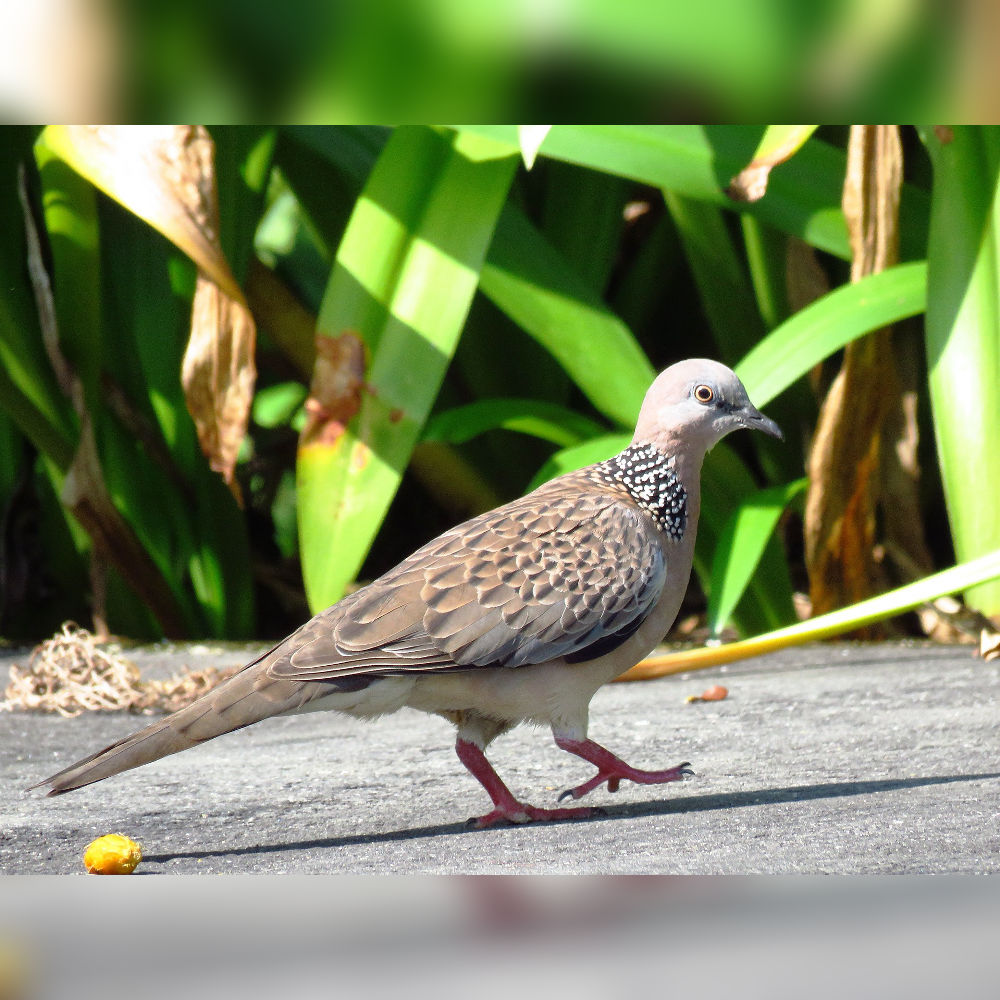
Spotted Dove

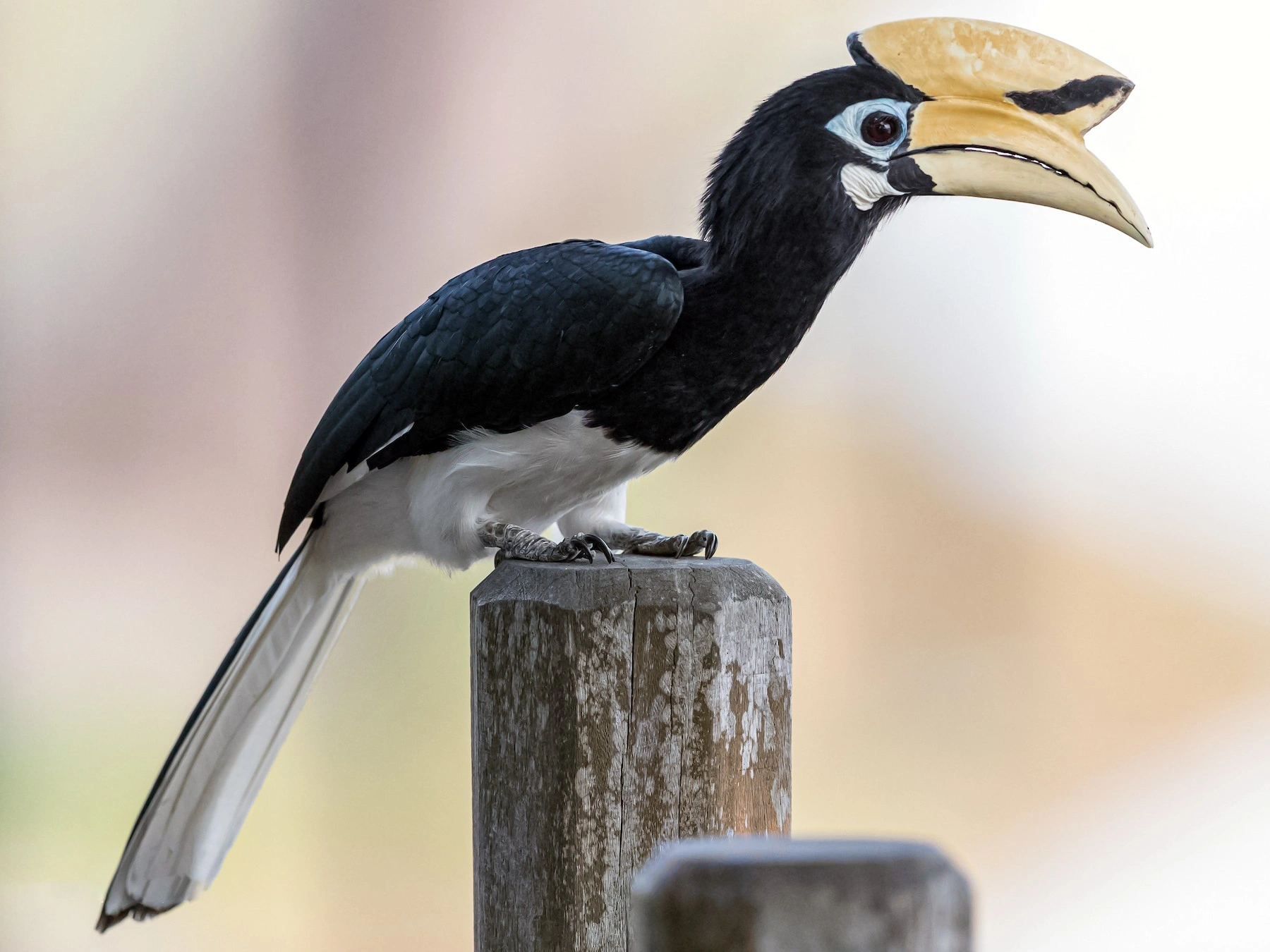
Oriental Pied Hornbill
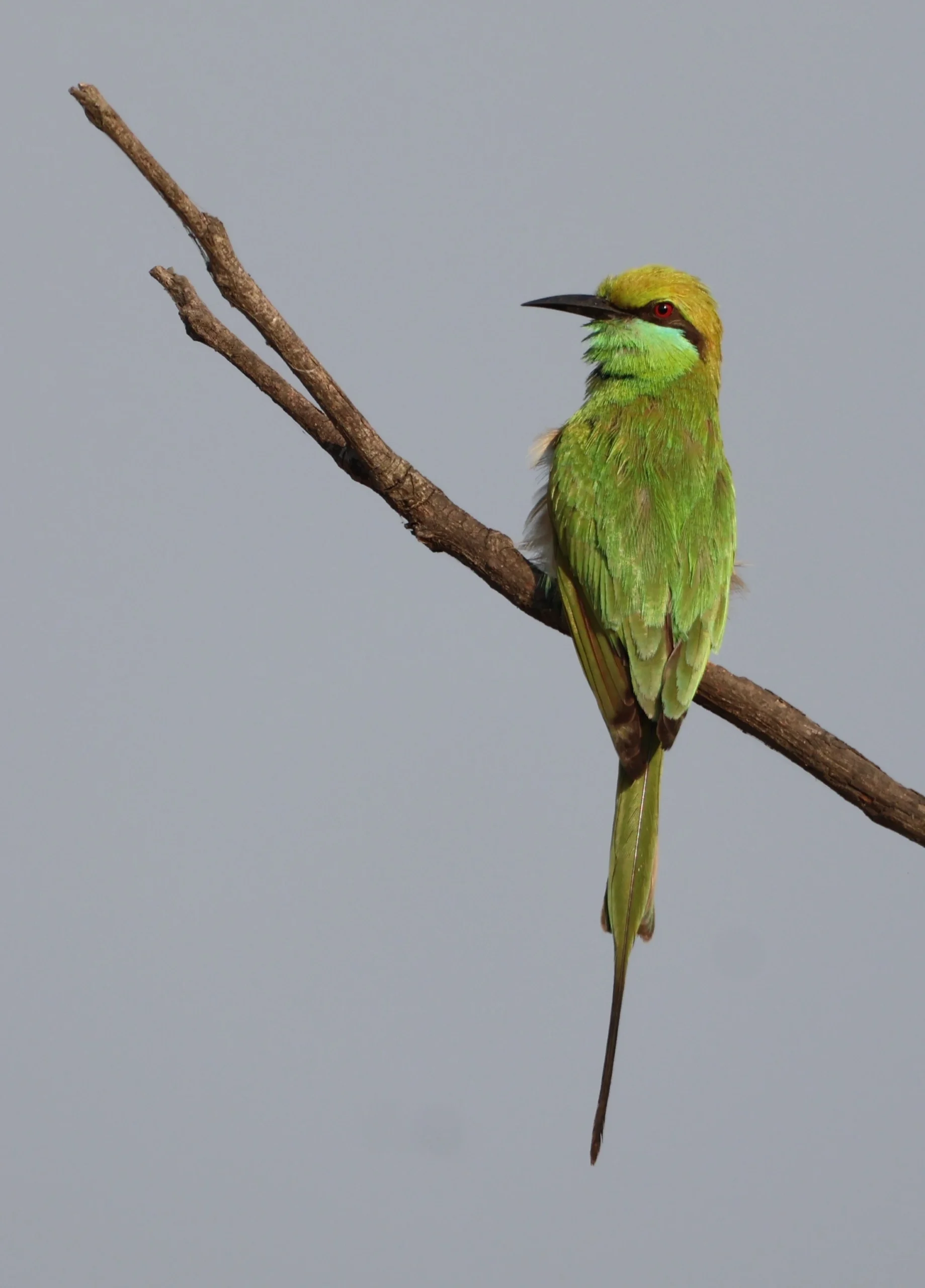
Asian Green Bee-eater
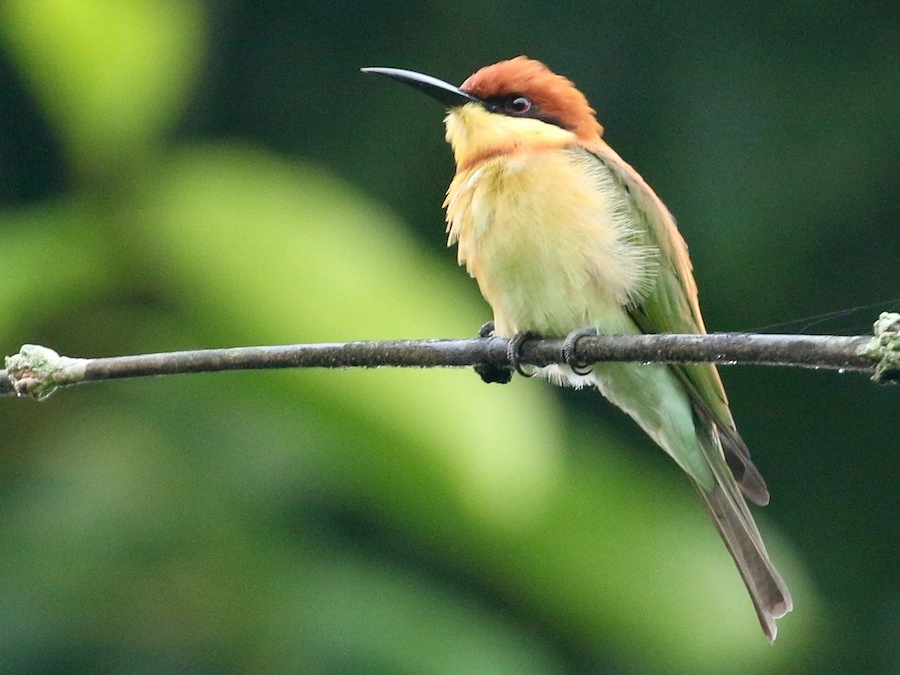
Chestnut-headed Bee-eater
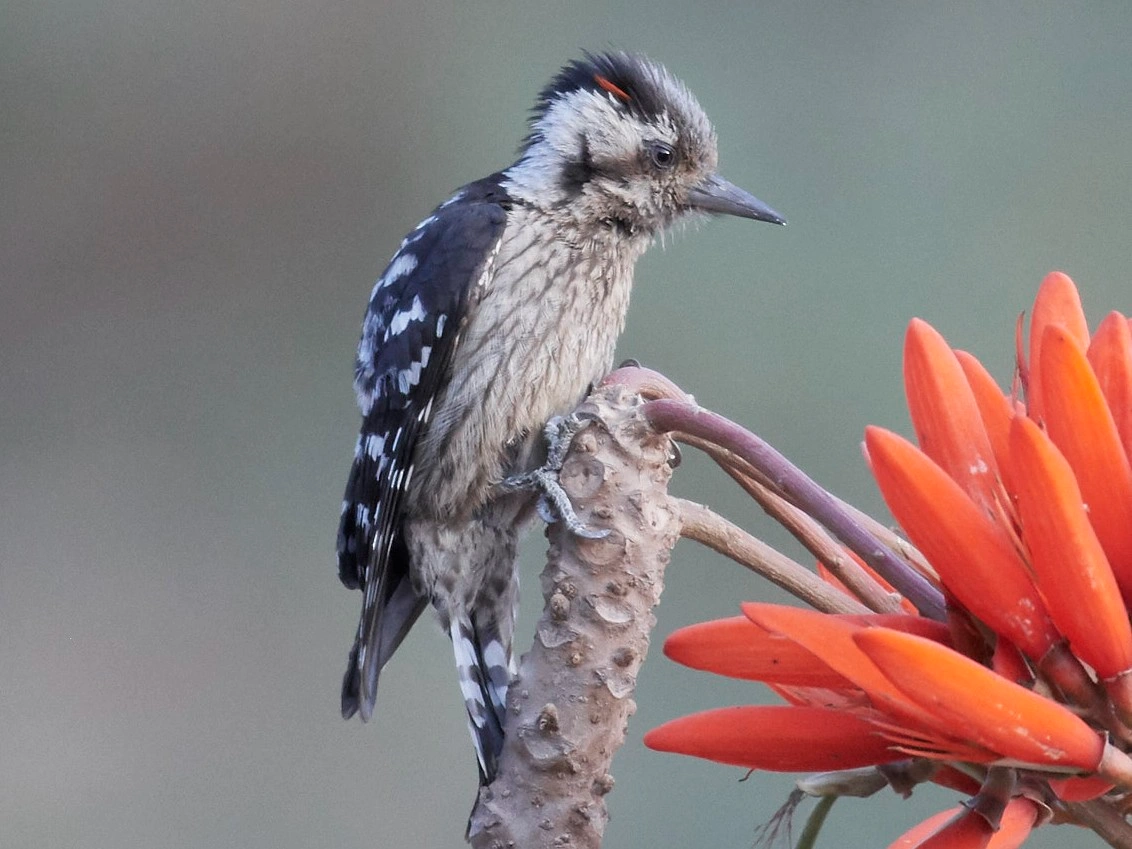
Gray-capped Pygmy Woodpecker
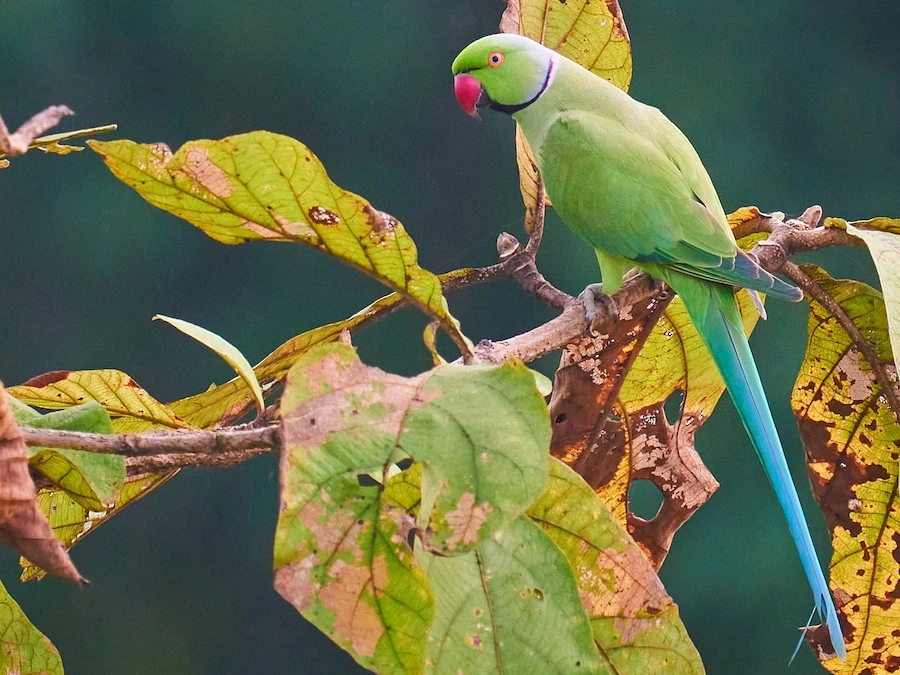
Rose-ringed Parakeet
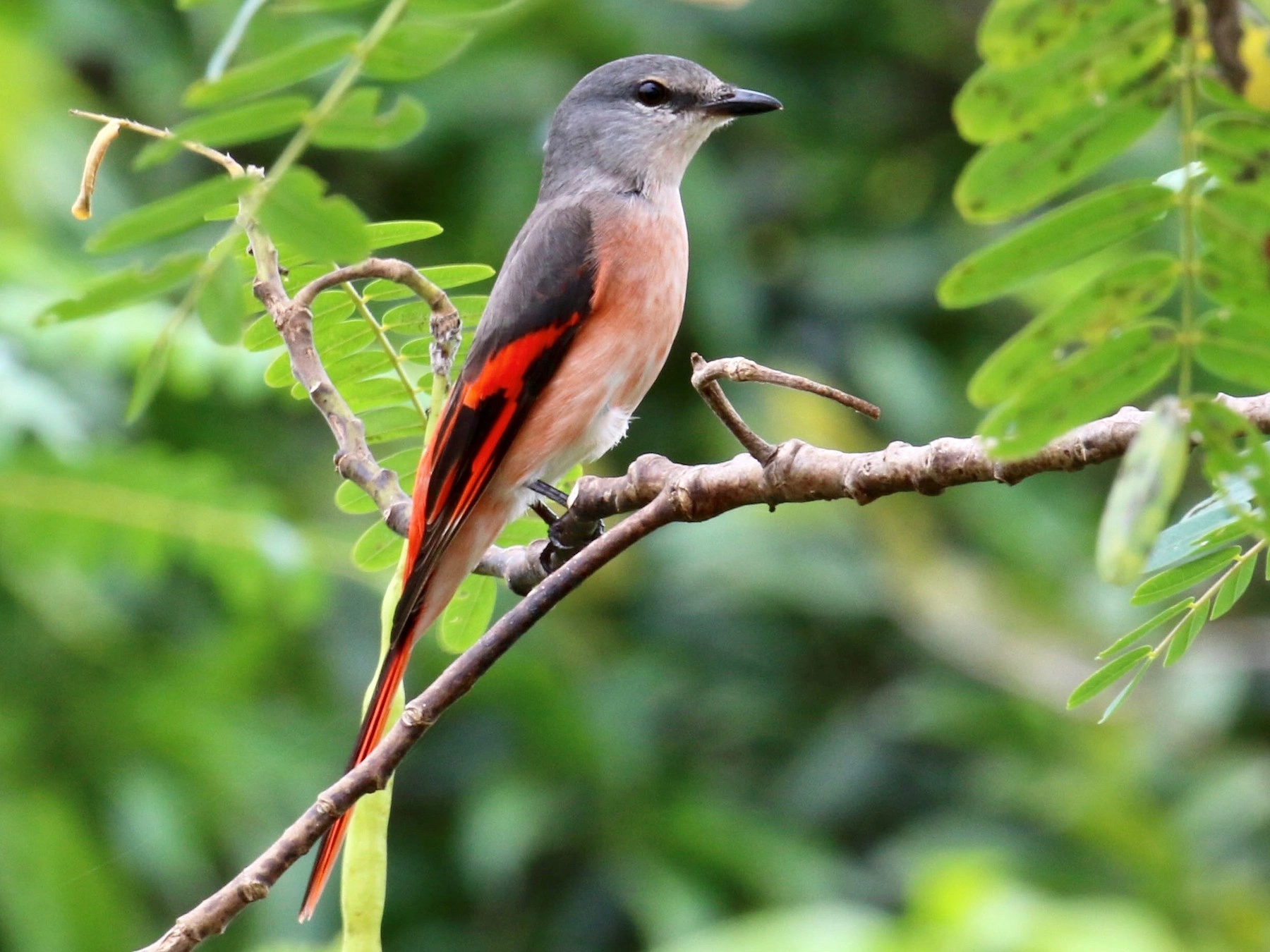
Rosy Minivet
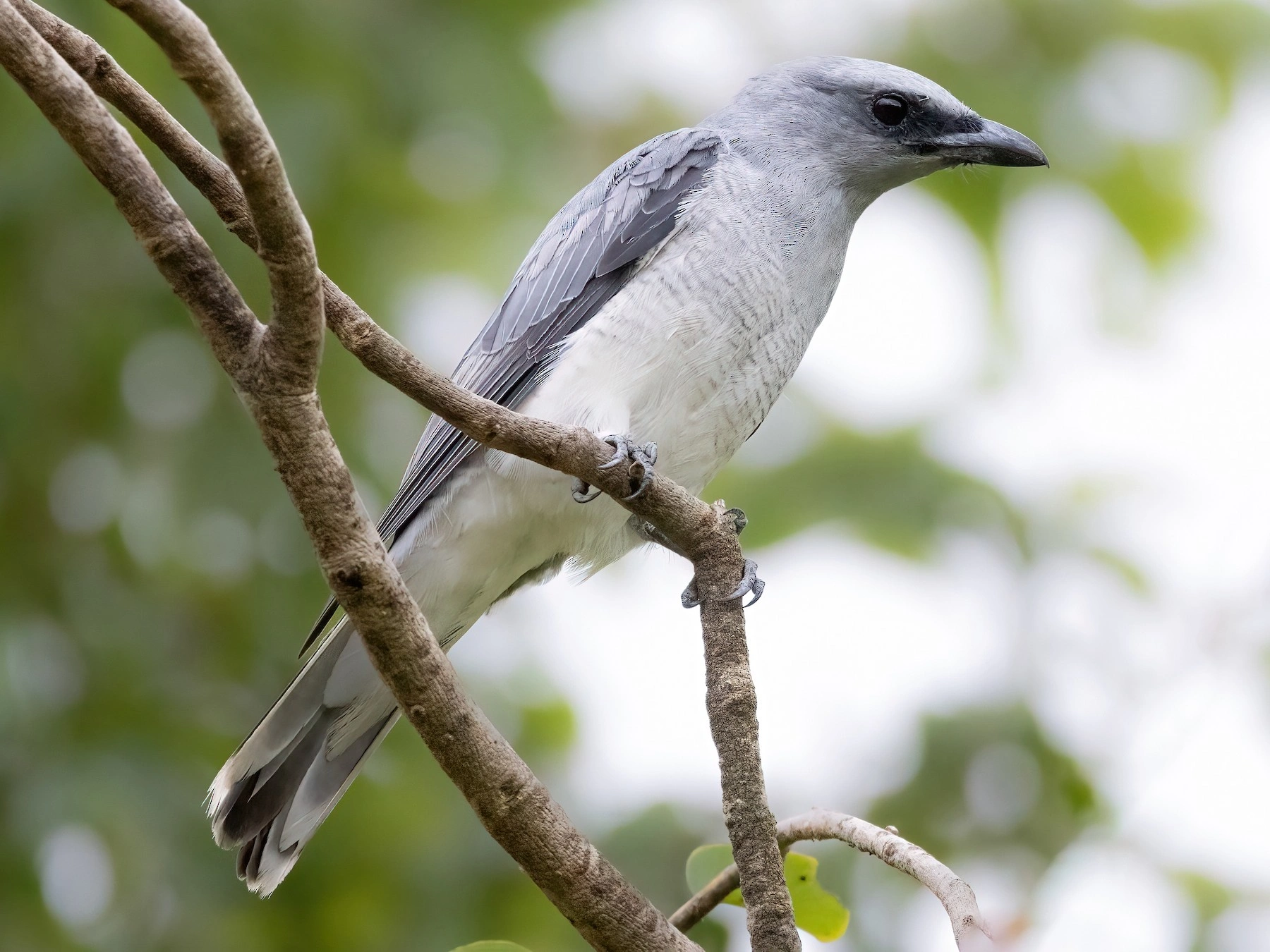
Indian Cuckooshrike
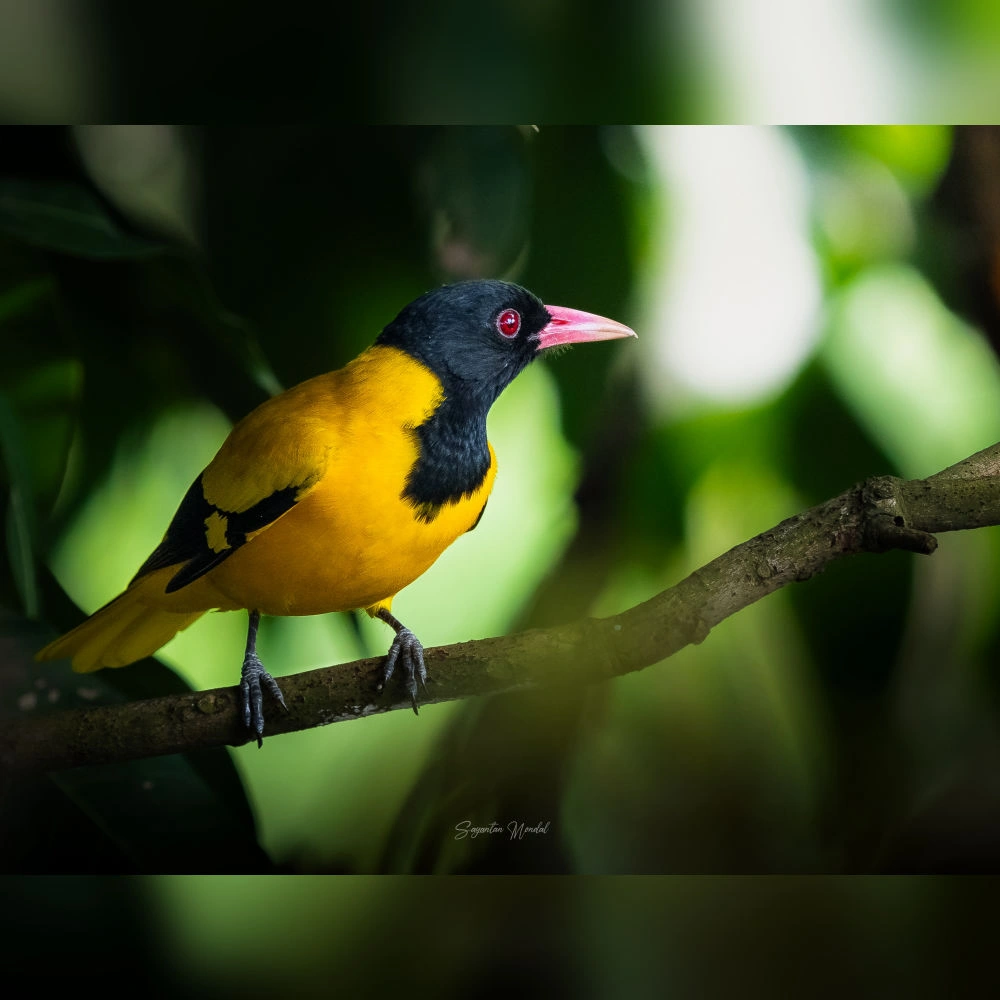
Black-hooded Oriole
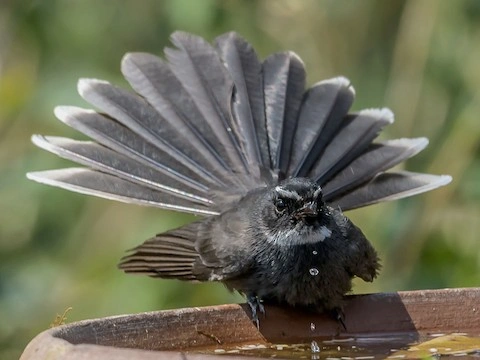
White-throated Fantail
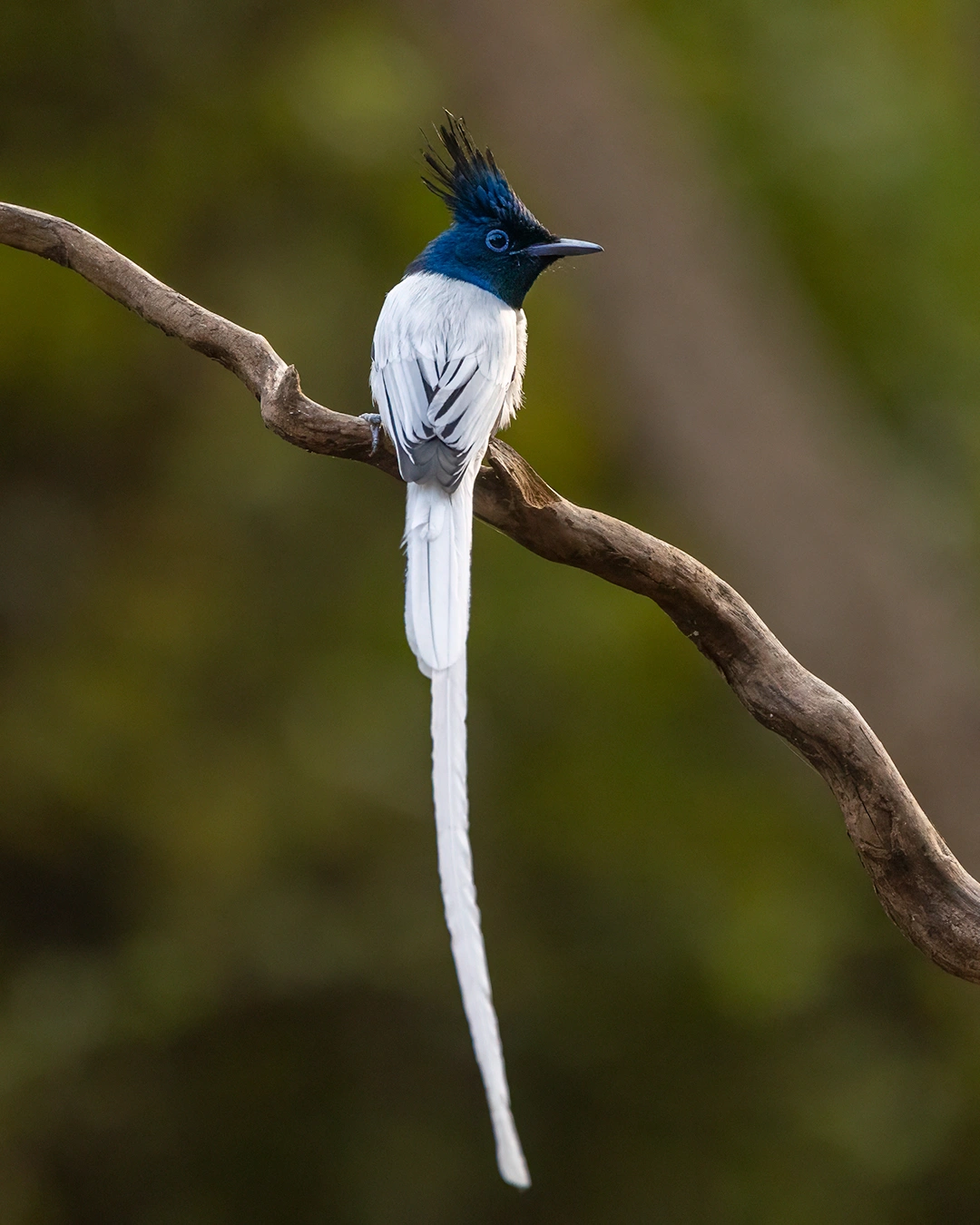
Indian Paradise Flycatcher
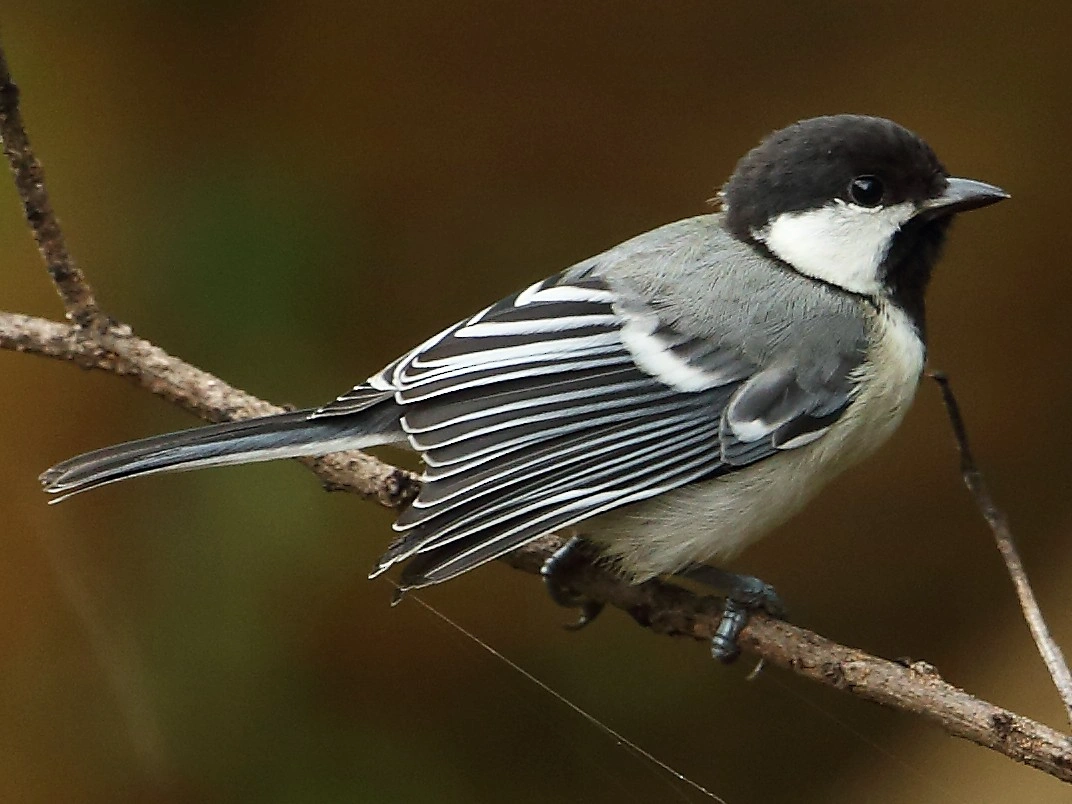
Asian Tit
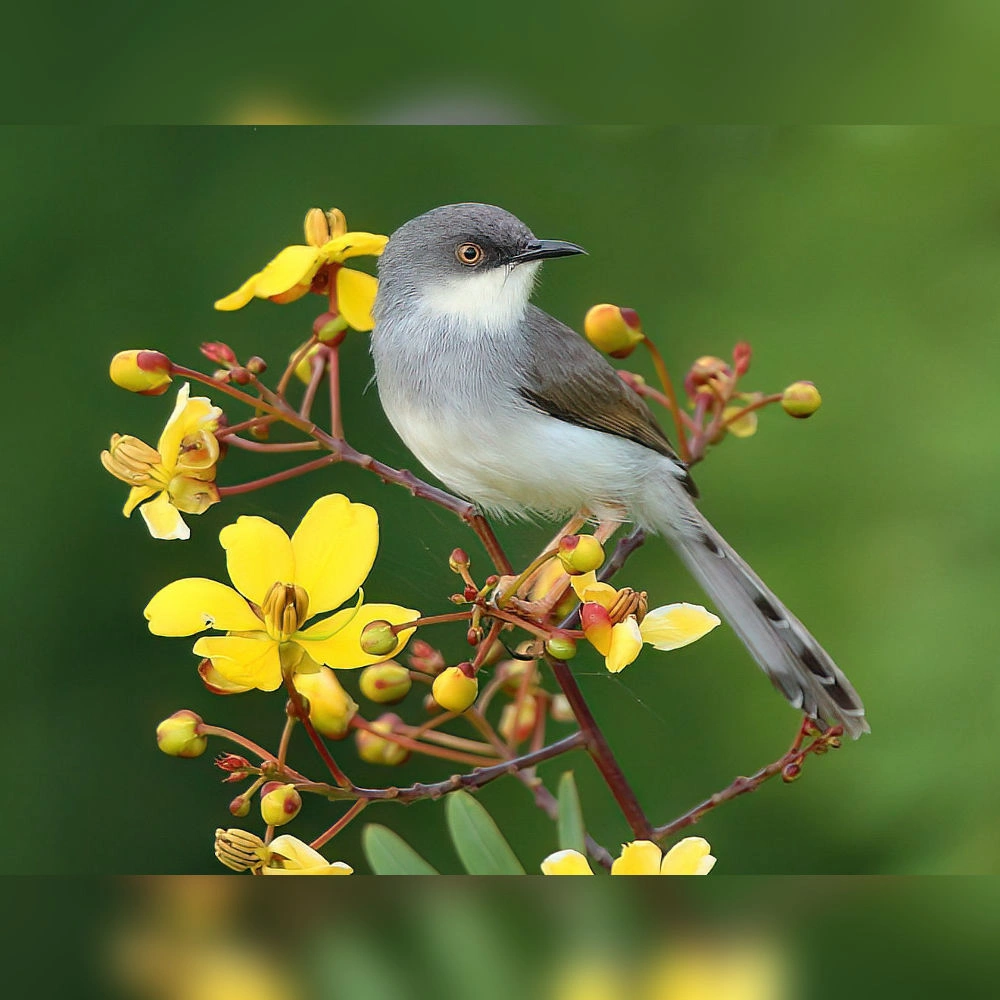
Gray-breasted Prinia
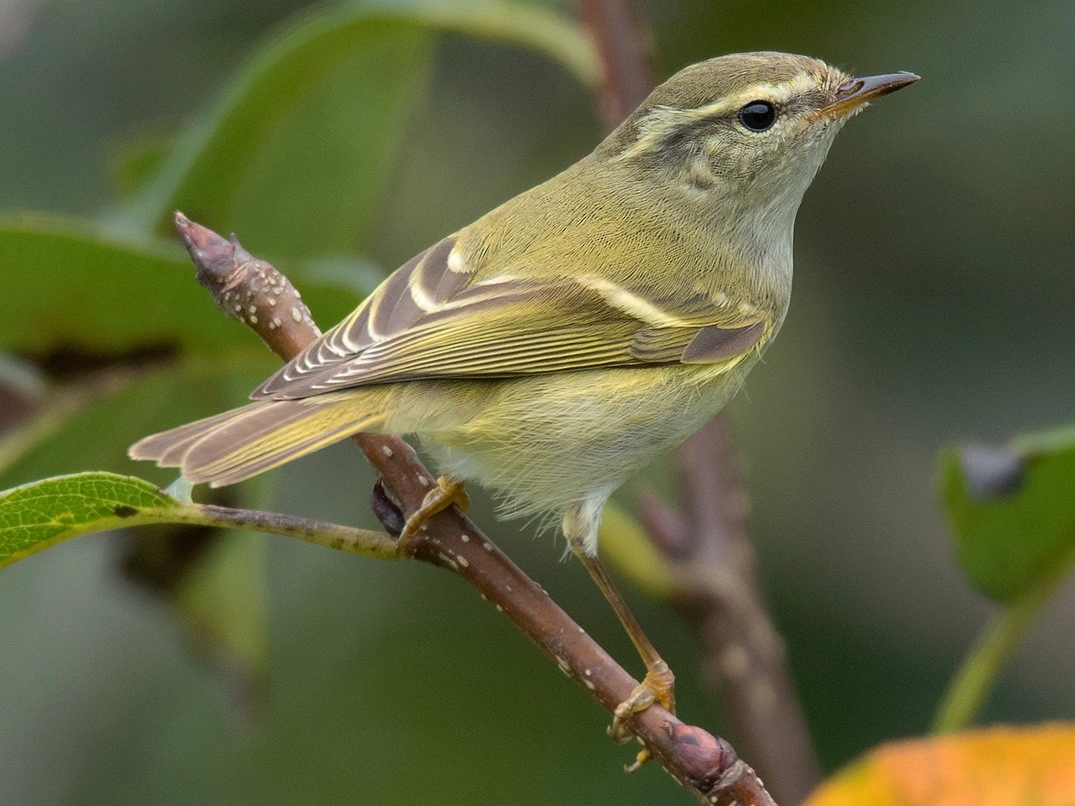
Hume’s Warbler
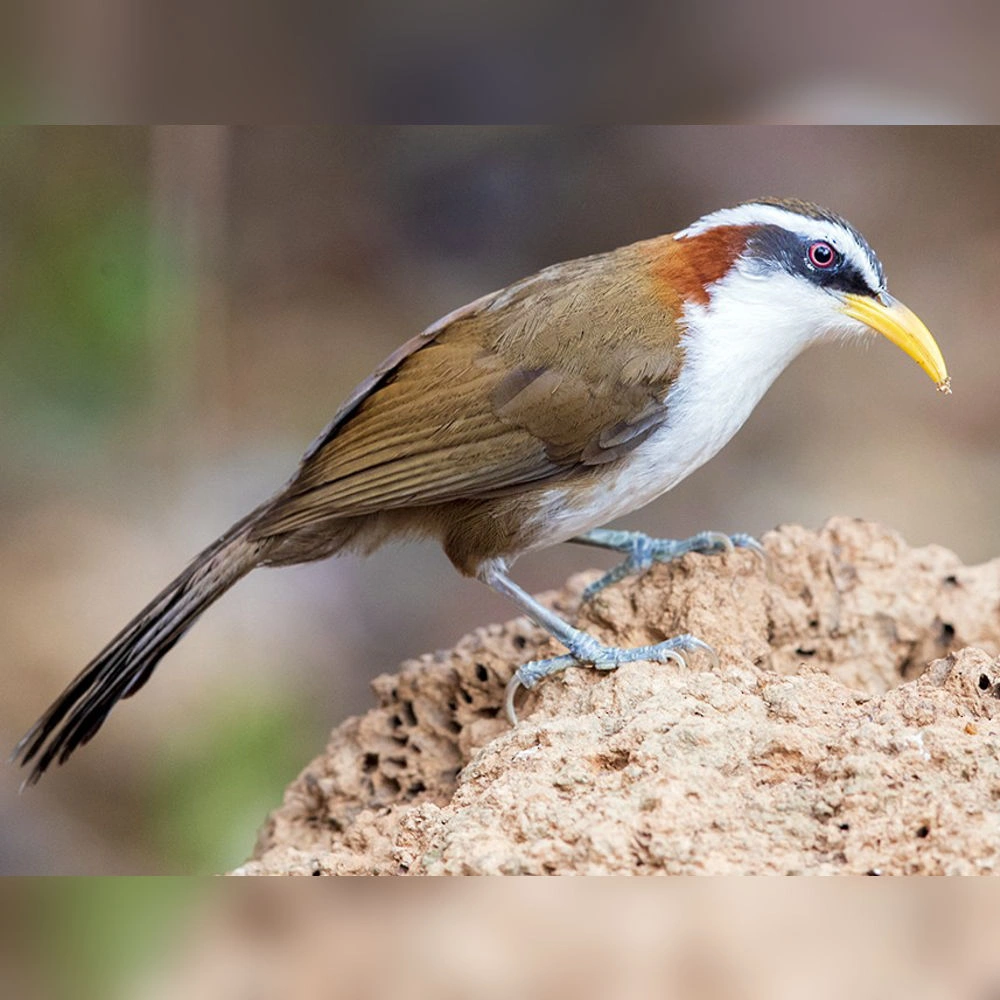
White-browed Scimitar Babbler
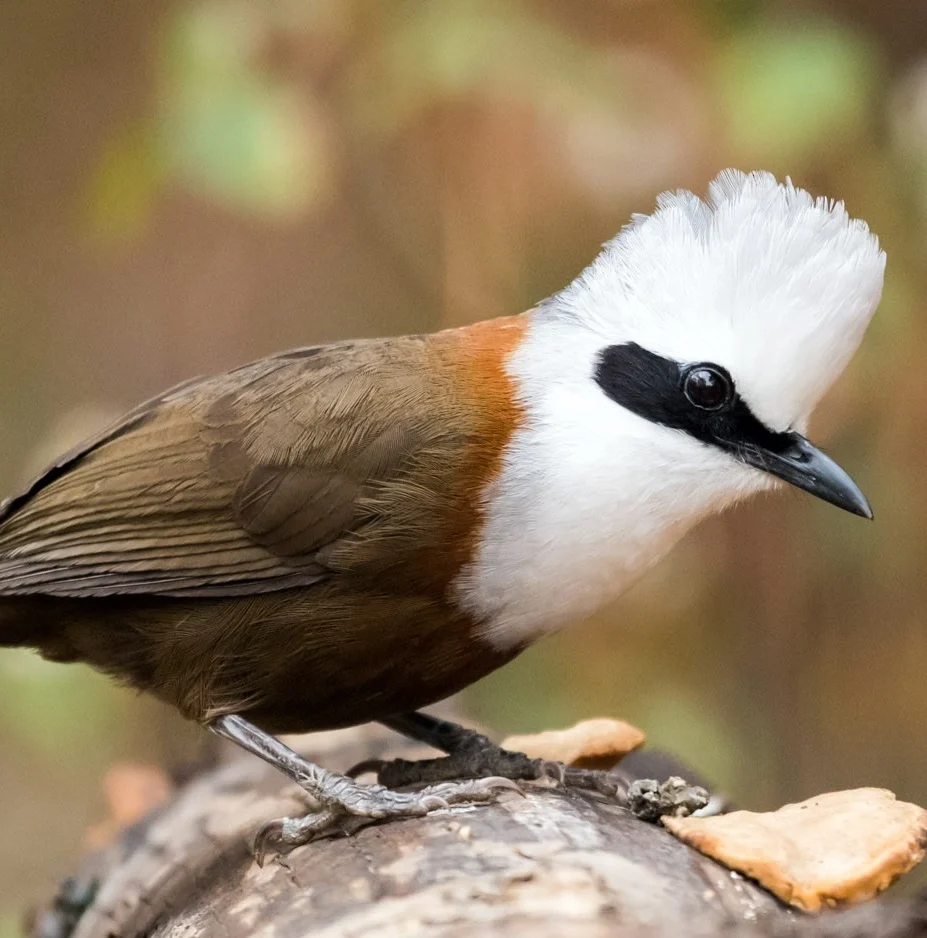
White-crested Laughingthrush
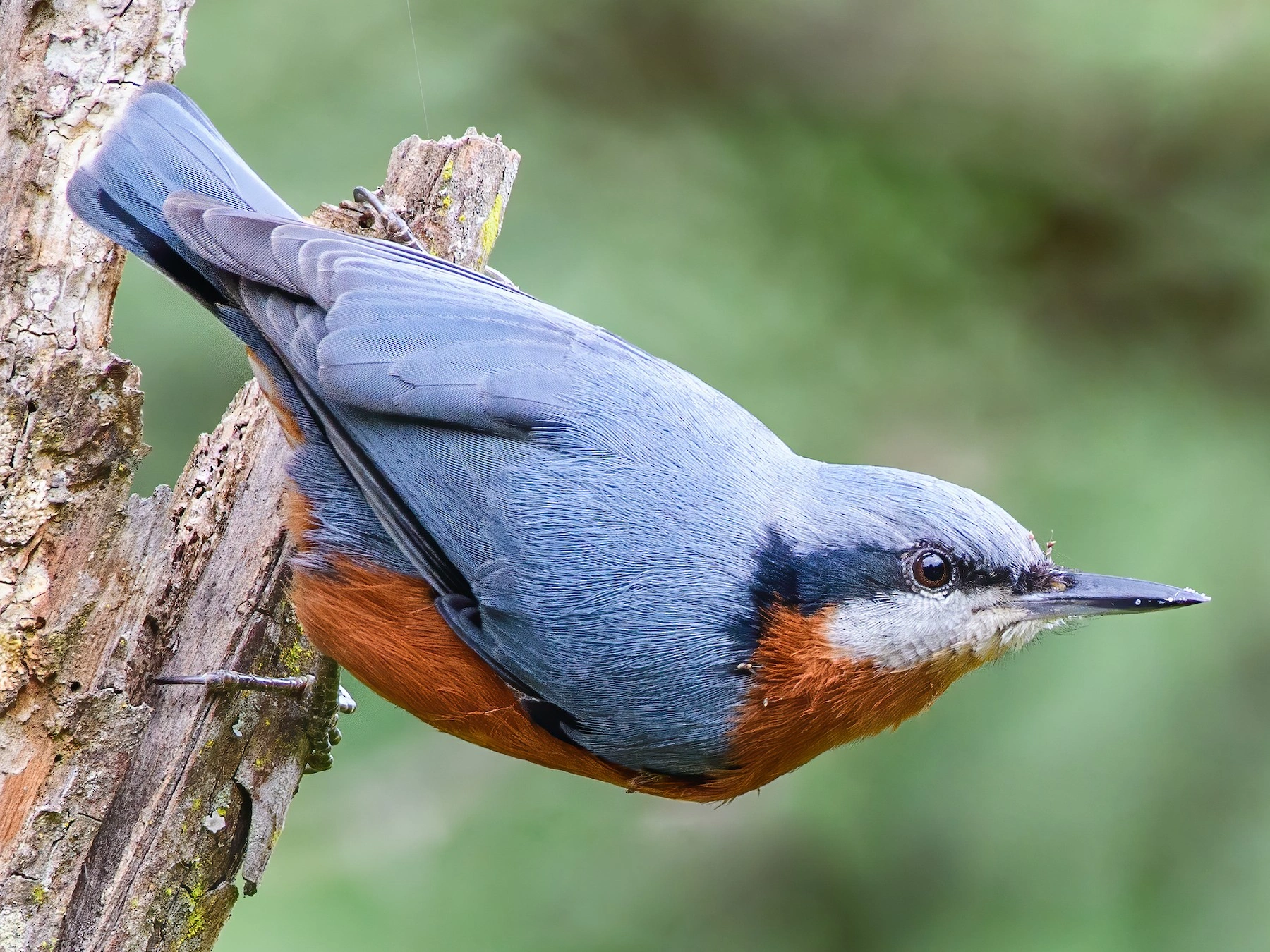
Chestnut-bellied Nuthatch
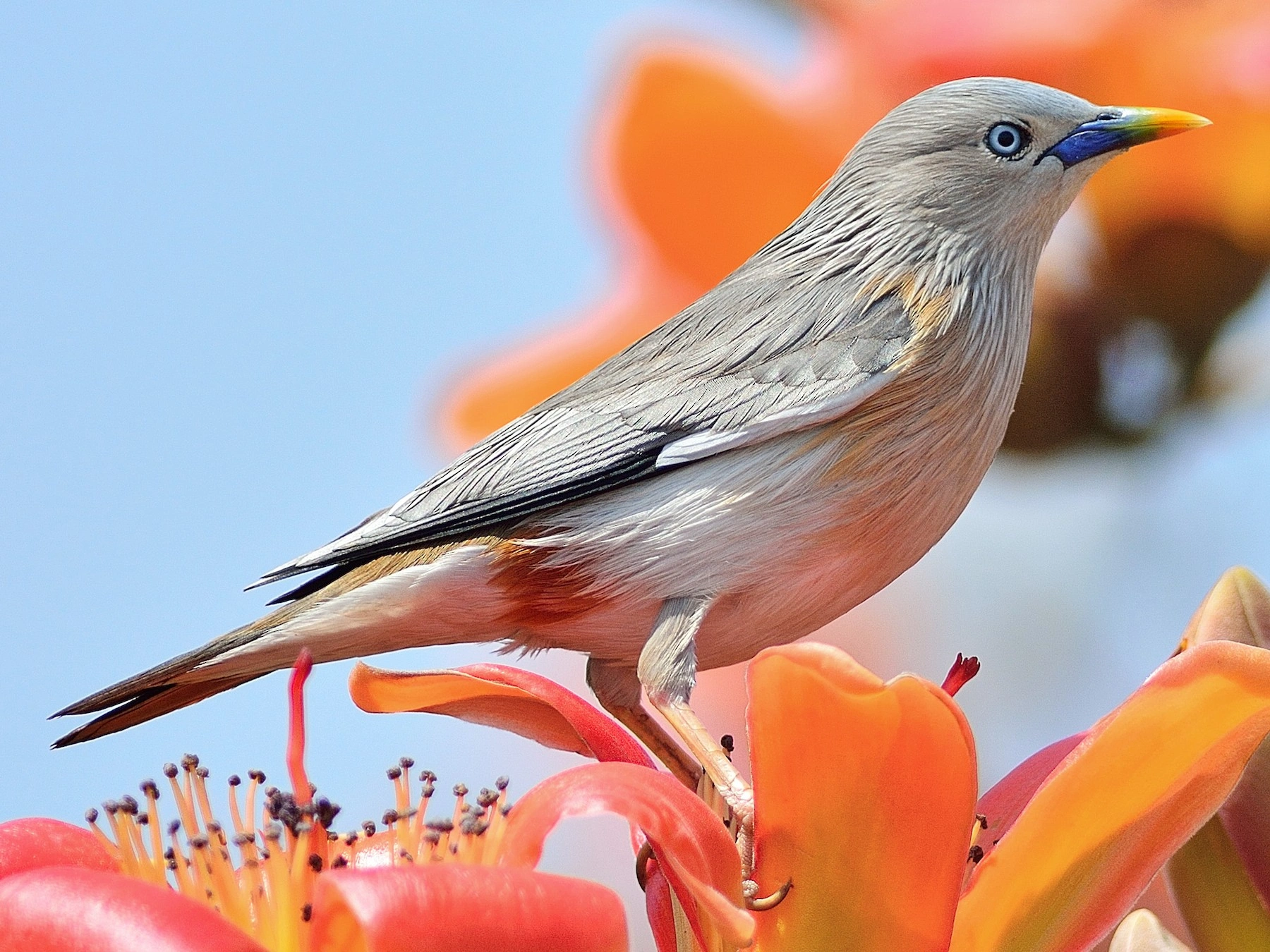
Chestnut-tailed Starling
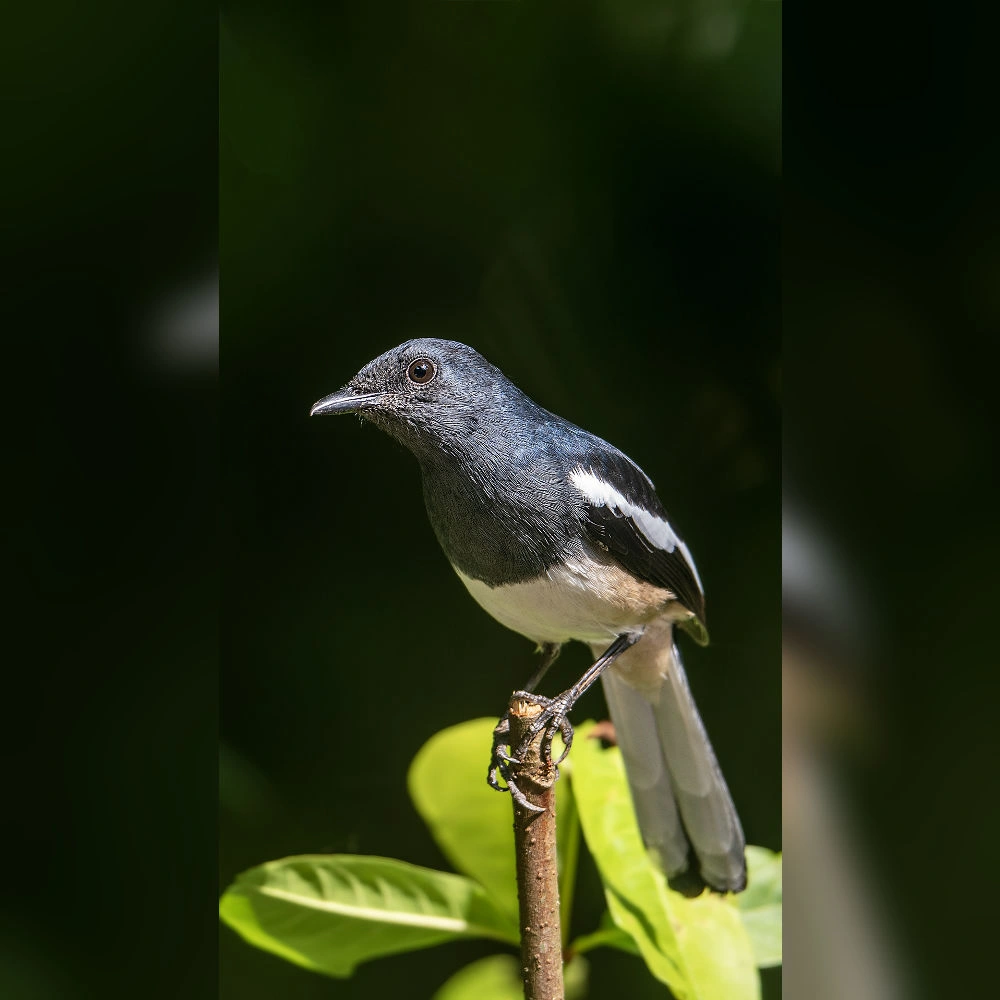
Oriental Magpie Robin
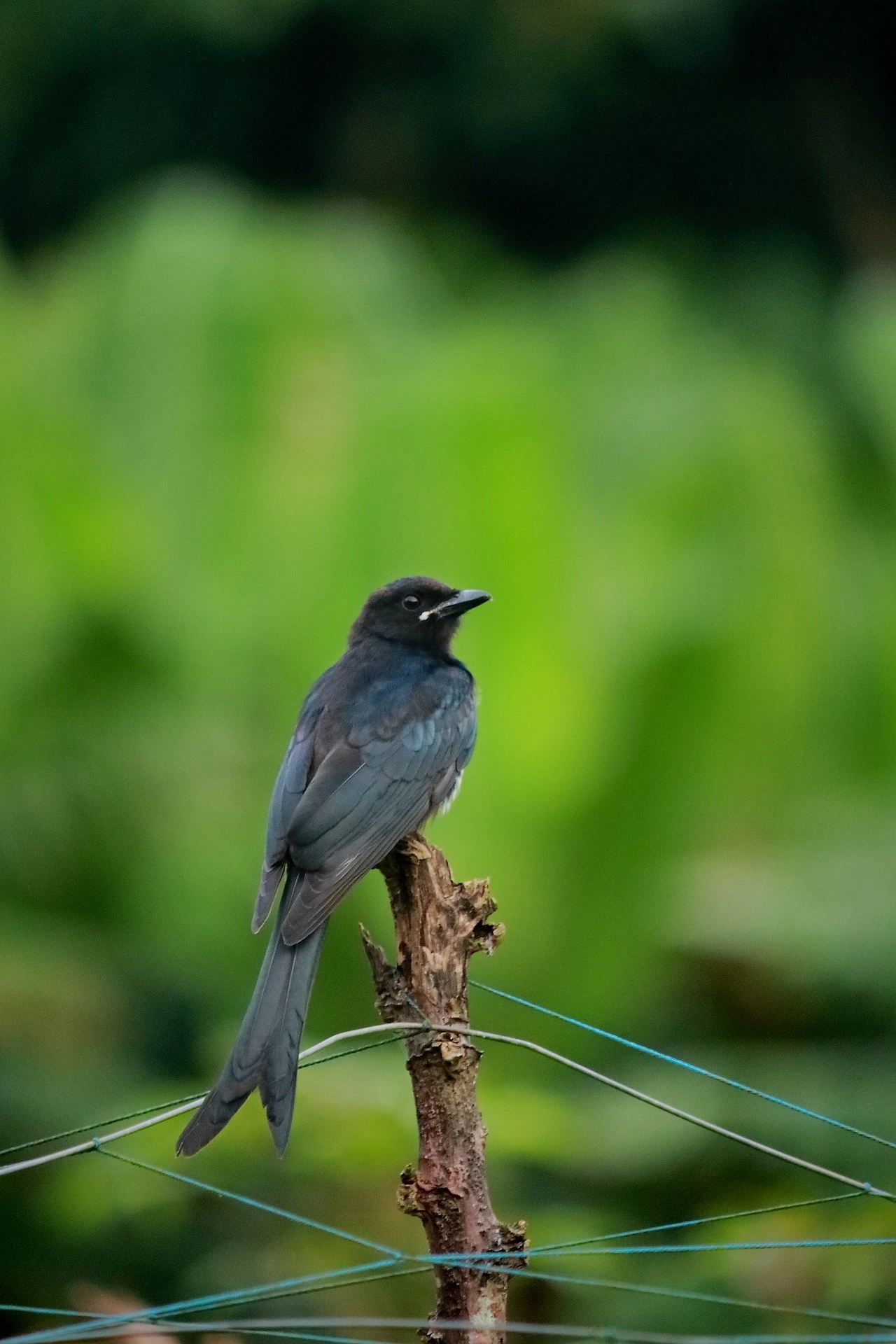
Ashy Drongo

- Fee collected goes entirely to the bird guide. Ataavi does not retain or profit from this amount.